
 Get Audio+
 Hot FM
 Kool 101
 Eight FM
 Fly FM
 Molek FM
Malaysian Scientists Turn Bedbugs into Crime Scene Spies
 Thirsty for JUICE content? Quench your cravings on our Facebook, Instagram, TikTok and WhatsApp
Malaysian scientists are turning bedbugs, one of the world’s most hated household pests, into crime-fighting “detectives” or “witnesses” of sorts.
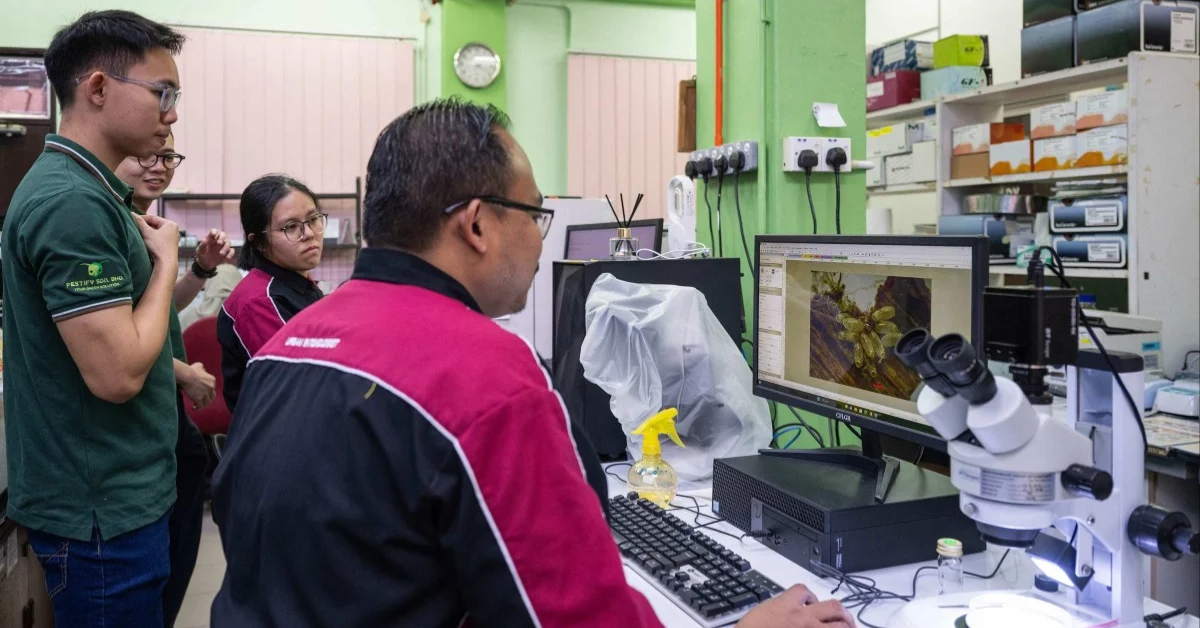
Researchers at Universiti Sains Malaysia (USM) in Penang have discovered that tropical bedbugs can retain human DNA for up to 45 days after feeding.
From a forensic POV, it’s almost a silver bullet
Bedbugs often hide in the dark crevices of headboards and in the tiny seams of mattresses, and they could actually help investigators identify both victims and suspects in a crime.
“We call bedbugs the musuh dalam selimut (Malay for ‘the enemy in the blanket’),” says entomologist Abdul Hafiz Ab Majid. “They can also be spies.”
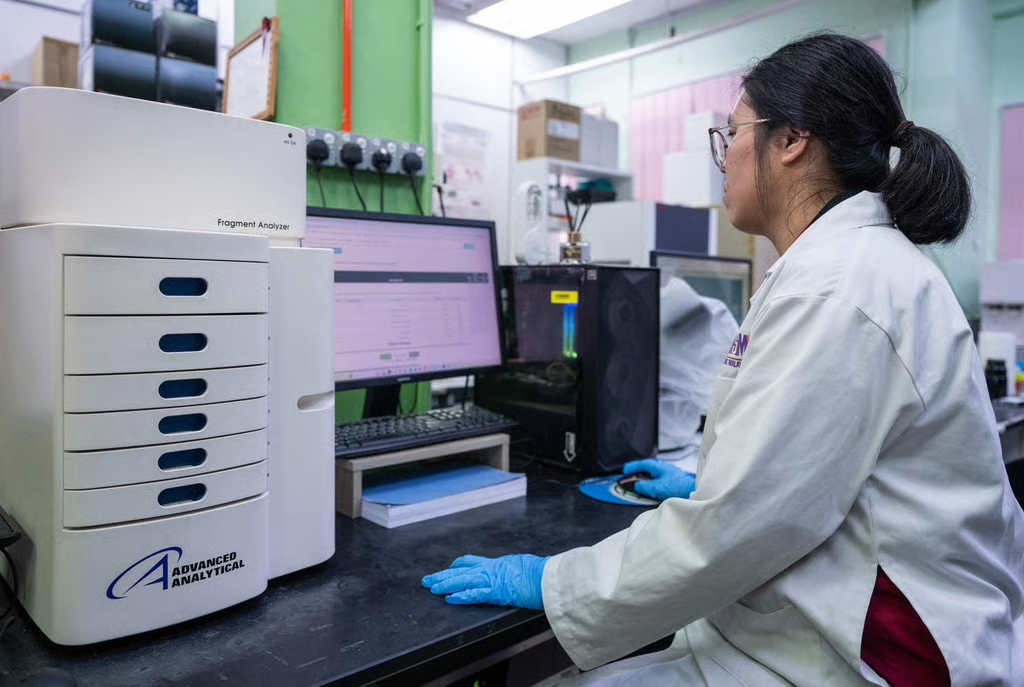
Using STR and SNP markers to analyse blood found inside the insects, scientists can extract what’s known as “phenotypic profiling”, which identifies observable traits like gender, eye colour, hair colour, and skin tone.
Making the discovery even more promising is the fact that bedbugs are rather sluggish after feeding, which means they won’t leave the site of their last meal very soon. And even if they do, they don’t go very far. Usually they move within a six-metre radius of their last bite.
“That’s what makes them unique. We can say they are perfect to use as a forensic tool compared to mosquitoes that fly away,” Hafiz explained.
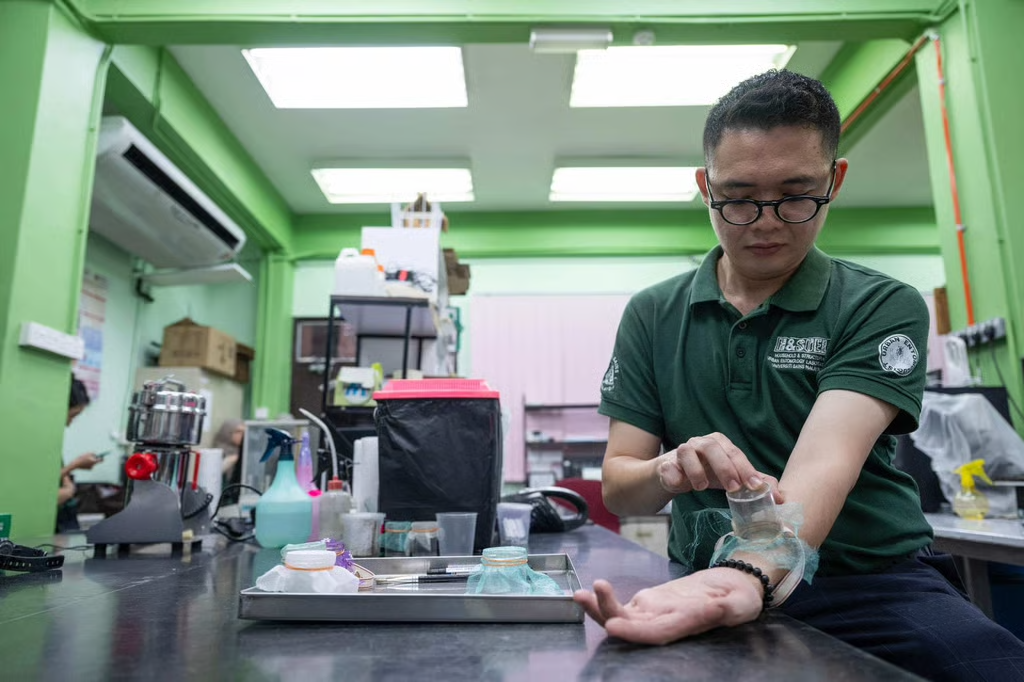
Postdoctoral researcher Lim Li has even offered her own body for this experiment, letting bedbugs feed on her blood to test how long it would take human DNA to degrade. But she also thinks the insects are misunderstood, stressing that “even if you get bitten, they can’t transmit diseases to you”.
The real world potential is exciting: crime scene investigators could treat bedbugs as living evidence to a certain extent, offering important clues when other biological traces are unavailable. This could be especially useful in violent crimes or in identifying unknown victims.
It isn’t a 100% foolproof solution, though. As mentioned before, bedbugs can only hold human DNA in their bodies for up to 45 days. Investigations often take much, much longer than that. Plus, you’d have to rely on the chance of there being bedbugs at the crime scene, which isn’t such a feasible practice.
But before this method can be put to use in real-world investigations, more research needs to be done to refine DNA extraction techniques and improve reliability across different environments.
For more news, head to JUICE Malaysia.

Read more:

Alpro Pharmacy Launches Free Medication Programme For Flood Victims
Those who have lost their prescriptions can use Alpro ePharmacy for free online consultation and e-prescription services to receive their medications.

Mom’s Displeasure Over Son’s Haircut Leads Entire Salon Team To Go Bald In Remorse
He also explained that one manager even had to attend a wedding completely bald and another one of them would even be getting married at the end of the month.

Oxford Uni Fails To Name Indonesian Researchers in Rare Rafflesia Discovery
Their exclusion betrays decades of field knowledge and dedication, without which none of this would have been possible in the first place.