
 Get Audio+
 Hot FM
 Kool 101
 Eight FM
 Fly FM
 Molek FM
The Shadows Are Speaking Again
 Thirsty for JUICE content? Quench your cravings on our Facebook, Instagram, TikTok and WhatsApp
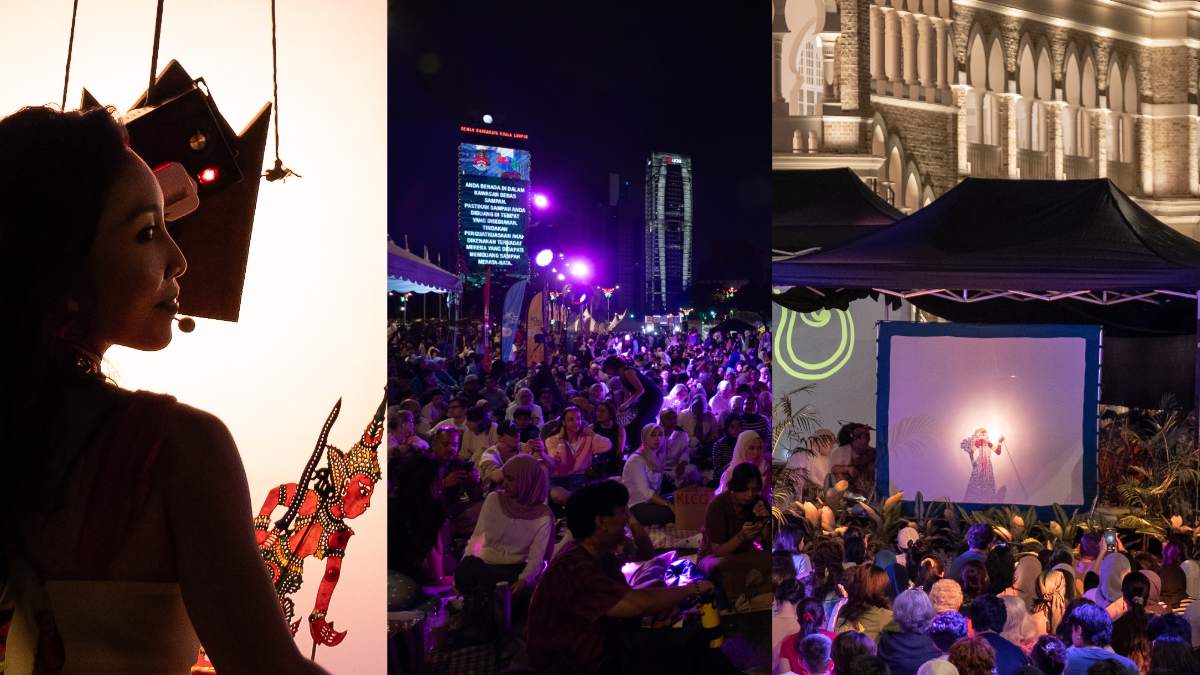
Wayang kulit doesn’t need saving because people don’t care. It needs saving because people don’t see it.
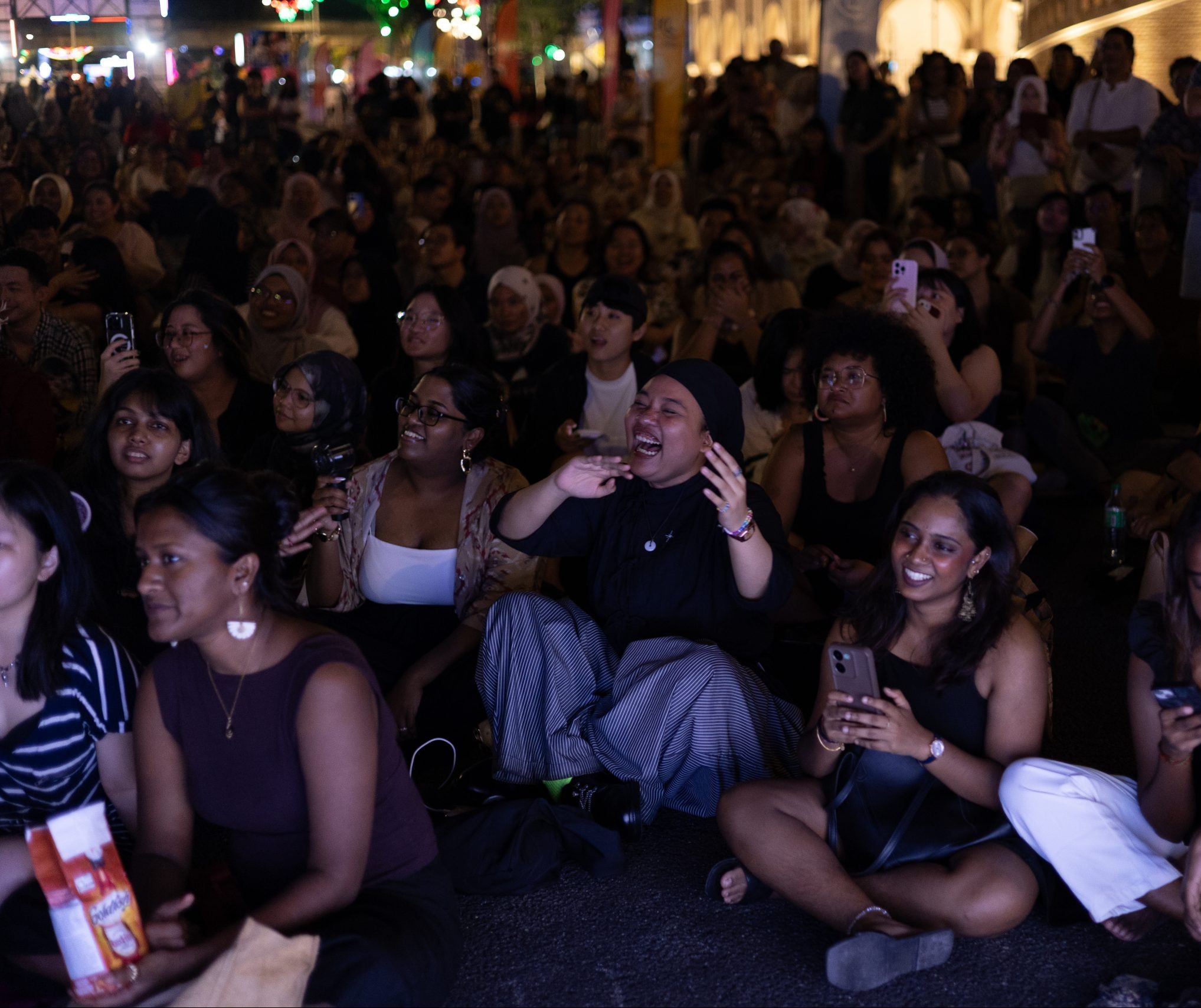
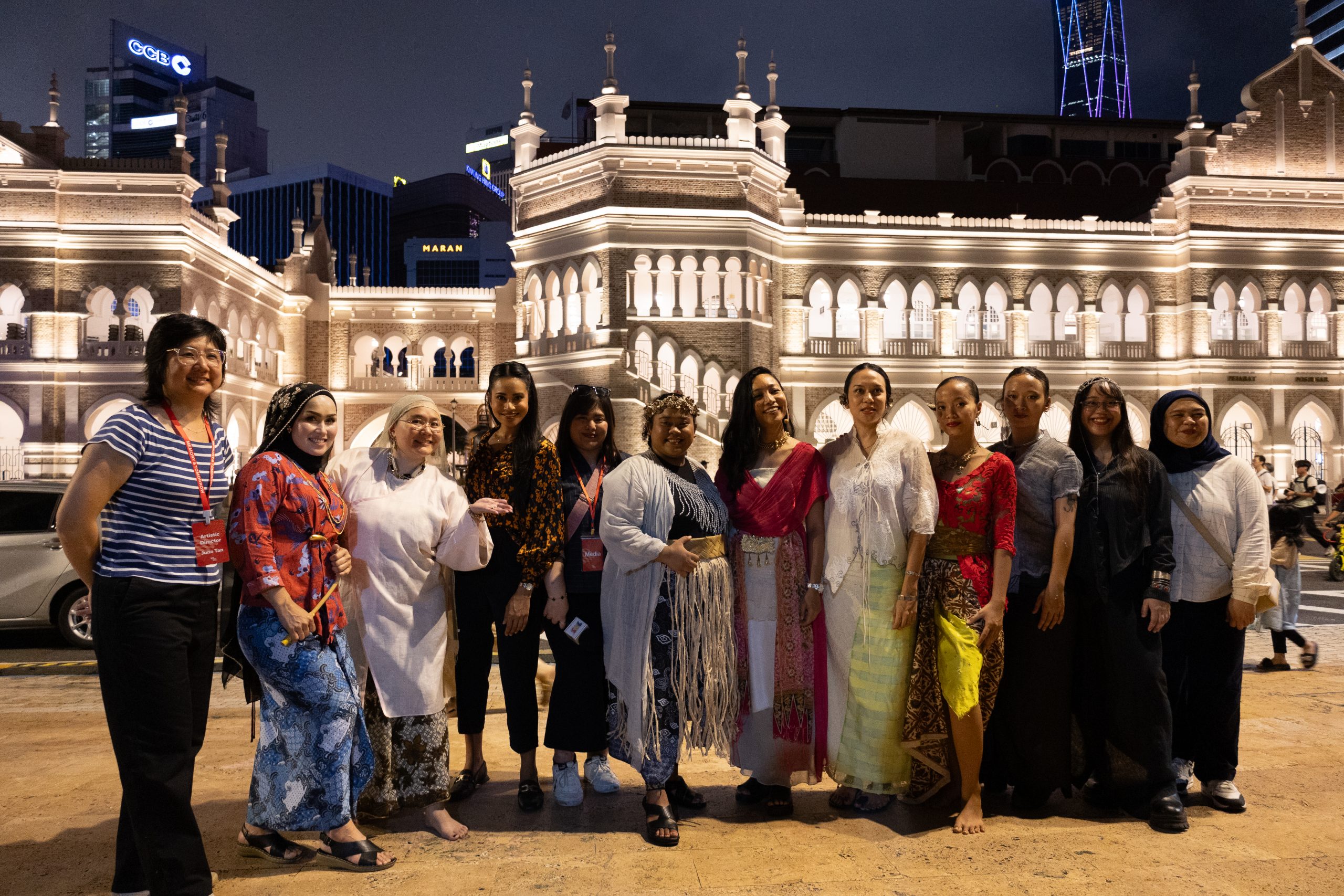
Thousands of people packed into Dataran Merdeka on a Friday night.
They laughed, booed, and gasped at ghosts.
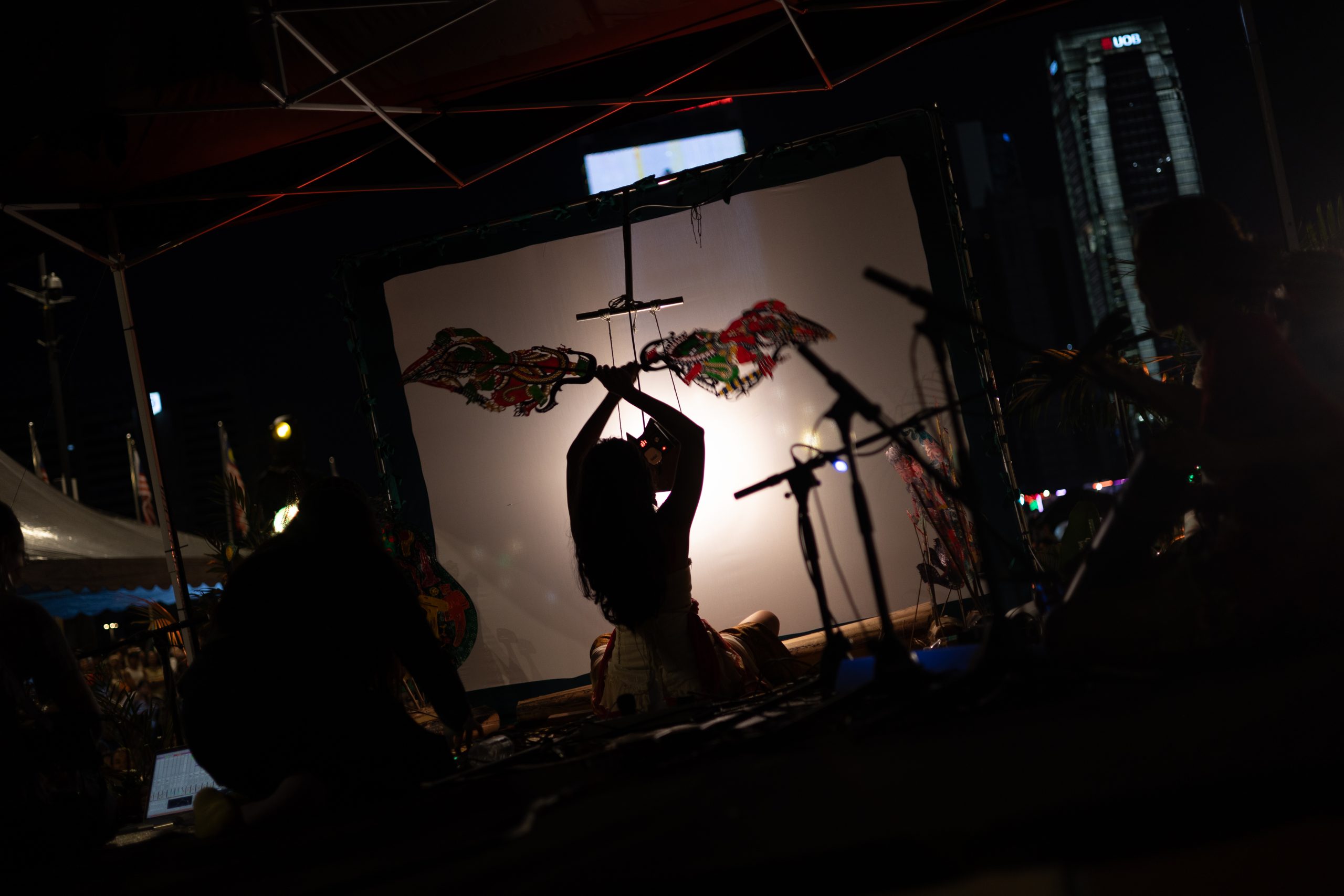
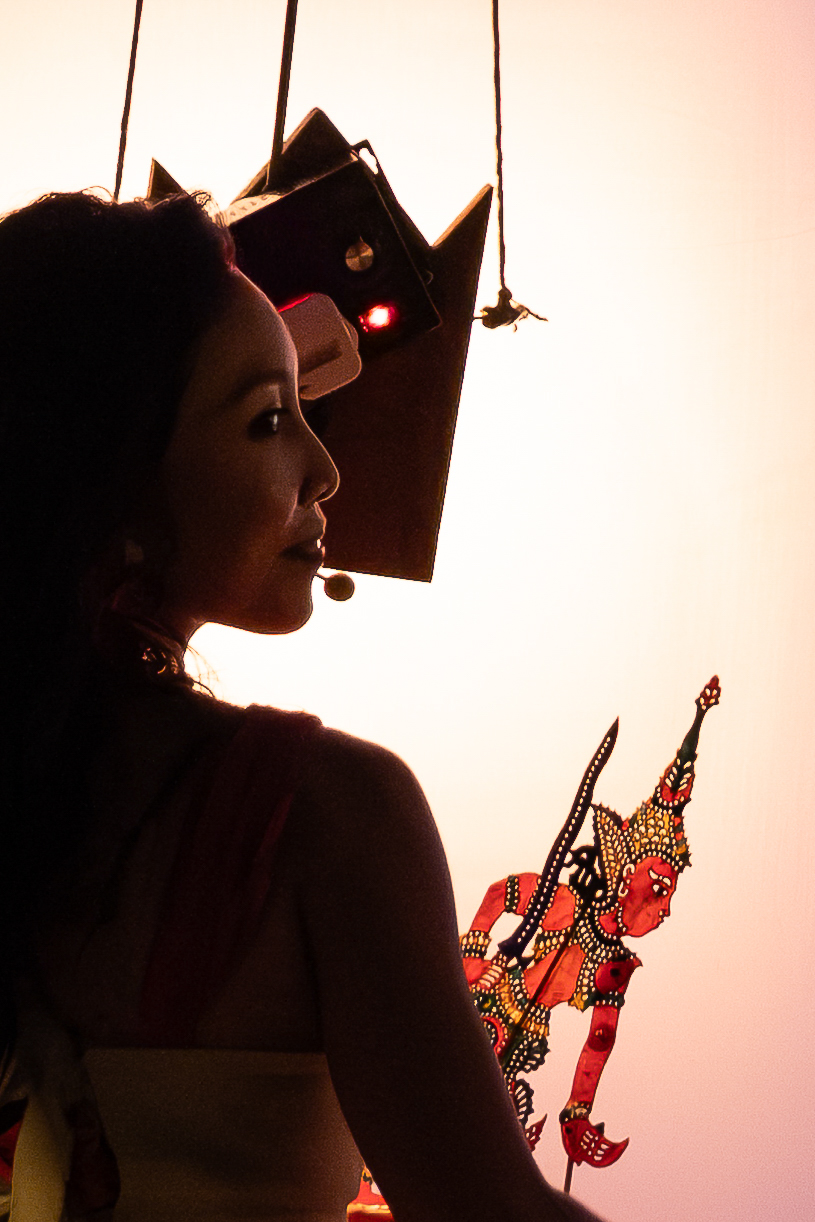
Behind the glowing screen, hidden from view, Wayang Women founder and puppeteer Illya Sumanto was trying not to panic.
“It felt like it was a Sudirman Chow Kit Road moment for me,” she says.
The crowd had gathered to watch Wayang Women, an all-female Southeast Asian shadow puppetry collective that has become known for reimagining traditional wayang kulit through folklore, contemporary themes, and experimental soundscapes.
For Illya, the response was overwhelming.
Every performance begins with a familiar ritual. When performer Tigra Rose sings ‘Penambogo’, a traditional opening song from Malang, Illya usually cries.
On that night, however, the tears never came. Instead, she repeated a mantra she teaches her students.
“I trust myself. I trust that I am talented. I am kind to myself and others. Whatever I do, I always have fun.”
“I always have fun. I always have fun. I always have fun.”
Then the show began. “And I HAD FUN.”
What happened that night wasn’t just a successful performance. It challenged one of the biggest assumptions surrounding wayang kulit in Malaysia.
That people aren’t interested.
You can’t preserve what you can’t see
Illya describes wayang kulit as “critically endangered”. Yet when given the opportunity to experience it, thousands showed up. That contradiction sits at the heart of the art form’s current predicament.
People often speak about preserving wayang kulit. But preservation doesn’t happen in isolation. It requires visibility, access, and opportunities for new generations to learn.
“People often talk about preserving wayang kulit, but preservation requires visibility.”
Many Malaysians assume wayang kulit will always exist because it forms part of the country’s cultural identity. Few realise how small the community of practitioners has become, with many concentrated in Kelantan and belonging to an ageing generation.
The issue, Illya argues, is not a lack of interest. If anything, the Dataran Merdeka performance proved the opposite.
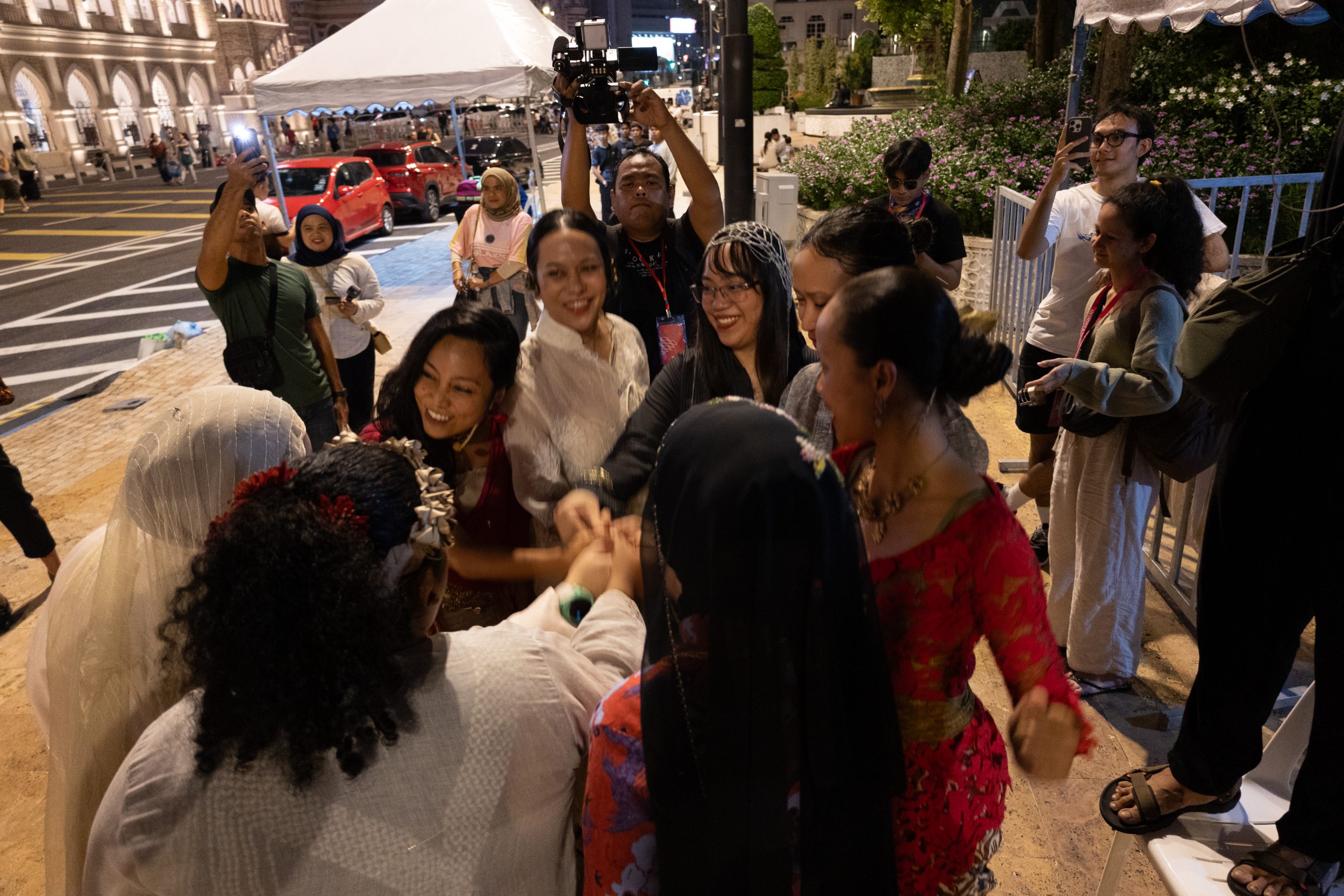
Backstage after the show, a young boy approached her and asked if he could touch the puppets. Moments later, he was already playing with them.
His parents told her he was obsessed with wayang kulit. He knew the names of Kelantanese wayang characters and wanted to learn more.
“But they didn’t know where to send him,” she recalls. That stayed with her.

For Illya, that encounter illustrates the real challenge facing the tradition today. The passion and curiosity exists. What is often missing are clear pathways for people to learn.
She believes greater visibility can help create those pathways, whether through schools, public institutions, community programmes or more opportunities for practitioners to teach.
“If there are platforms given to practitioners to teach in schools, the preservation process could expedite.”
While many of Malaysia’s remaining practitioners are based in Kelantan, she believes audiences in Kuala Lumpur may be particularly receptive because arts and cultural engagement are often more actively encouraged in the city.
The challenge now is turning curiosity into participation. Not just getting people to watch wayang kulit, but ensuring they know where and how to learn it.
Why Kuala Lumpur got it
The Dataran Merdeka performance was not the first time Wayang Women staged the production. The troupe had already performed it elsewhere before bringing it to Kuala Lumpur.
But something felt different.
“I didn’t realise how strongly the show would resonate with a KL audience,” Illya says.
“Looking back, it makes sense because I am one of them.”
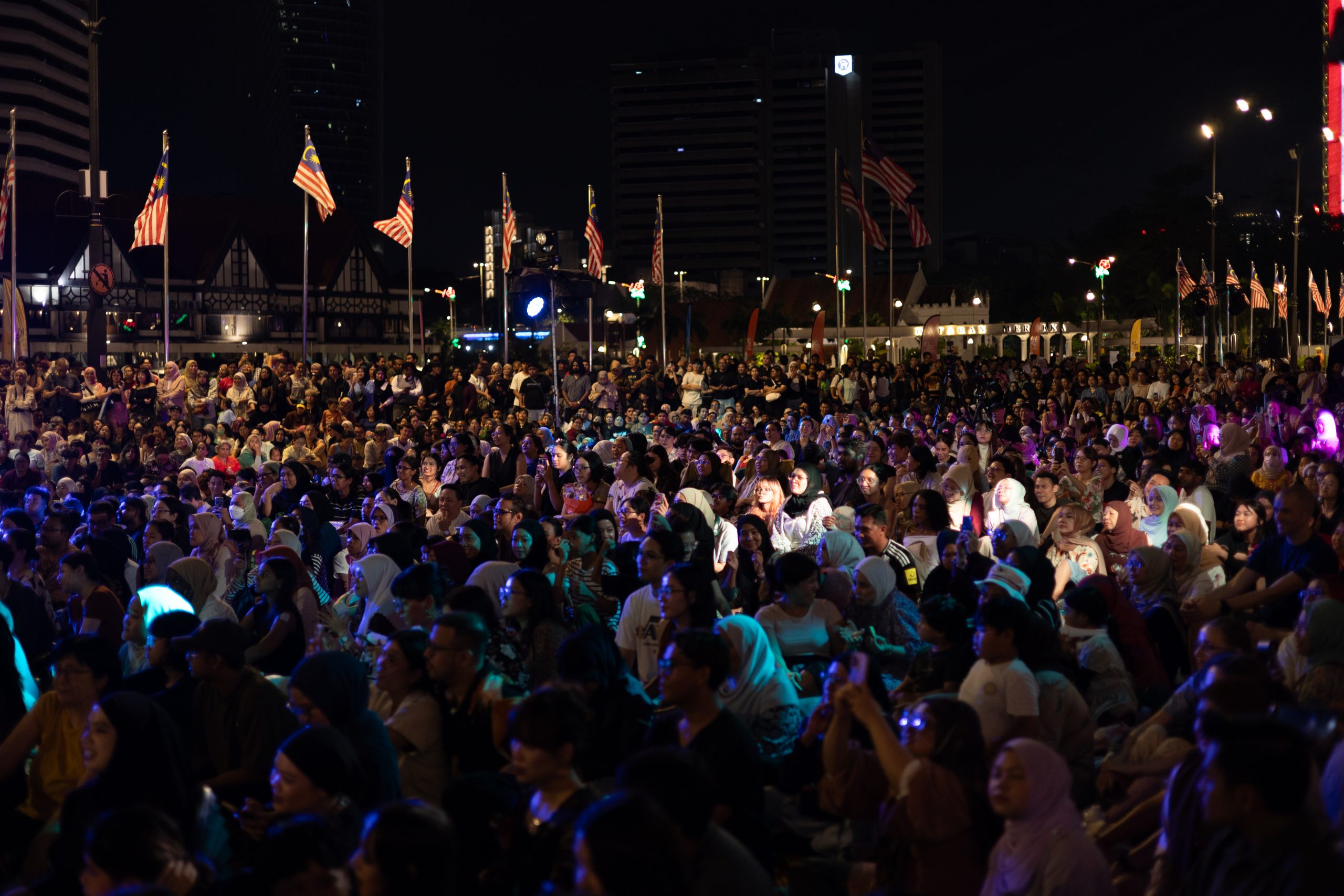
The performance drew heavily from urban anxieties, folklore, humour, and cultural references that seemed to strike a particularly deep chord with the capital’s audience.
As thousands reacted together, laughing, booing, and responding to moments throughout the performance, the energy backstage became infectious.
“We were on fire.”
It was another reminder that traditional art forms are not frozen artefacts. When presented in a way that feels relevant, audiences respond.
The ghosts that haunt Southeast Asia
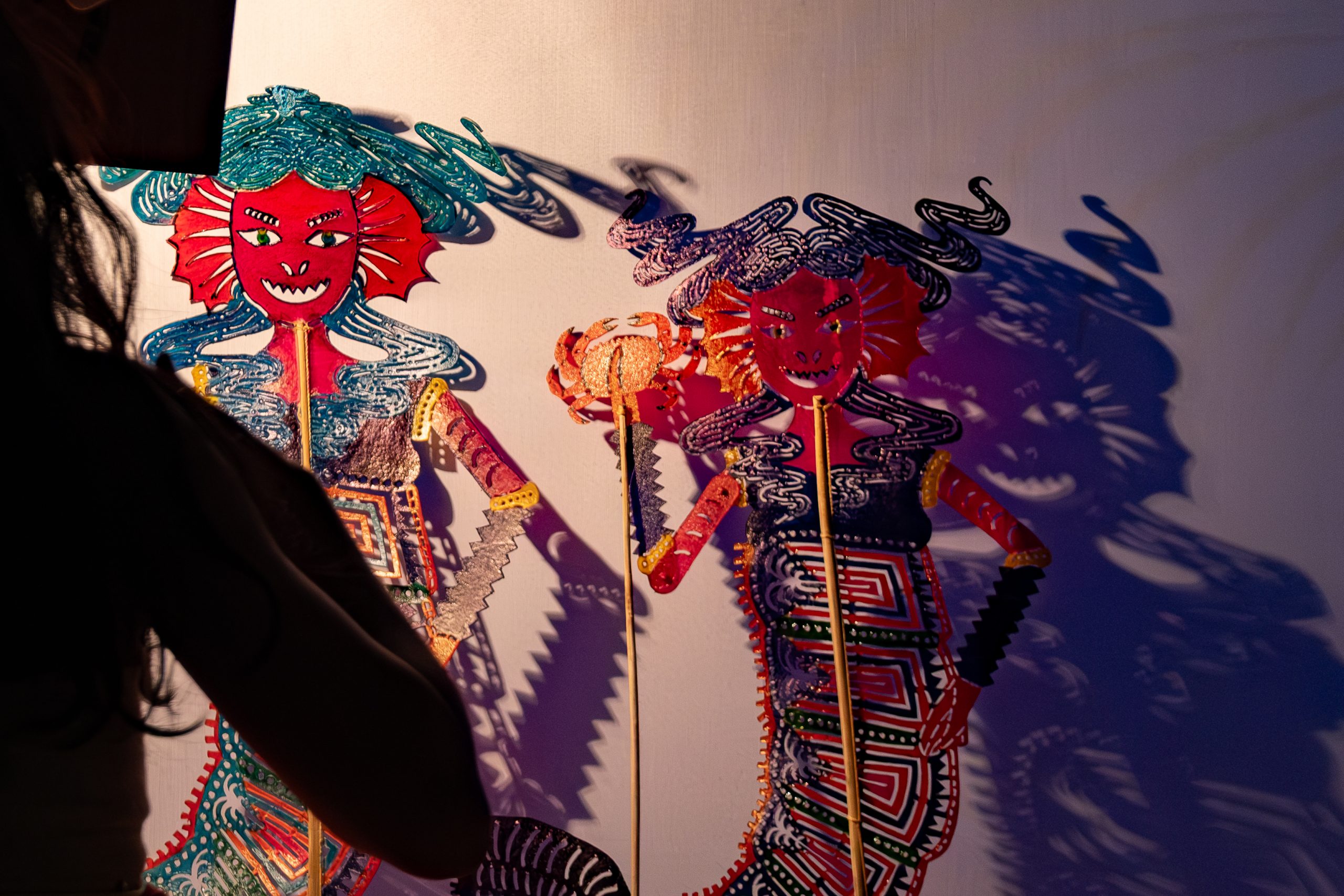
Wayang Women’s latest production centres on ghost stories from across the region.
For Illya, that fascination started early. During Ramadan visits to her grandmother’s kampung, she would sneak away from Terawih prayers to exchange ghost stories with friends.
Later, as part of Poetry Cafe KL, she performed poetry while dressed as ghosts and witches.
Over time, a pattern emerged: Many of Southeast Asia’s most famous supernatural figures are women.
Working alongside performers from across the region only reinforced that observation.
“Penanggal exists in all Southeast Asian countries,” she says. “Just with different names.”
She jokes that the floating female spirit might actually be the mascot of ASEAN.
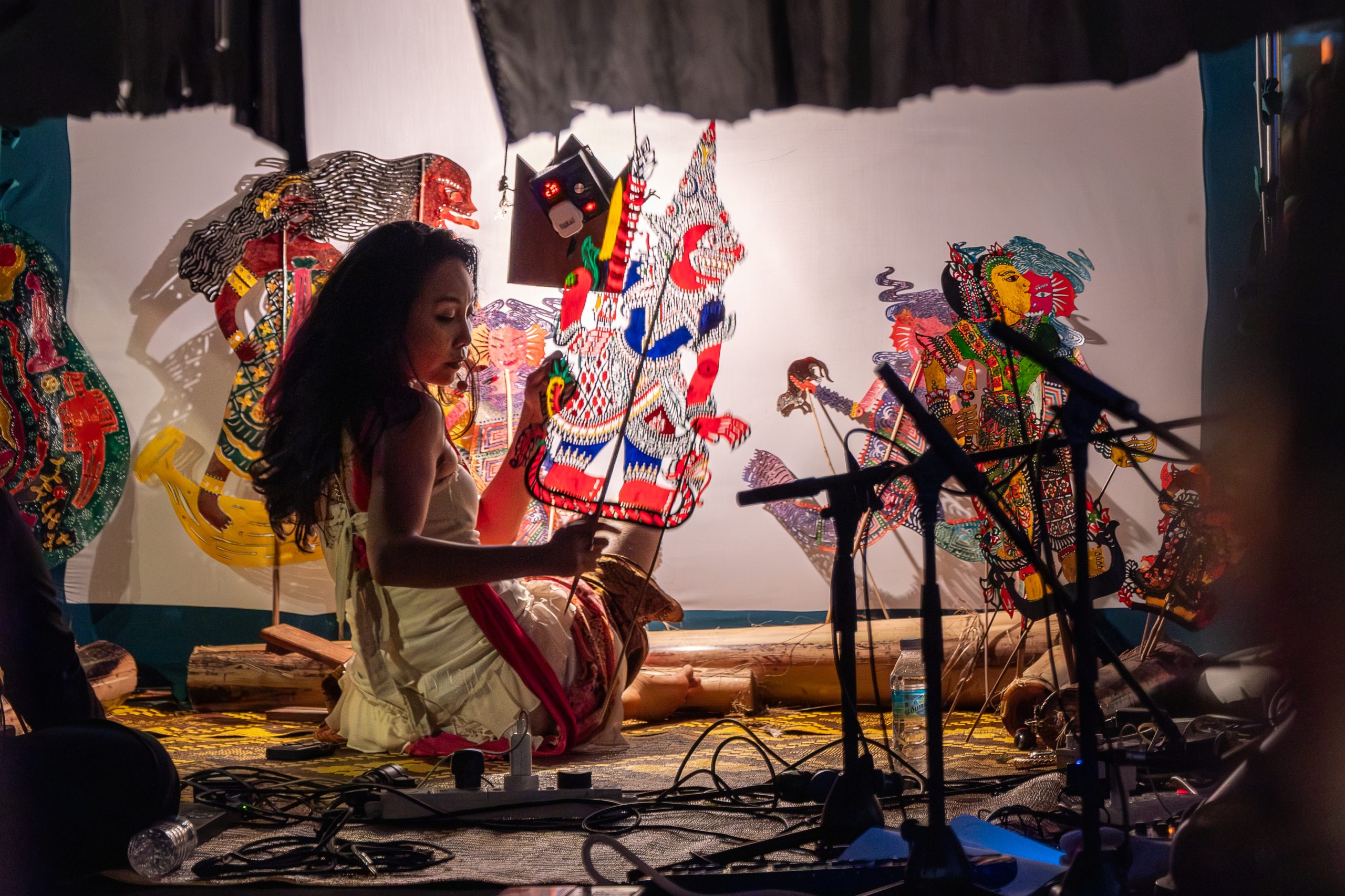
But beneath the humour lies a more serious observation. Many Southeast Asian societies share remarkably similar female ghosts.
Wayang Women uses those stories to ask why.
Why are women so often transformed into monsters? What fears created these myths? And why do they continue to survive?
More than a ghost story
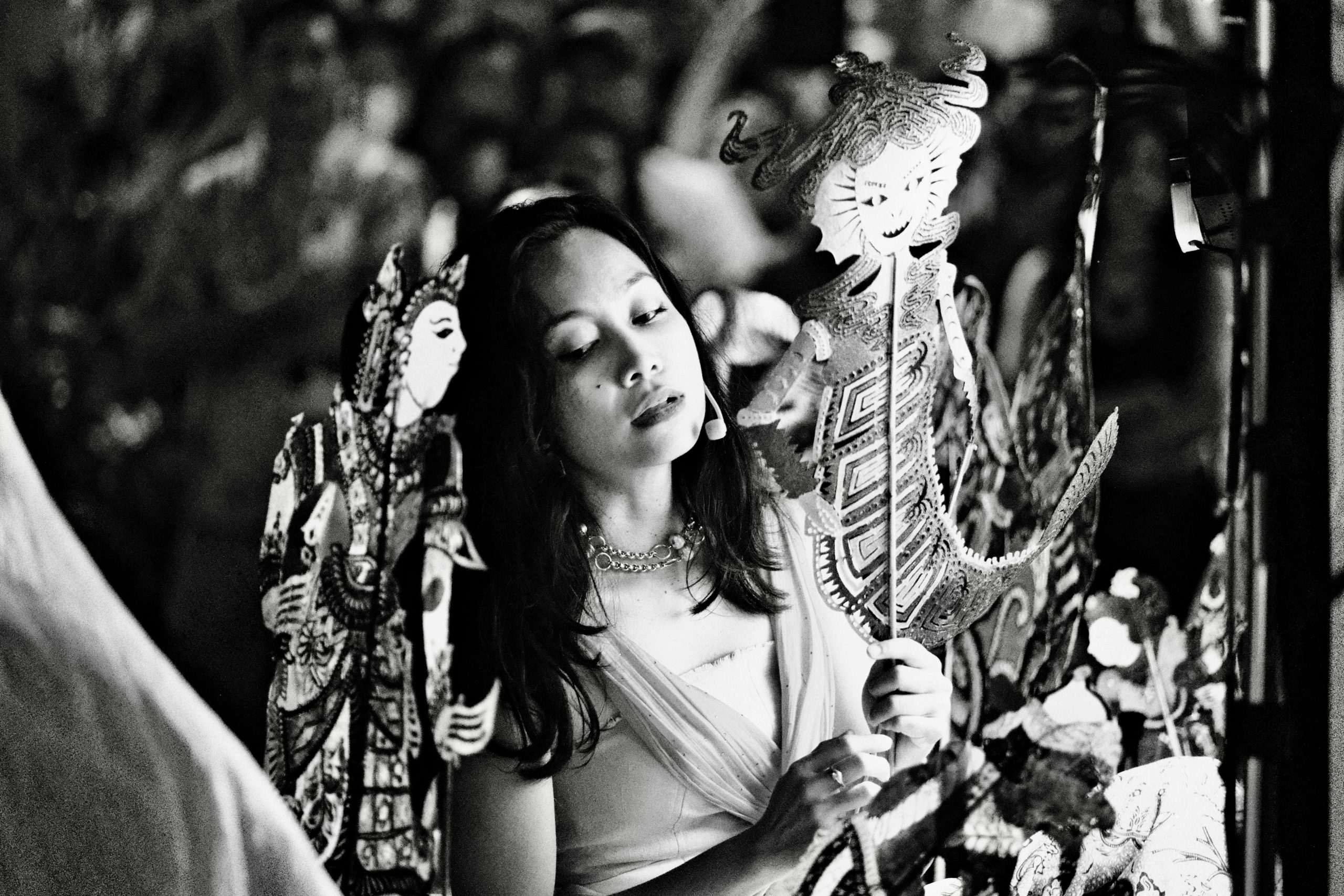
The ghosts may draw audiences in but it’s the deeper themes that keep them thinking.
For generations, wayang kulit functioned as a tool for education, transmitting values, stories, and social commentary through performance.
Wayang Women sees no reason that tradition should stop now. Its productions tackle issues ranging from gender equality to environmental degradation.
For Illya, the two are inseparable. She sees environmental justice and social justice as deeply interconnected struggles.
“We cannot call ourselves feminists if we do not also care for the environment.”
The commitment extends beyond the stage itself. Even during rehearsals, she jokes that she can be “anal” about reducing plastic consumption among the troupe.
The performances are informed by research, journalism, and contemporary issues, continuing wayang kulit’s historical role as a medium for public conversation.
Rebellion in the DNA
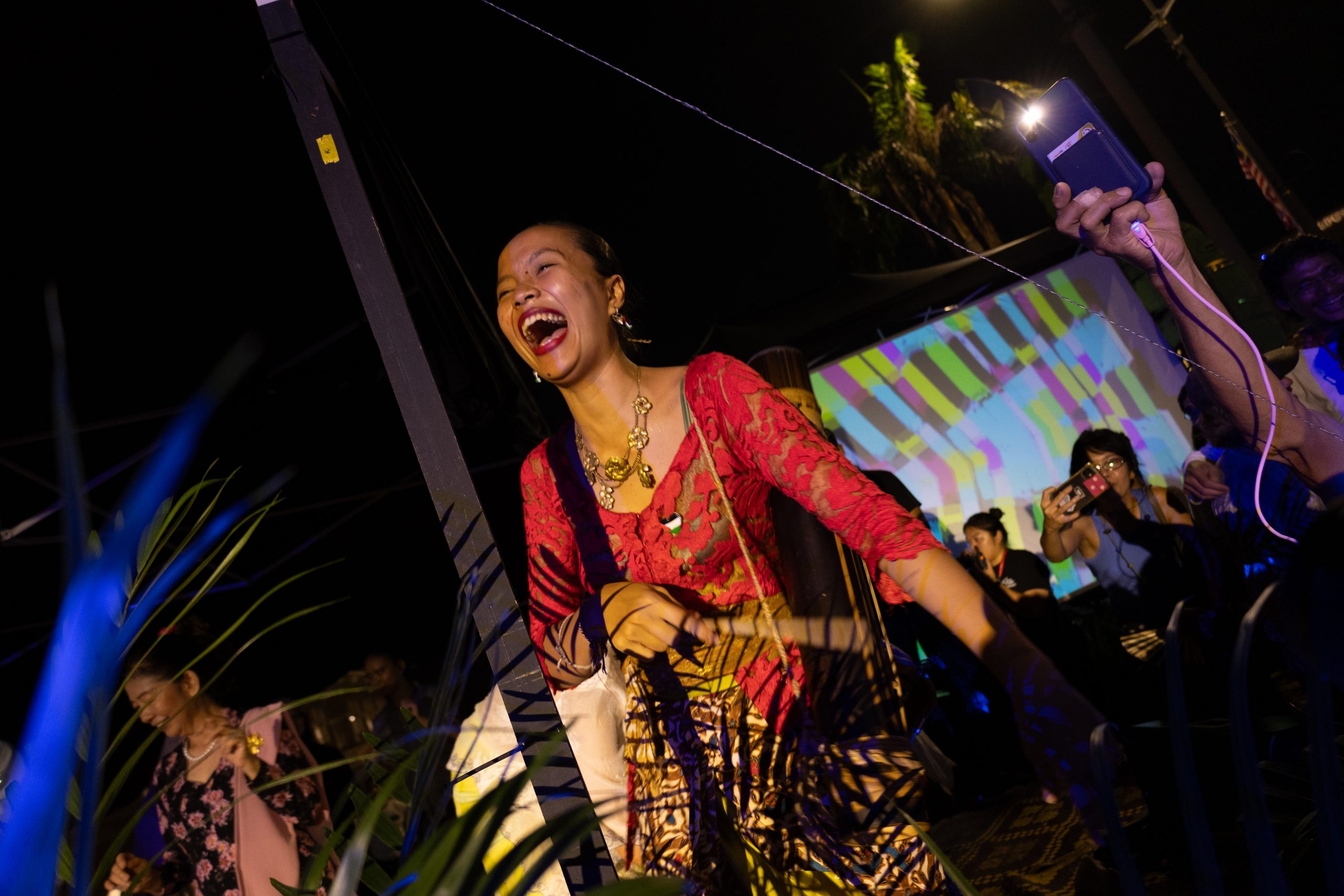
Many people associate heritage with preservation. Wayang Women often approaches it through reinvention.
Ask Illya whether the group’s work is intentionally rebellious and her answer is immediate.
“Being rebellious is in our DNA.”
That rebellion isn’t necessarily a rejection of tradition. Rather, it reflects a belief that traditions survive by evolving.
Throughout Southeast Asia, wayang kulit has spent centuries adapting to changing audiences, languages, religions, and political realities.
Wayang Women sees itself as part of that ongoing process. Not preserving a fossil but participating in a living tradition.
Building a new language of sound
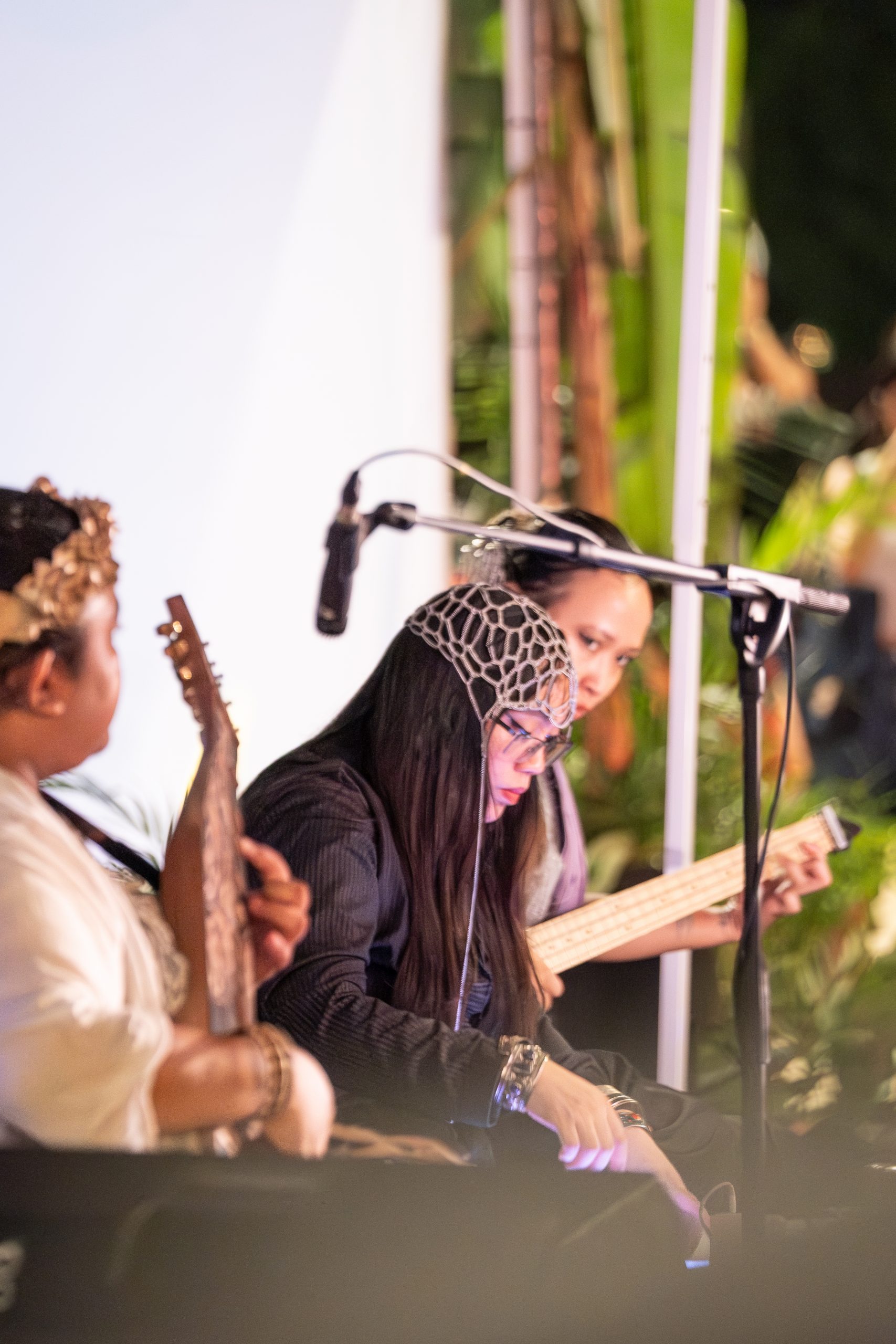
One of the troupe’s biggest challenges was musical.
Traditional wayang forms across Southeast Asia each have their own distinct musical vocabulary. Wayang Women brings together artists from different countries, traditions, and instruments. Finding common ground wasn’t easy.
The troupe began by deconstructing traditional forms before rebuilding them together.
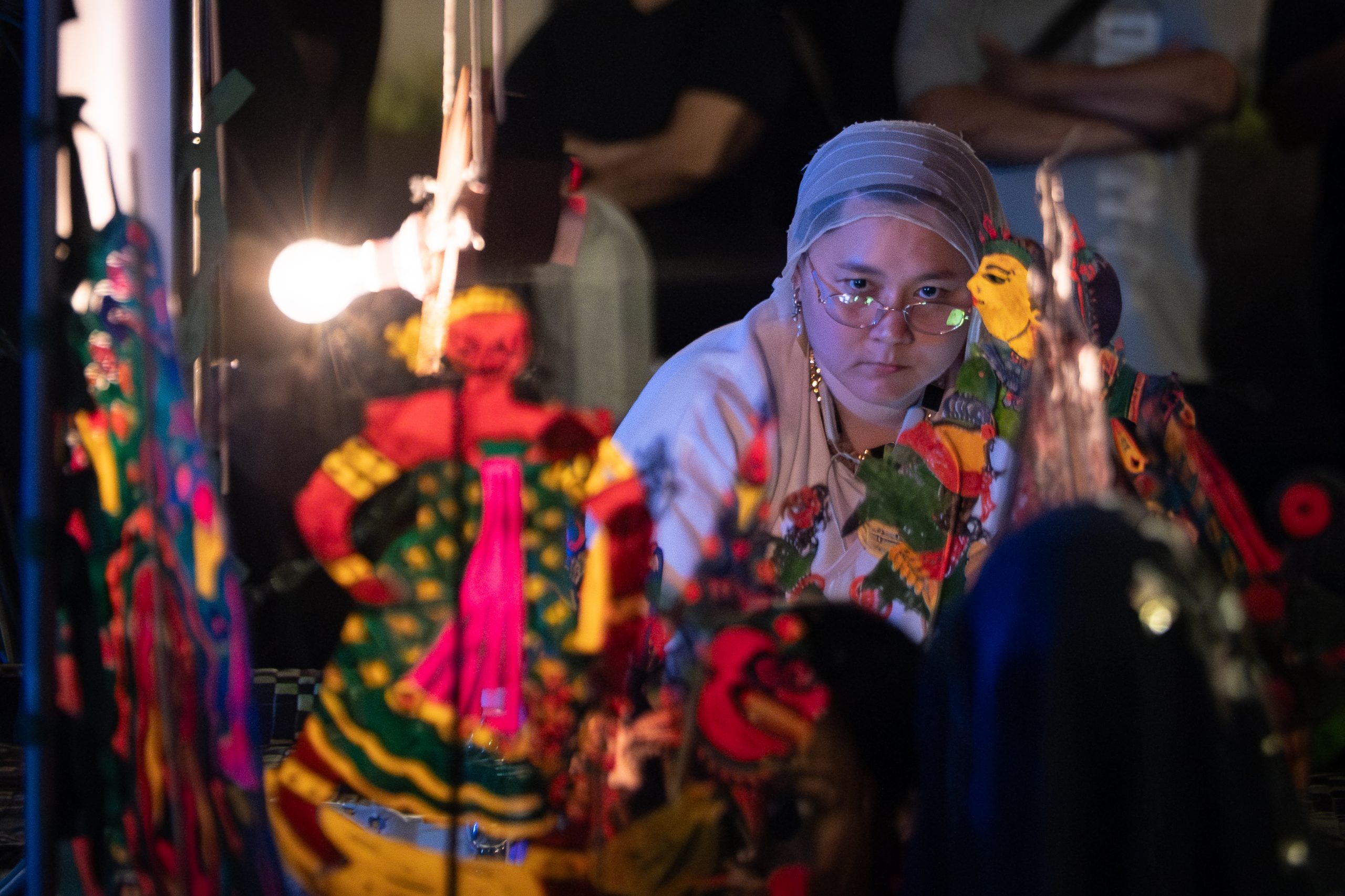
One of the earliest pieces Illya performed was Dewa Panah, traditionally used in Kelantanese wayang kulit. The challenge was recreating its emotional impact using an entirely different ensemble.
The result became what Illya describes as the group’s own style. A blend of traditional rhythms, electronic textures, improvisation, and collaborative performance.
“The soundscape doesn’t just accompany the story,” she says. “It tells it.”
Telling stories that weren’t written for us
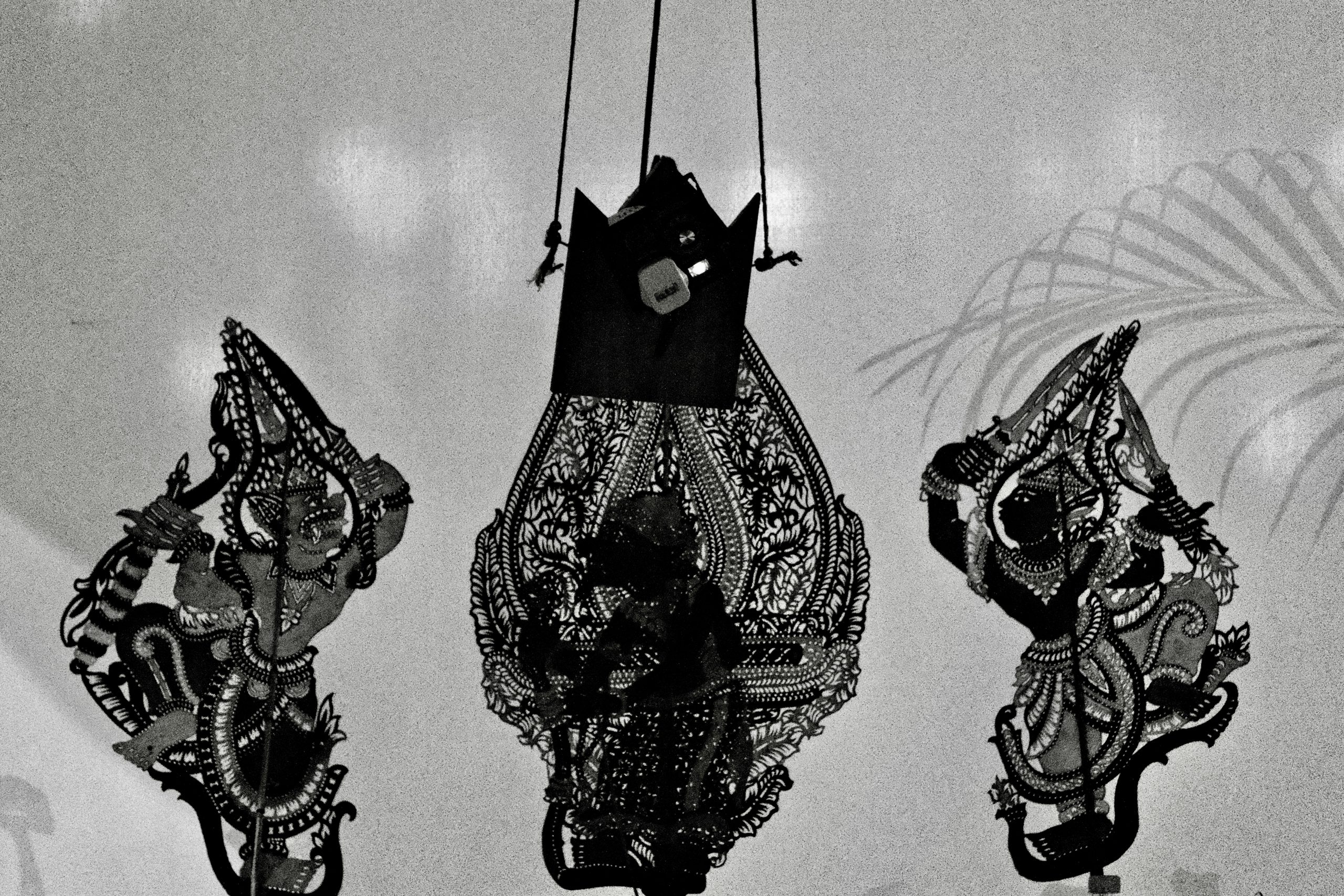
Historically, wayang kulit has been dominated by male performers.
In Indonesia, where wayang remains deeply embedded in daily life, women dalang often face criticism about their voices, physical strength or ability to perform traditionally male roles.
Malaysia presents a different challenge. The number of practitioners is simply too small. If the art form is to survive, Illya argues, participation should be encouraged rather than restricted.
Yet she has also been questioning something deeper. Perhaps women are still being judged against men because they are often performing stories originally written by men.
Maybe the answer isn’t competing within those frameworks. Maybe it’s creating new ones.
“We as women performers must create our own stories and include more female characters.”
Representation matters and sometimes the most radical act is creating the space you wish existed.
Who will inherit the shadows?
When asked how younger generations can reconnect with wayang kulit, Illya’s answer is surprisingly practical.
“It has to be a top-down effort.”
Grassroots groups and practitioners have worked tirelessly for years. But meaningful revival requires support from schools, universities, policymakers, and cultural institutions.
She points to suggestions from researchers such as Dr Fara Dayana Jufry, who has proposed introducing wayang kulit into history lessons.
The passion already exists. The challenge is building systems that can sustain it.
If visibility is the problem, education may be one of the solutions.
The next chapter
For Illya, the work is only beginning.
Wayang Women will embark on a European tour this July while continuing to strengthen relationships with practitioners in Kelantan, Indonesia, and Southern Thailand, where the art form is known as Nang Talung.
The collective hopes to learn from those traditions while continuing to experiment with its own. At the same time, it wants to bring wayang kulit into schools and introduce new generations to the art form.
The ambition is not simply to preserve wayang. It is to keep it alive. Because the lesson from Dataran Merdeka was surprisingly simple.
The audience is already there. The challenge is making sure the shadows remain visible.
For more features, click here.
Follow JUICE on Facebook, Instagram, and TikTok.

More JUICE:
This Man Illegally Recorded Concerts For 40 Years And Accidentally Made History
For over 40 years, Aadam Jacobs secretly recorded thousands of concerts from underground punk bands to future legends like Nirvana and Sonic Youth…

Phil Tan: This Hitmaker Behind Pop’s Biggest Songs Is Malaysian?!
After graduating in 1990, Phil Tan moved into Atlanta’s music scene, which at the time was exploding with hip-hop and R&B innovation.

P. Ramlee, Popcorn & Subang’s Short-Lived Cinema Era
Places like P. Ramlee Twin existed at the intersection of ambition and uncertainty, before the industry fully stabilised into the mall-centric models of today.
Mamat Records Is Flying The Flag For Malaysian Metal
This has always been about championing local metal, giving Malaysian bands a platform, and making sure the scene continues to grow on its own terms.
Raja Bersiong: Kedah’s Infamous Vampire King
Its central warning remains stable: power that feeds only itself will eventually consume everything around it, including the one who holds it.
Someone Tried To Start A Political Party Called ‘Parti Sampai Pagi’ (Yes, Really)
Malaysia already has 72 political parties, with 16 more under review. Some proposed names have caught attention for all the wrong reasons.