
 Get Audio+
 Hot FM
 Kool 101
 Eight FM
 Fly FM
 Molek FM
Raja Bersiong: Kedah’s Infamous Vampire King
 Thirsty for JUICE content? Quench your cravings on our Facebook, Instagram, TikTok and WhatsApp

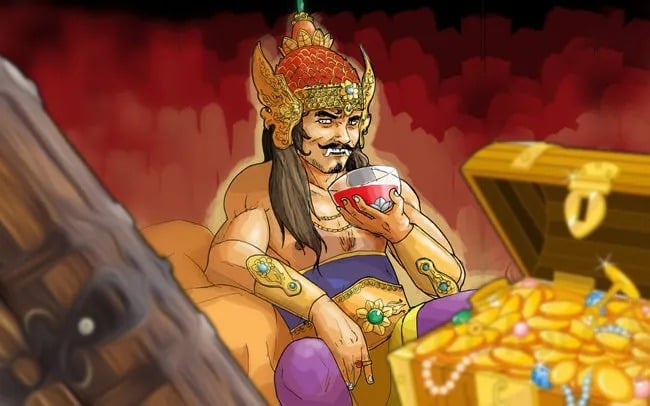
In the layered world of Malay classical literature, few figures are as haunting and morally charged as Raja Bersiong, the Fanged King.
His story, preserved within the traditions of the Hikayat Merong Mahawangsa, sits somewhere between myth, political allegory, and psychological horror. It is less a historical record and more a cautionary mirror held up to power itself.
Raja Bersiong is often identified as Raja Ong Maha Perita Deria, a ruler of Kedah said to have lived around the 10th century in legend.
Before his transformation, he is portrayed as a sovereign with authority and privilege, ruling over a prosperous court. Nothing in his early depiction suggests monstrosity.
The turning point arrives not through war or prophecy, but through something disarmingly ordinary: food.
One of the most well-known versions of the legend begins in the royal kitchen. The king’s cook, while preparing a dish of bayam (spinach) soup, accidentally cuts her finger. A single drop of blood falls into the pot.
When the dish is served, the king tastes it and is immediately struck by an unfamiliar pleasure. The flavour of blood, mixed with food, is described as intoxicating, addictive, almost supernatural in its appeal. What begins as curiosity quickly becomes craving.
He orders his cook to recreate the dish. The request escalates from accidental seasoning to deliberate practice. In some retellings, he demands that human blood be used regularly in his meals, marking the beginning of his moral collapse.
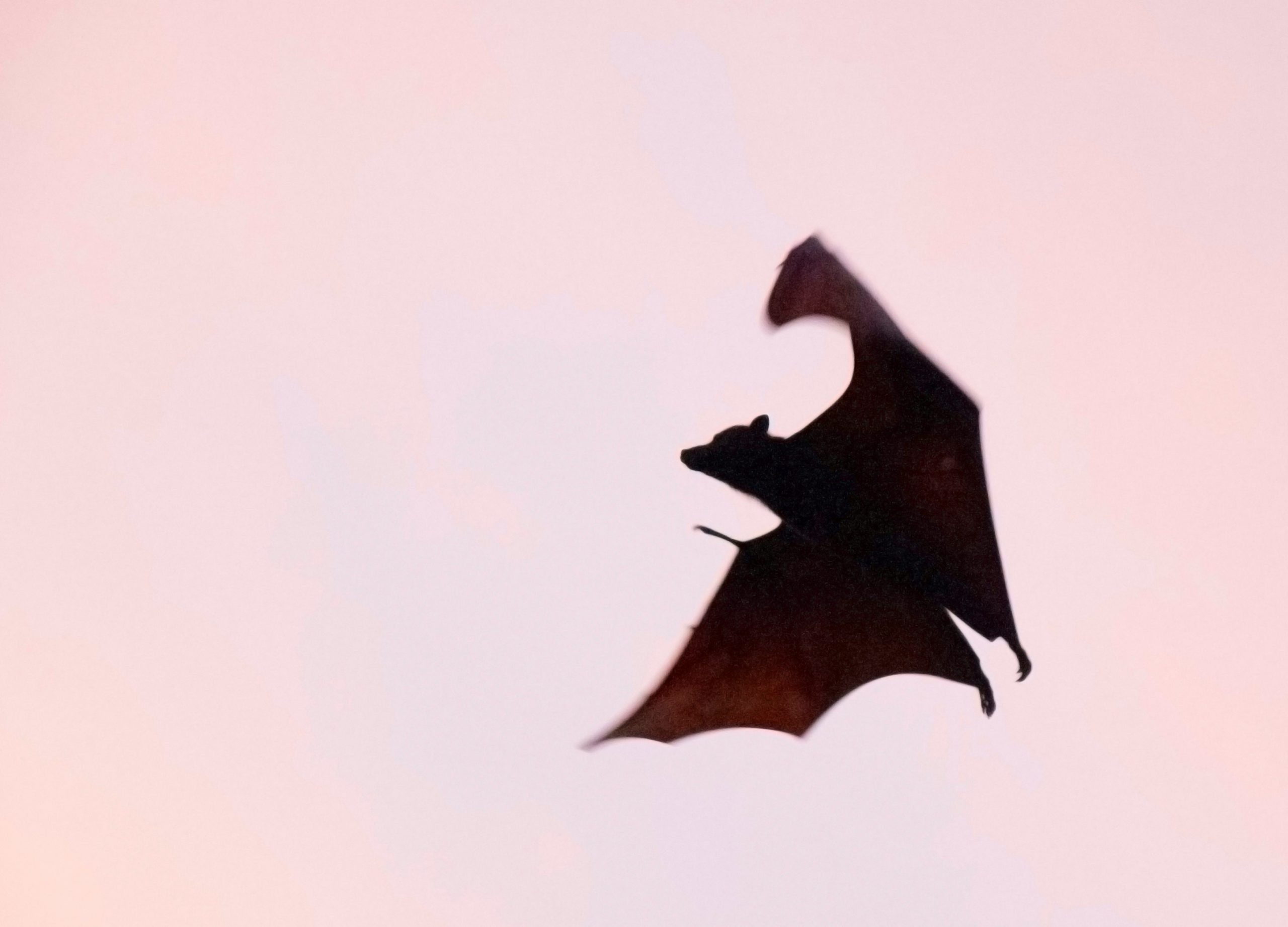
As the king’s consumption of blood increases, the legend says his body begins to change.
Fangs emerge from his mouth, symbolising both physical transformation and spiritual corruption. From this point onward, he becomes known as Raja Bersiong, the Fanged King.
His reign turns increasingly violent. He is said to have killed subjects to satisfy his hunger and, in more extreme versions of the tale, abducted children. The king is no longer merely a ruler who has lost control. He becomes a figure of terror, embodying the fear of unchecked authority consuming its own people.
The court and ministers, once loyal, are eventually forced to confront what their king has become. His actions destabilise the moral and political order of the kingdom. The fear he inspires begins to outweigh the loyalty he once commanded.
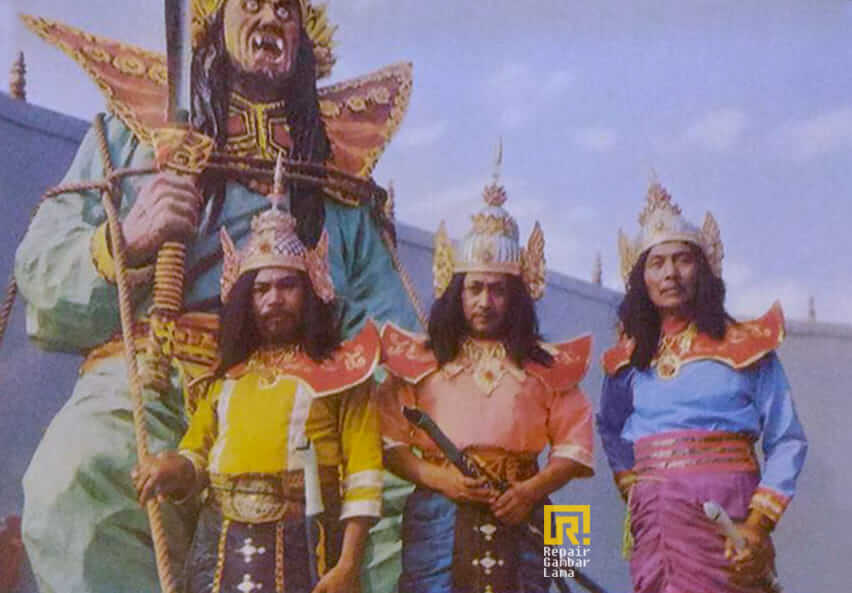
A rebellion forms. The palace is surrounded, and even those sworn to protect him turn against him. In most versions, this moment marks the collapse of divine or absolute kingship in the story. A ruler who consumes his own people cannot be sustained by them.
Raja Bersiong escapes the palace at Kota Aur and flees into the forest.
This descent into wilderness is symbolic. He is no longer part of civilisation, law, or human structure. He becomes something exiled from order itself.
In a final act that varies across tellings, he is said to have ripped out his fangs in remorse or desperation and thrown them away. The places associated with this moment are often tied to real geography in Kedah folklore. The act of throwing, or “membaling,” is linked to the naming of Baling, while the fangs are associated with a place called Siong.
At its core, the story of Raja Bersiong is not simply about cannibalism or monstrosity. It functions as a political and moral allegory. The king’s transformation reflects the dangers of absolute power without restraint, where desire becomes law and authority detaches from humanity.
Blood, in this context, is not just a literal substance but a symbol of exploitation.
The more he consumes, the less human he becomes. The kingdom’s eventual rebellion represents the collective rejection of tyranny once it exceeds moral limits.
The tale also reflects a broader motif common in Southeast Asian folklore: rulers are not inherently divine or untouchable. Their legitimacy is conditional, and it can be lost through moral failure.
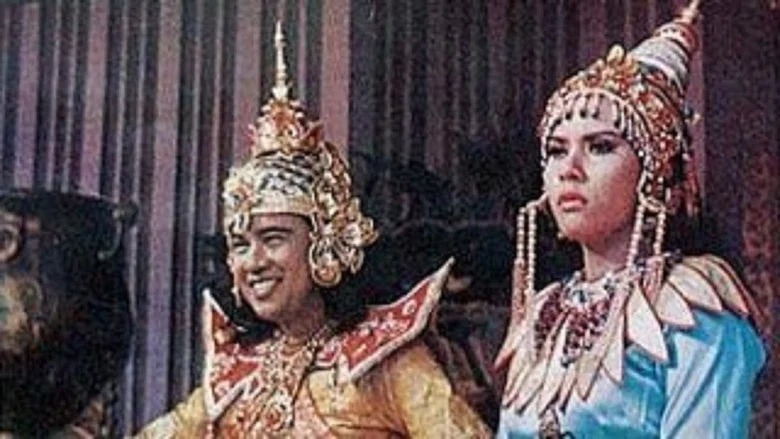
The legend of Raja Bersiong has endured not only in oral storytelling but also in modern reinterpretation. One of the most notable adaptations is the 1968 Malaysian historical drama film Raja Bersiong, which brought the myth to a cinematic audience and reinforced its place in national cultural memory.
Across retellings, the story continues to shift between horror and allegory, but its central warning remains stable: power that feeds only itself will eventually consume everything around it, including the one who holds it.
For more mystery, click here.
Follow JUICE on Facebook, Instagram, and TikTok.

Missed these?

How To Achieve The Emotional Impact Of A Gothic Cathedral
In a world increasingly defined by 280-character hot takes and TikTok’s fleeting bursts of serotonin, you might find yourself yearning for something… Timeless.

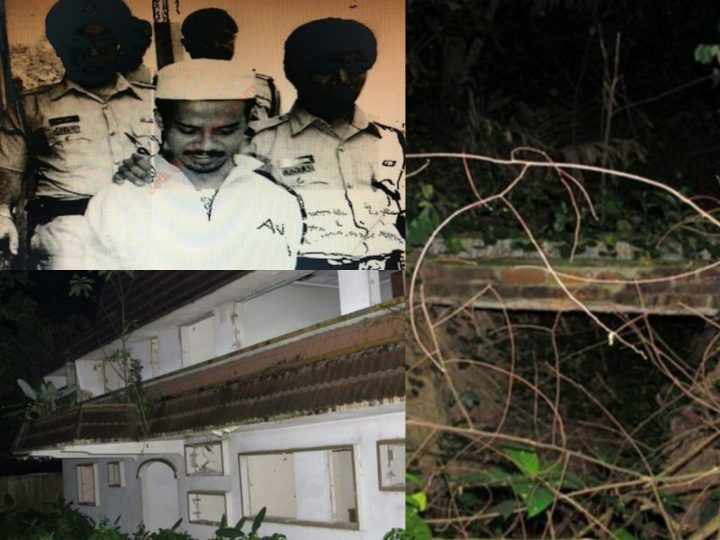
The Gruesome 1992 Triple-Murder Story Behind The ‘Haunted’ Jalan Turi Bungalow in Bangsar
This horrifying story is indeed true.