
 Get Audio+
 Hot FM
 Kool 101
 Eight FM
 Fly FM
 Molek FM
This Man Illegally Recorded Concerts For 40 Years And Accidentally Made History
 Thirsty for JUICE content? Quench your cravings on our Facebook, Instagram, TikTok and WhatsApp
Long before every festival set instantly landed on TikTok in 47 blurry angles, there was Aadam Jacobs quietly doing the opposite of what venue security wanted.
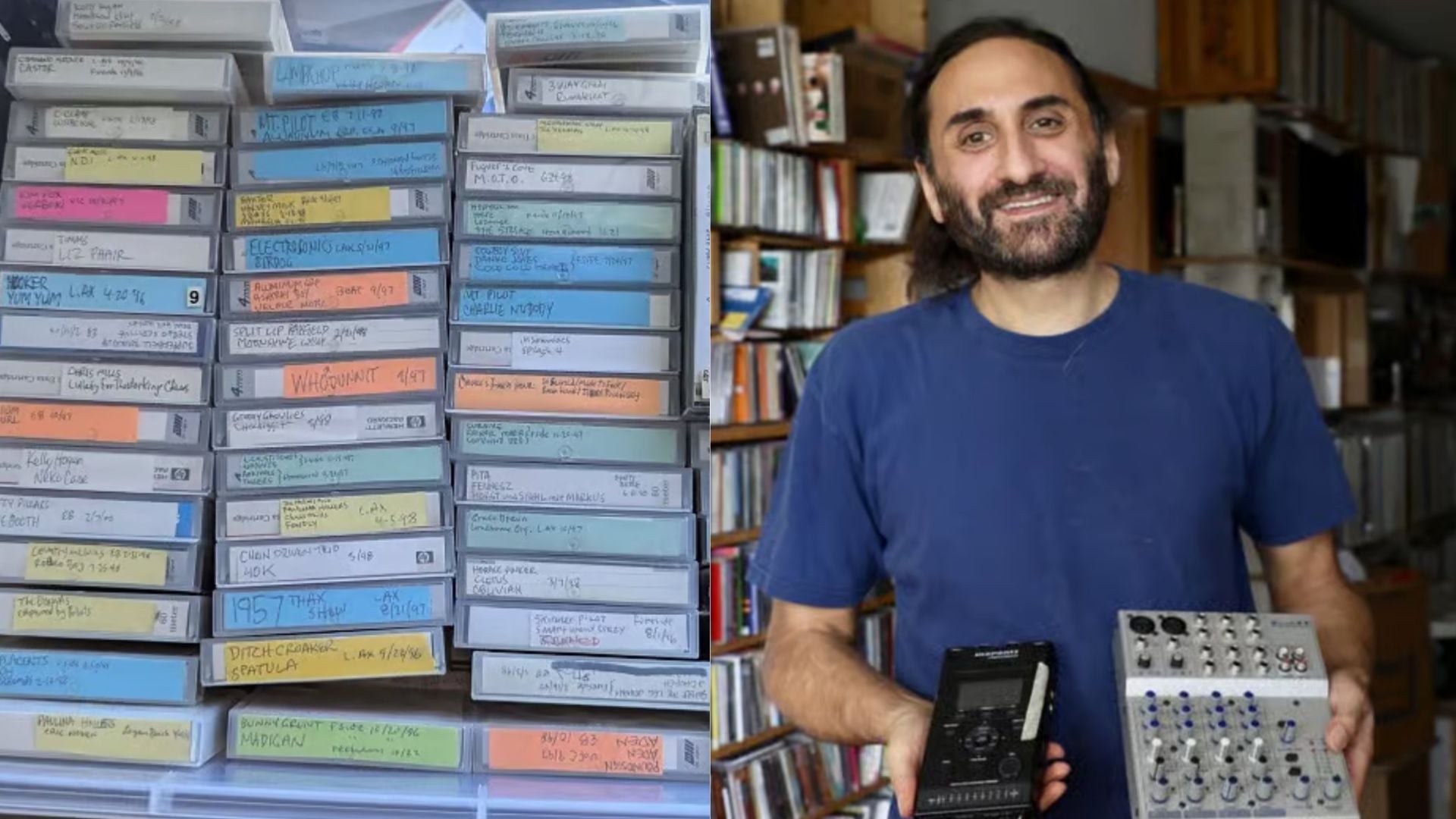
For over four decades, the Chicago music obsessive secretly recorded more than 10,000 live shows, building one of the biggest underground concert archives ever created. Punk gigs, indie sets, noise shows, future legends playing tiny rooms. Somewhere inside his collection are early performances from Nirvana, Björk, Sonic Youth, R.E.M., and countless forgotten local acts that would’ve otherwise disappeared into the void.
Now, thousands of those recordings are being digitised and uploaded online for free.
From A Dictation Recorder To A Music Time Machine
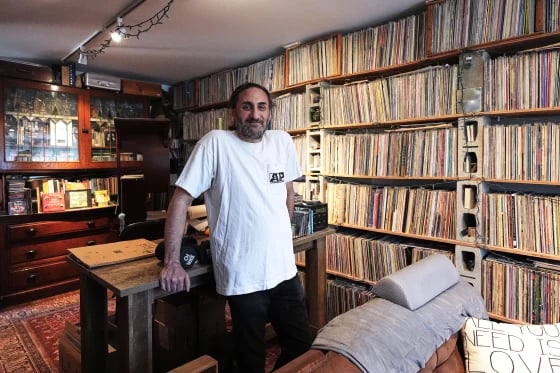
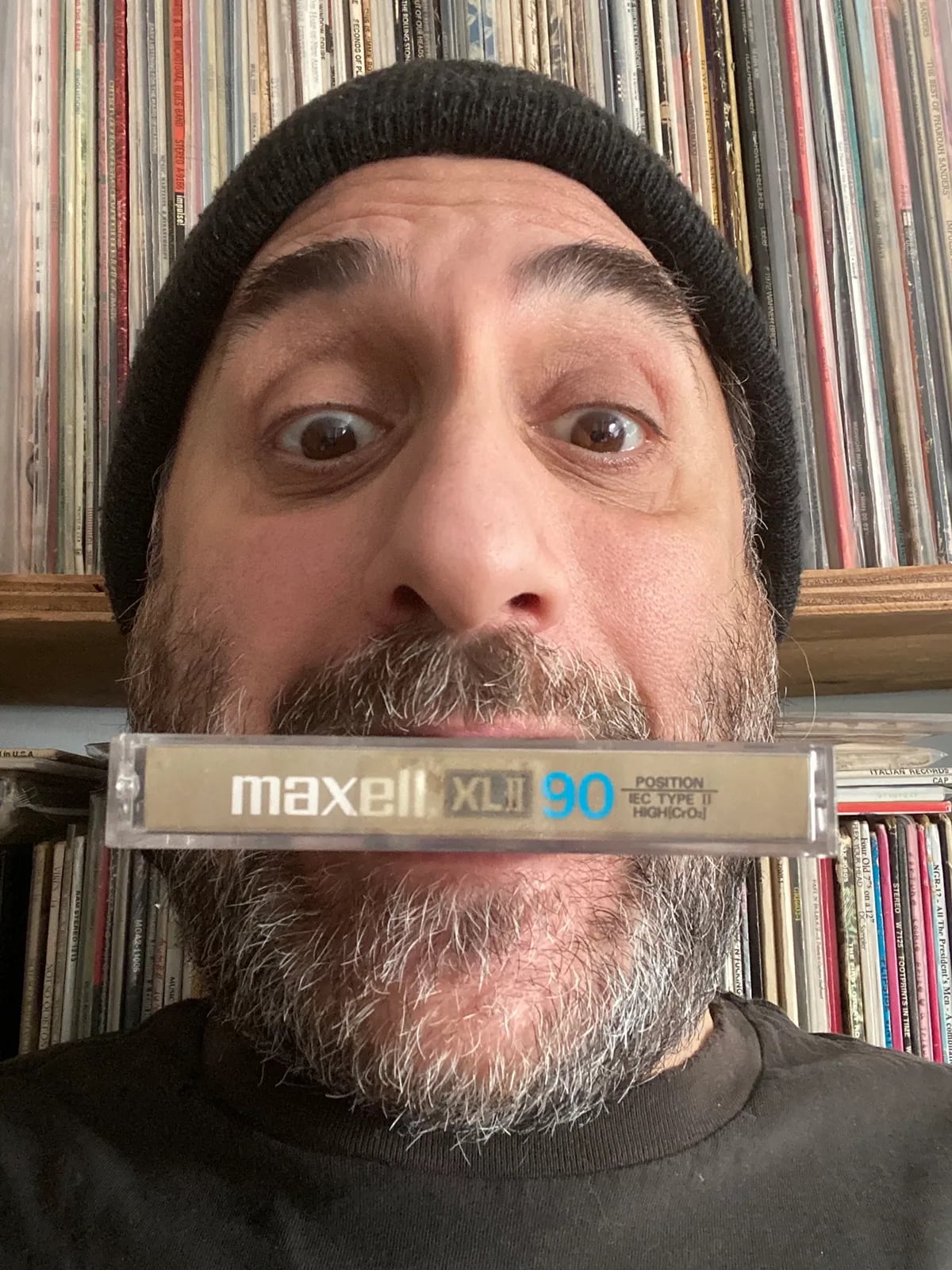
Jacobs started taping concerts in 1984 after discovering people were sneaking recording devices into gigs. His first weapon of choice? A dictation recorder borrowed from his grandmother. Very DIY.
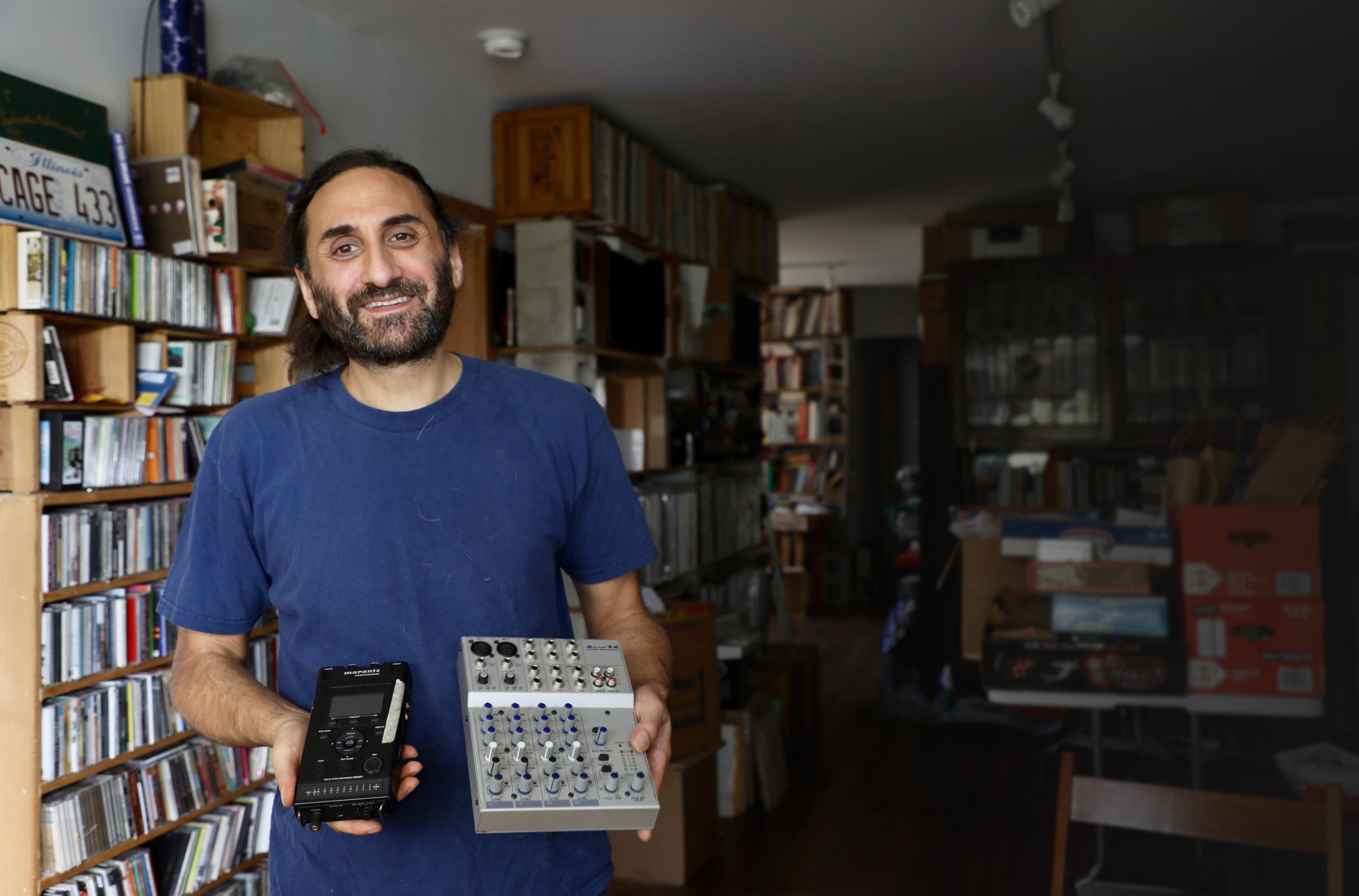
What began as a hobby slowly transformed into a lifelong ritual. He’d bike around Chicago carrying bags full of equipment just to catch multiple gigs in one night. Sometimes he recorded shows simply so the bands themselves could have copies.
Eventually, he became a familiar figure in underground music circles. The guy with headphones permanently attached to his face, lurking near the soundboard like a bootleg Batman. Someone people even started calling him “taper guy”.
And unlike modern content culture where everything becomes monetised within six minutes, Jacobs wasn’t really doing this for profit.
He just believed the music deserved to survive.
When Bootlegs Become Time Capsules
A lot of these performances existed for one night only.
No official releases. Just sweaty clubs, overloaded amps, and moments that vanished once the lights came on.
Jacobs understood that even “small” shows could become historically important later. Some of his recordings eventually became official releases too. Sonic Youth famously used one of his tapes for their live album Hold That Tiger.
In a weird way, he accidentally became an archivist of underground culture. Not the polished version labels preserve, but the messy human version complete with crowd noise, feedback squeals, and someone yelling for one more song.
The Internet Archive Rabbit Hole
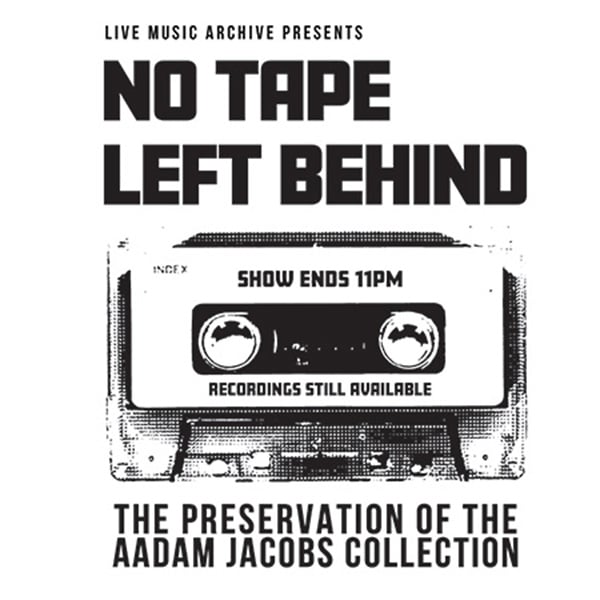
Today, volunteers are helping preserve the collection through the nonprofit Internet Archive and the dedicated Aadam Jacobs Collection project.
Which means yes, you can now casually listen to decades of rare underground live recordings like you’ve discovered a secret music vault hidden beneath the internet.
You can explore the archive here:
https://archive.org/details/@aadam_jacobs_collection
https://aadamjacobscollection.org/
The Legal Grey Area
Live recordings are usually owned by the artists and recording concerts without permission can violate anti-bootlegging laws.
But Jacobs never sold the tapes, and the archive exists primarily for preservation and historical purposes. Many musicians have embraced the project because these recordings now function less like piracy and more like a gigantic oral history of live music culture.
Basically: illegal? Kind of. Historically priceless? Also kind of.
Today, Jacobs is still watching the archive grow online alongside a team of volunteers digitising the tapes one by one. He spends much of his time selling used records, revisiting old recordings, and slowly releasing decades of underground music history back into the wild.
For more features, click here.
Follow JUICE on Facebook, Instagram, and TikTok.
More JUICE:
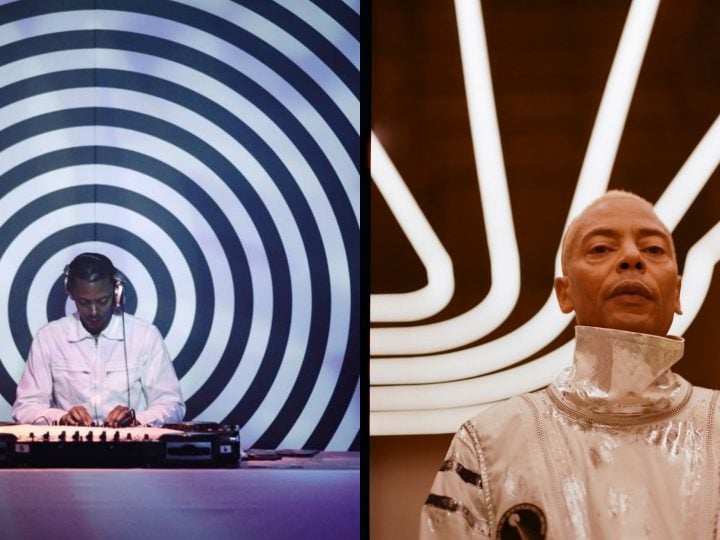
Jeff Mills Brings Detroit Techno History To KL This Month
Detroit techno pioneer Jeff Mills returns to KL this month, bringing his legendary Liquid Room Mix Tour to Over&Above for one historic night.
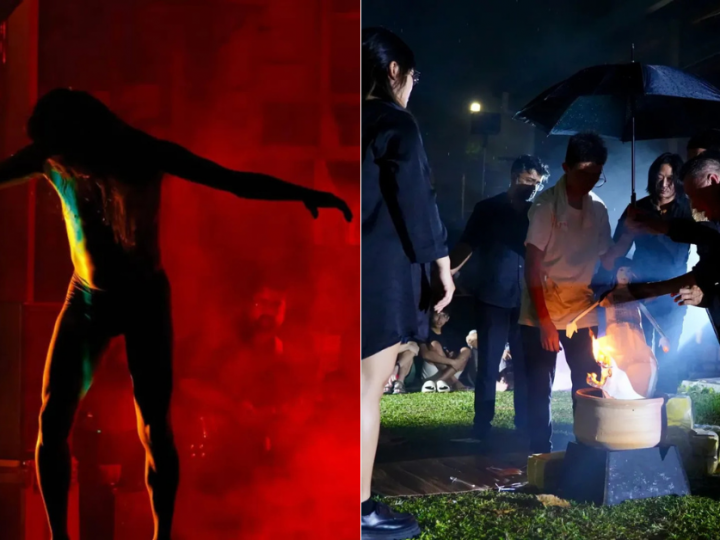
‘BARDO’ Is a Rock Funeral That Explores Death & Rebirth
It’s a blend of live rock music, physical performance, ritual movement, and fire, which the production uses to create an immersive funeral-like experience.
Phil Tan: This Hitmaker Behind Pop’s Biggest Songs Is Malaysian?!
After graduating in 1990, Phil Tan moved into Atlanta’s music scene, which at the time was exploding with hip-hop and R&B innovation.