
 Get Audio+
 Hot FM
 Kool 101
 Eight FM
 Fly FM
 Molek FM
Scientists Think Robot Vacuums Are Lazy & Need New Jobs
 Thirsty for JUICE content? Quench your cravings on our Facebook, Instagram, TikTok and WhatsApp
We all bought robot vacuums thinking we were finally living in the future—one where we sip coffee while a little disc-shaped buddy silently tidies up.
In reality? It’s a glorified mop/broom with a mild shoelace phobia. And it works for, what, two hours a day?
The rest of the time it’s parked in a corner, charging up like it’s got some high-stakes marathon ahead.
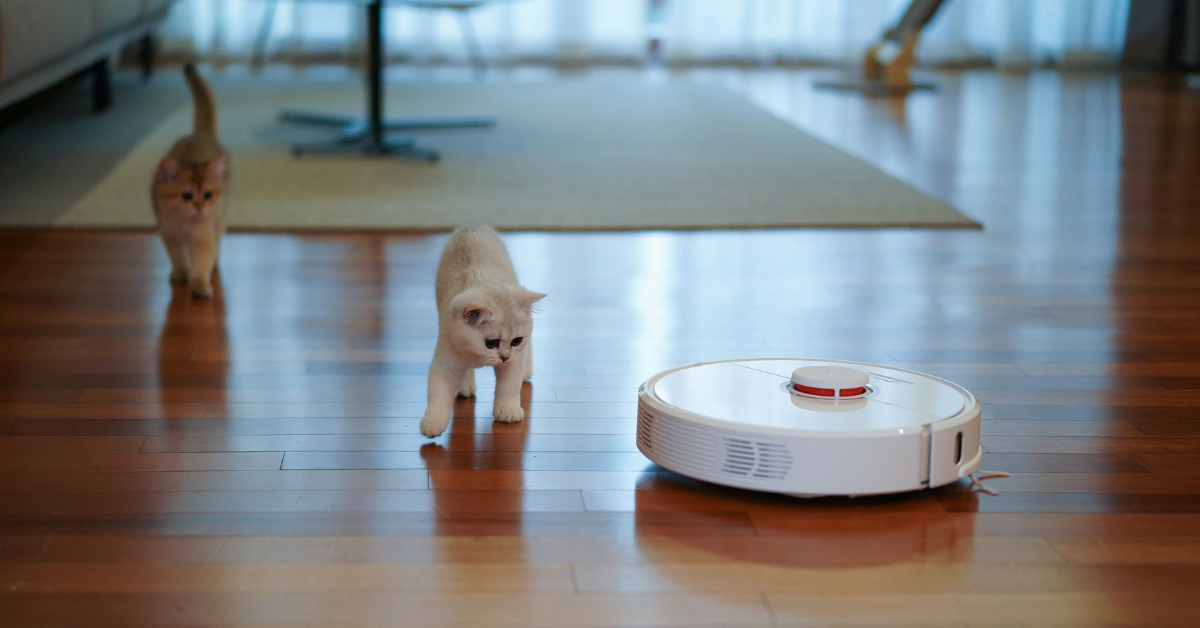
Your robot vacuum needs a new job besides terrorising your cat
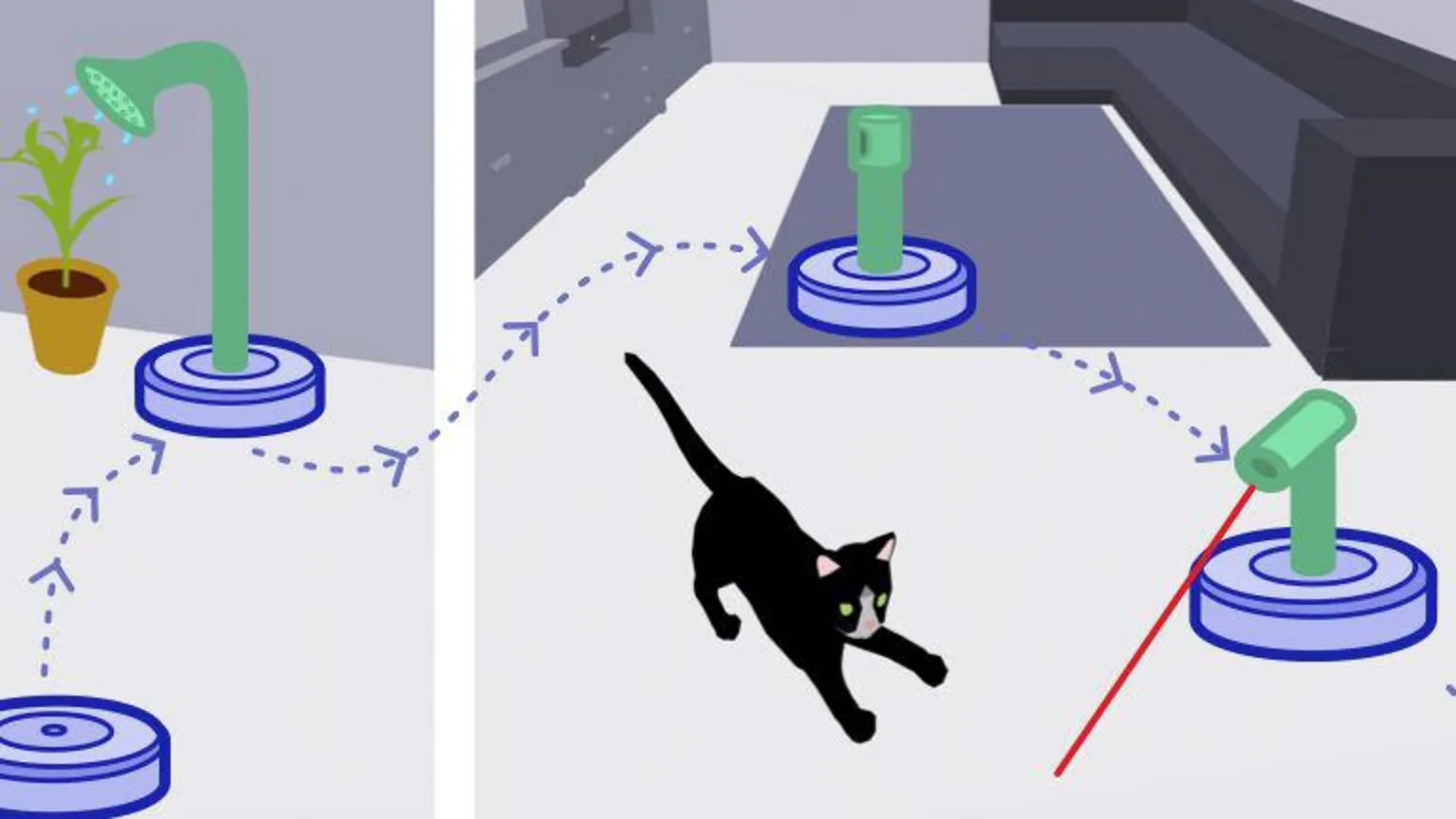
Researchers from the University of Bath apparently got tired of watching their robot vacuum sit around doing its best imitation of a lazy, hormonal teenager.
So they decided to reprogram it. Not to clean better—that’d be too obvious—but to do literally everything else.
“We should be extending their utility beyond their primary tasks by programming them to physically navigate the home to perform a range of additional functions,” said Yoshiaki Shiokawa, the brains behind the operation.
For the layman, this means the scientists wanted to give their robot vacuum a more lucrative side hustle; a bigger purpose of sorts.
So what did they make it do? Oh, just casual things like following you around, charging your phone.
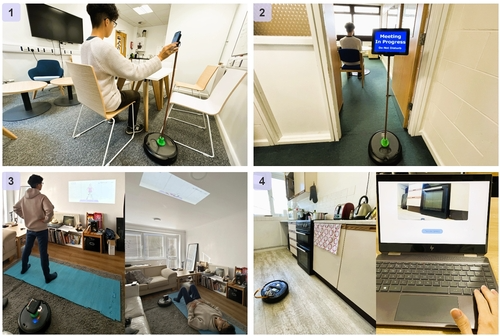
It also projected workout videos onto the wall, because nothing screams “high-intensity interval training” like being coached by a sentient dust collector.
They even turned it into a mobile home monitor so you can keep an eye on your oven while pretending to be productive elsewhere.
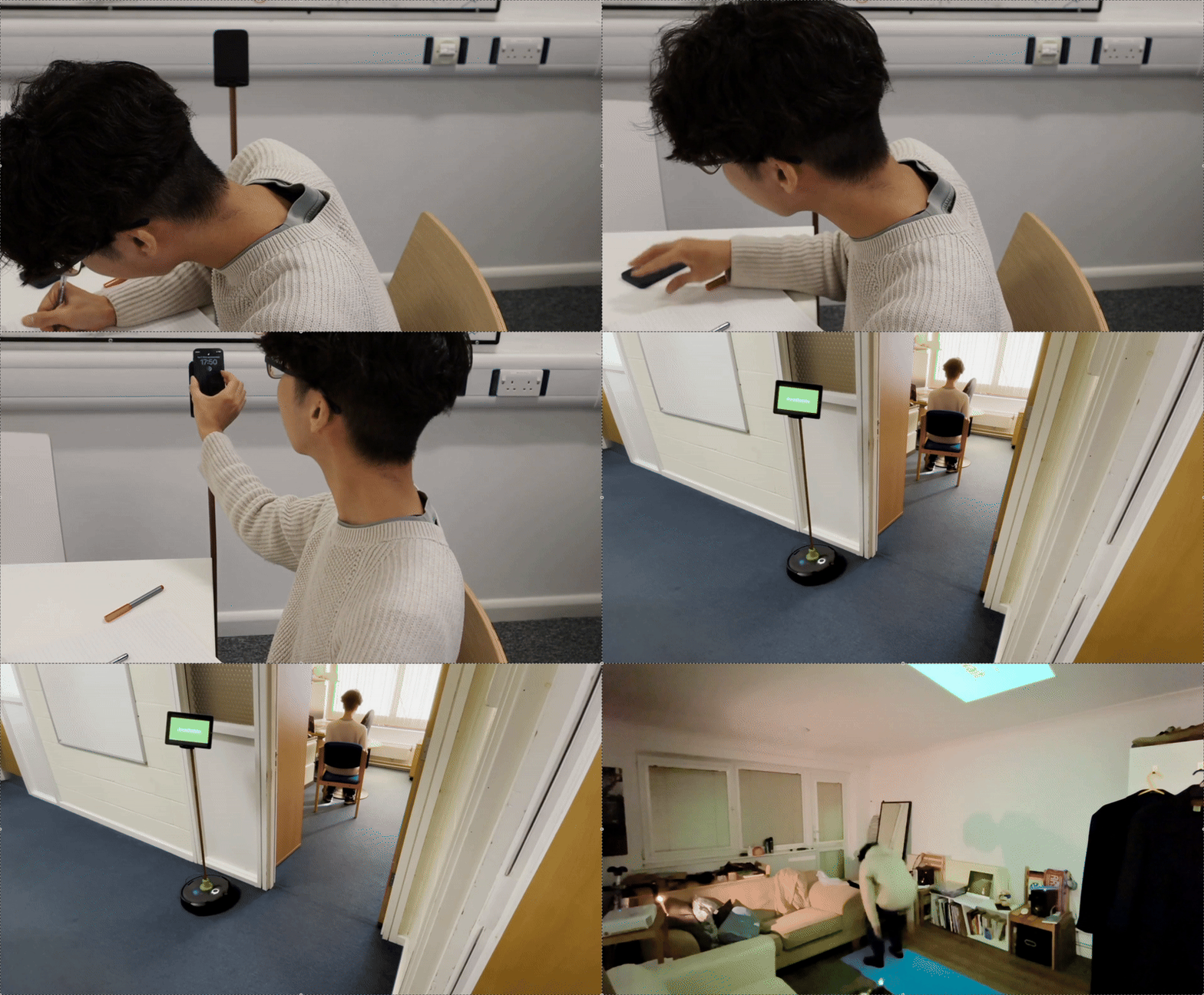
And, my personal favourite: They programmed one to carry a glowing “Do Not Disturb” sign and wheel it to wherever you are—perfect for telling those around you to piss off (respectfully).
These are just four of 100 potential uses the researchers dreamed up, all doable with what they claim are “minimal adjustments.”
Tonnes of potential
“These robots are perceived as limited, single-task devices but there is a strong argument that they are under-used for practical tasks,” Shiokawa added.
It’s kinda sad when you really think about it. We’ve got robots with enough sensors to map a small country, and we’re using them to vacuum around household furniture.
Let’s face it: robot vacuums are the office interns of the smart home. Tonnes of potential, minimal responsibilities, and a tendency to make silly mistakes.
But the global market for household robots was worth over US$10 billion (RM43.1 billion) in 2023 and is expected to more than double by 2028.
This means more households are going to adopt these lazy geniuses and relegate them to do the bare minimum unless we step in.
All this “idle time” is a missed opportunity, according to Dr. Adwait Sharma, who co-authored the study. He makes a good point.
We’ve got the tech, tools, and know-how. So maybe it’s time to rethink what your little floor robot is capable of. Don’t just let it be the world’s most expensive automatic broom. Give it a gig. Teach it a new trick. Let it shine.
Or at the very least, make it carry your snacks.
For more future-forward stories, head to JUICE Malaysia.

Read more here:

Robots Run Half-Marathon & Get Absolutely Smoked by Humans
Will humanoid robots become our overlords someday? Sure. Will it be any time soon? If this half-marathon is of any indication, probably not.

Scientists (Sort of) Bring Dire Wolf Back From Extinction
The first three pups are being raised on a secret, fenced-off 2,000-acre property under 24/7 drone surveillance. But this isn’t a Jurassic Park situation, yet.
Here’s Why AI Can Never Replace Us
Let’s face it… we’re afraid of losing our jobs to R2D2. But can AI really defeat the randomness of humans?