
 Get Audio+
 Hot FM
 Kool 101
 Eight FM
 Fly FM
 Molek FM
‘Minimum Speed’ Study in the Works for Malaysia’s Roads
 Thirsty for JUICE content? Quench your cravings on our Facebook, Instagram, TikTok and WhatsApp
The Malaysian Institute of Road Safety Research (MIROS) has reminded Malaysian motorists to keep to the left lane when travelling at normal speeds and not overtaking.
It might come off as infantalisation to some, but it’s a necessary reminder with the current state of road safety knowledge among Malaysian drivers.
Adding onto this is an ongoing MIROS study taking place in certain sections of the PLUS Highway and South Klang Valley Expressway (SKVE), aiming to determine the feasibility of a “minimum speed” for specific lanes.
Many drivers lack common courtesy, spatial awareness on the road
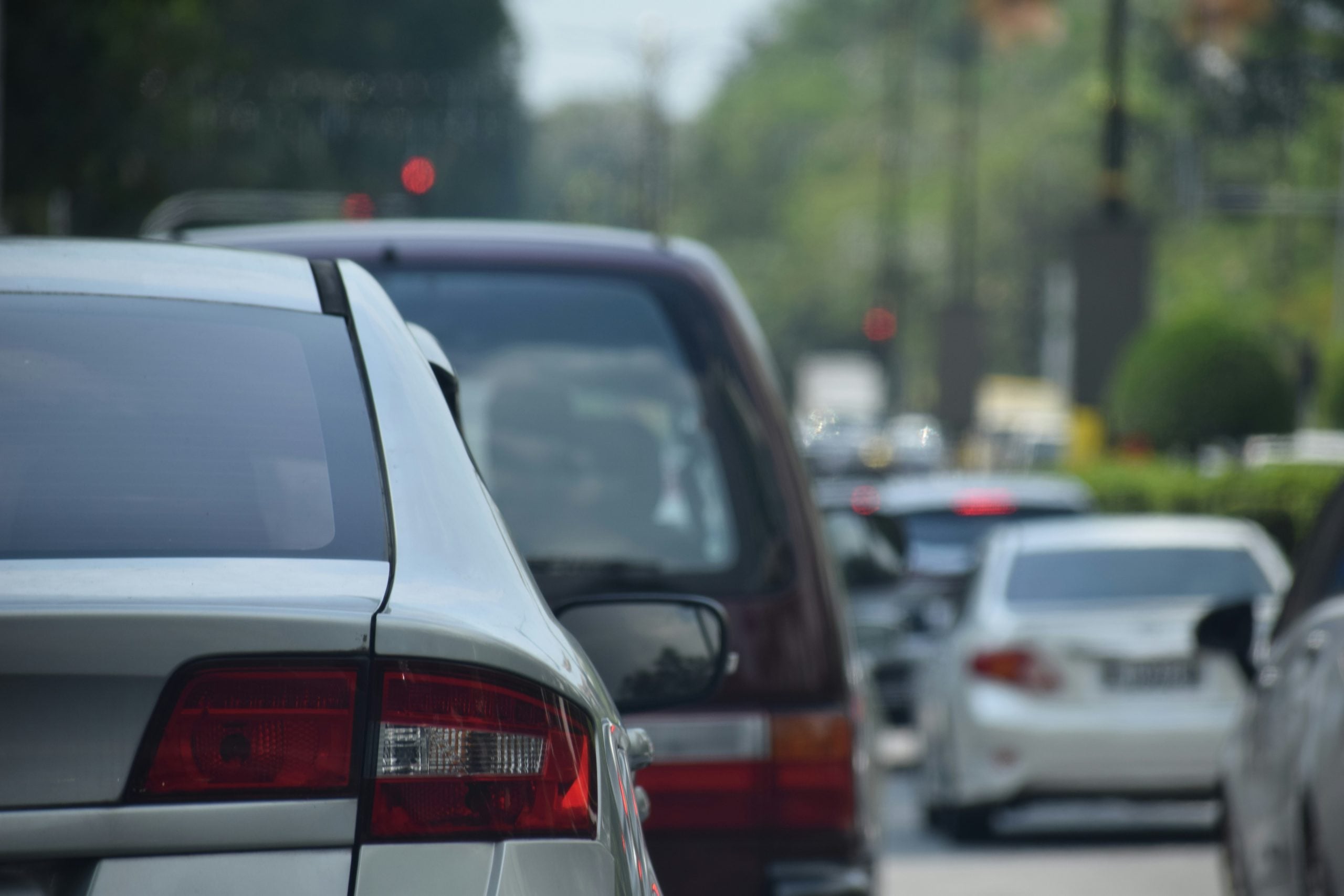
According to Rizati Hamidun, Director of the Road Safety Engineering and Environment Research Centre, drivers who are on regular commutes, as well as slow-moving vehicles, should stick to the left lane.
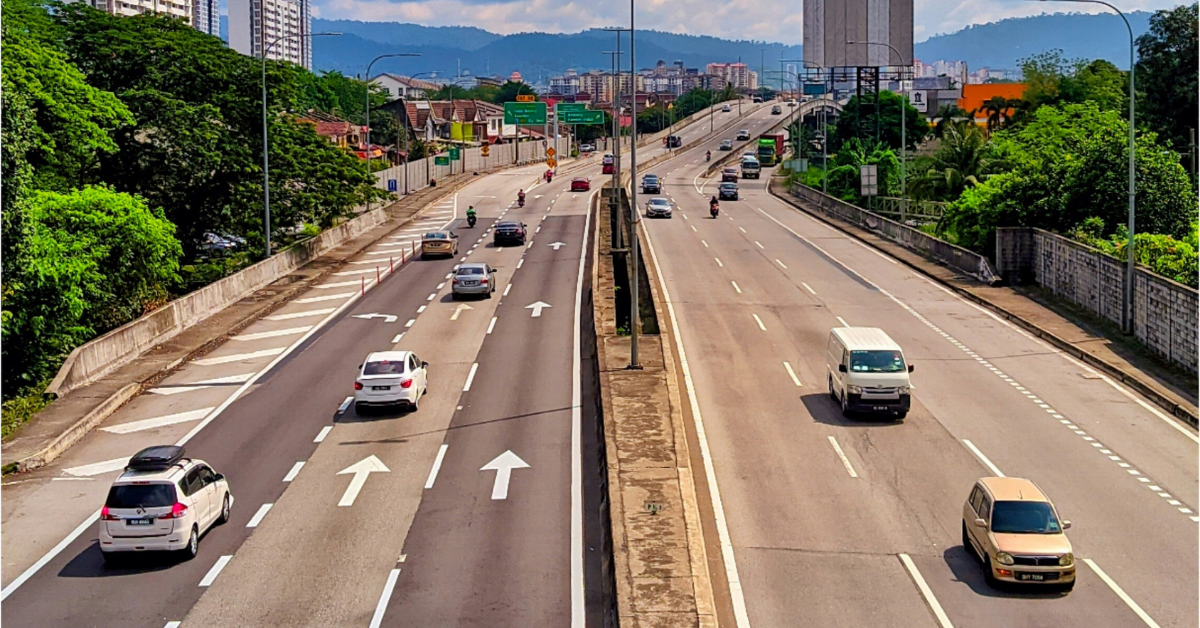
The middle lane on the other hand, can be used for overtaking slower vehicles. The right-most lane should be treated purely as an overtaking lane, not a cruising-at-a-fast-speed lane.
“The more correct concept is to keep left, move to the right to overtake, and once you have completed the manoeuvre, return to the left when it is safe,” she said.
The gist is very simple: if you’re not overtaking anyone, stick to the left. If you’re overtaking, make sure to return to the left when it’s safe to do so.
But even with this knowledge in place, the vast differences in speed between individual drivers can make things a little confusing.
That’s where MIROS’ minimum speed study comes in.
According to the proof-of-concept initiative, motorists in the left-most lane are advised to maintain a minimum speed of 60kph, those in the middle lane should maintain a minimum speed of 80kph, while those in the right lane should maintain a minimum speed of 100kph.

Of course, those figures are only intended for safe conditions, not when it’s raining or heavily congested.
“We also want to minimise speed variation because previously we only had a maximum speed limit. Everyone could drive at their own favourable speed, and the variation could become very large,” Rizati said.
The intended result of a minimum speed is the smoother flow of traffic. It also forces every driver on the road to be more alert of their surroundings. This writer doubts it’ll make them more polite and courteous, though.
Feedback for the minimum speed advisory proof-of-concept so far has generally been positive, according to Rizati. But it’s still early days.
“We still have August, September, and until the end of October, so there is quite a long way to go. We cannot judge it yet,” she said.
Would you want minimum speeds implemented for specific lanes on our highways?
For more news, click here.
Follow JUICE on Facebook, Instagram, and TikTok.

Read more:
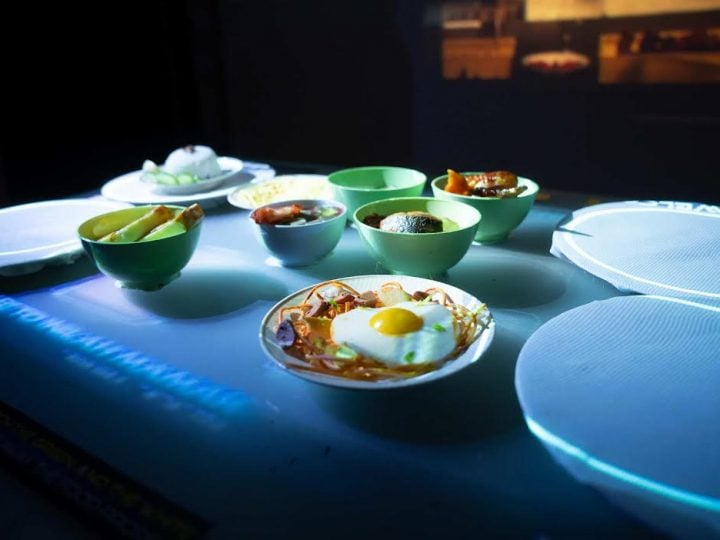
IMMERSIO 2026: This Pasar Opens At 11:00 A.M., But Not For Groceries
Designed to feel a little like wandering through a market itself, moving from one unexpected encounter to another through a mix of interactive experiences.
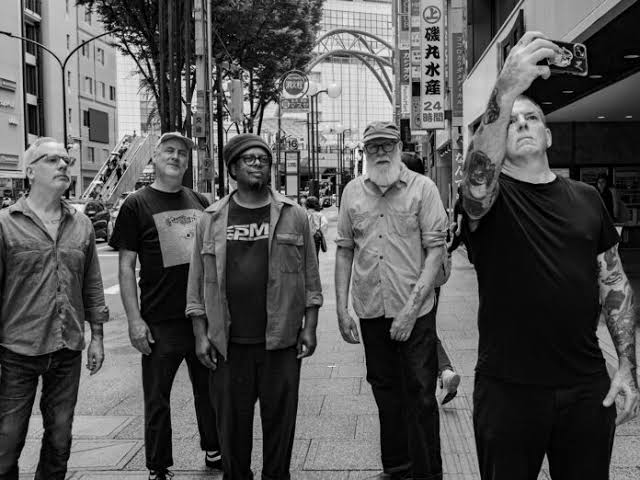
Post-Rock Pioneers Tortoise Are Coming To KL This Sept
Finally coming over to give Malaysian fans the chance to catch the band’s layered, rhythm-heavy sound live in a totally intimate theatre setting!

MILLI’s First-Ever Solo Asia Tour Lands In PJ This Sept
For Malaysian fans, this marks a chance to catch one of Southeast Asia’s most influential rap artists live as she embarks on a landmark chapter of her career.