
 Get Audio+
 Hot FM
 Kool 101
 Eight FM
 Fly FM
 Molek FM
Iran Ambassador: MY Ships To Pass Strait of Hormuz For Free
 Thirsty for JUICE content? Quench your cravings on our Facebook, Instagram, TikTok and WhatsApp
As tensions in West Asia simmer, seven Malaysian ships currently awaiting clearance to pass through the Strait of Hormuz will be able to make their move soon, according to Iranian officials.
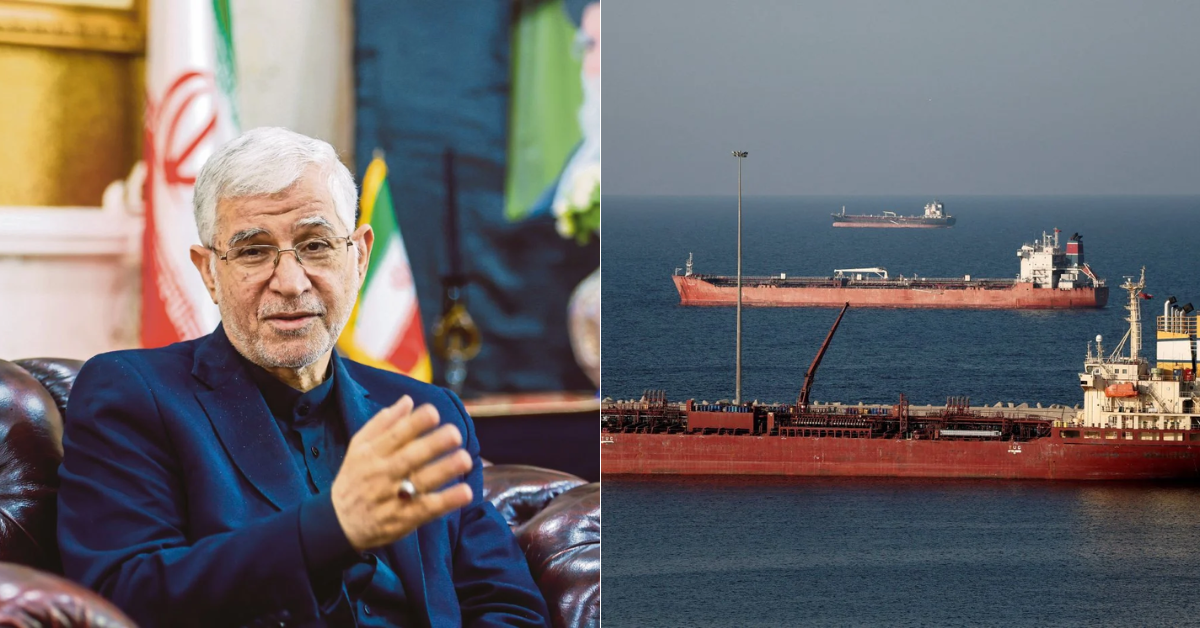
“We received information from Malaysia’s foreign minister that several Malaysian ships are in the Persian Gulf and want to pass through,” Iran’s Ambassador to Malaysia, Valiollah Mohammadi Nasrabadi, told New Straits Times.
“We have considered this, and InshaAllah they will pass. It is no problem as Malaysia is a friendly country, and friendly countries can use the strait.”
Passage through Strait of Hormuz free of charge for Malaysian vessels
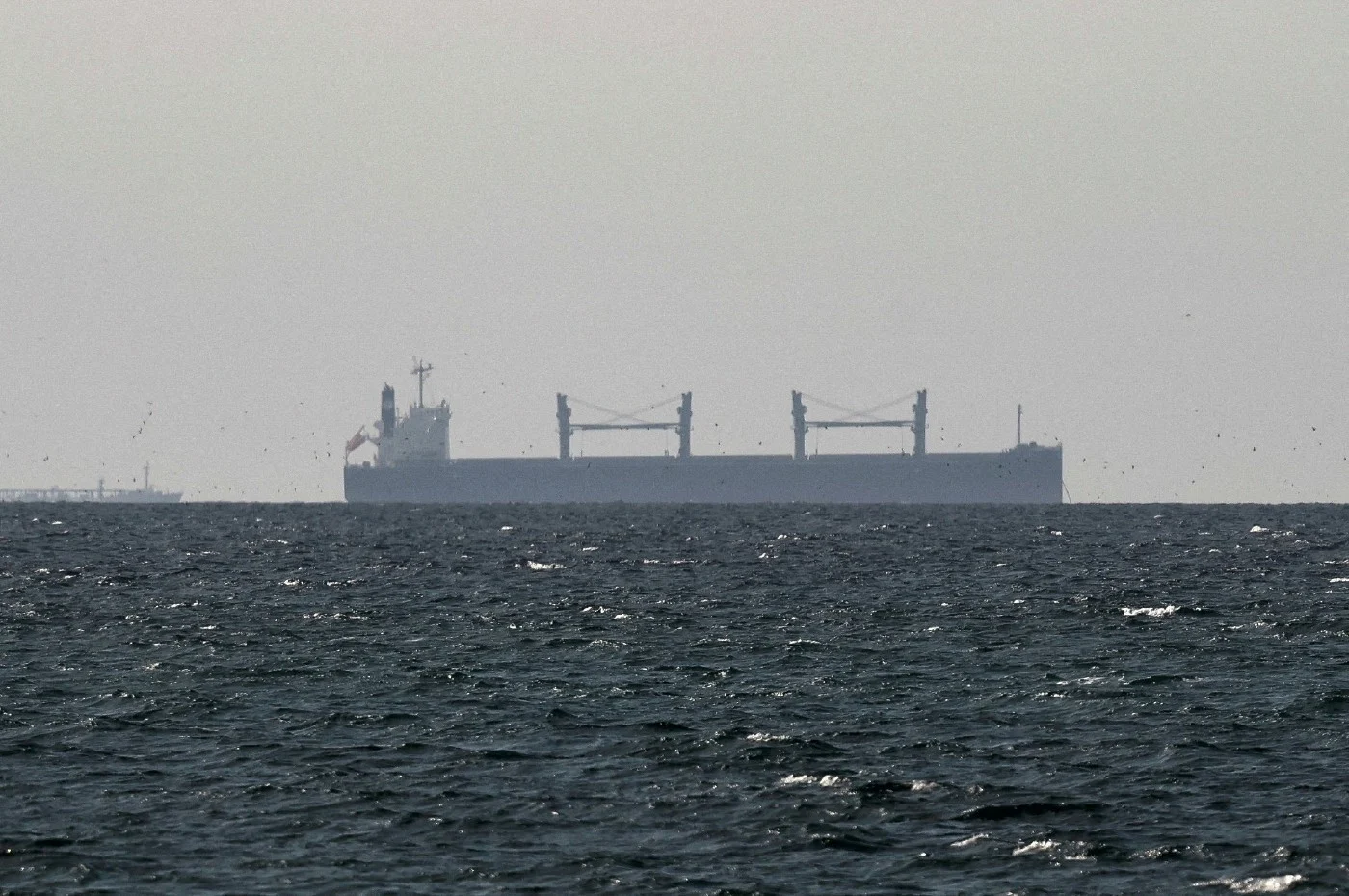
According to Foreign Minister Datuk Seri Mohamad Hasan, the seven vessels comprise three owned by Petronas, two by MISC Bhd, and one each by Sapura Energy and Shapadu Corporation Sdn Bhd. Four of these vessels are reportedly transporting crude oil.
He also stressed that the ships weren’t being detained. They’re merely being put on hold for a safe window to pass, along with an official green light from Iranian authorities.
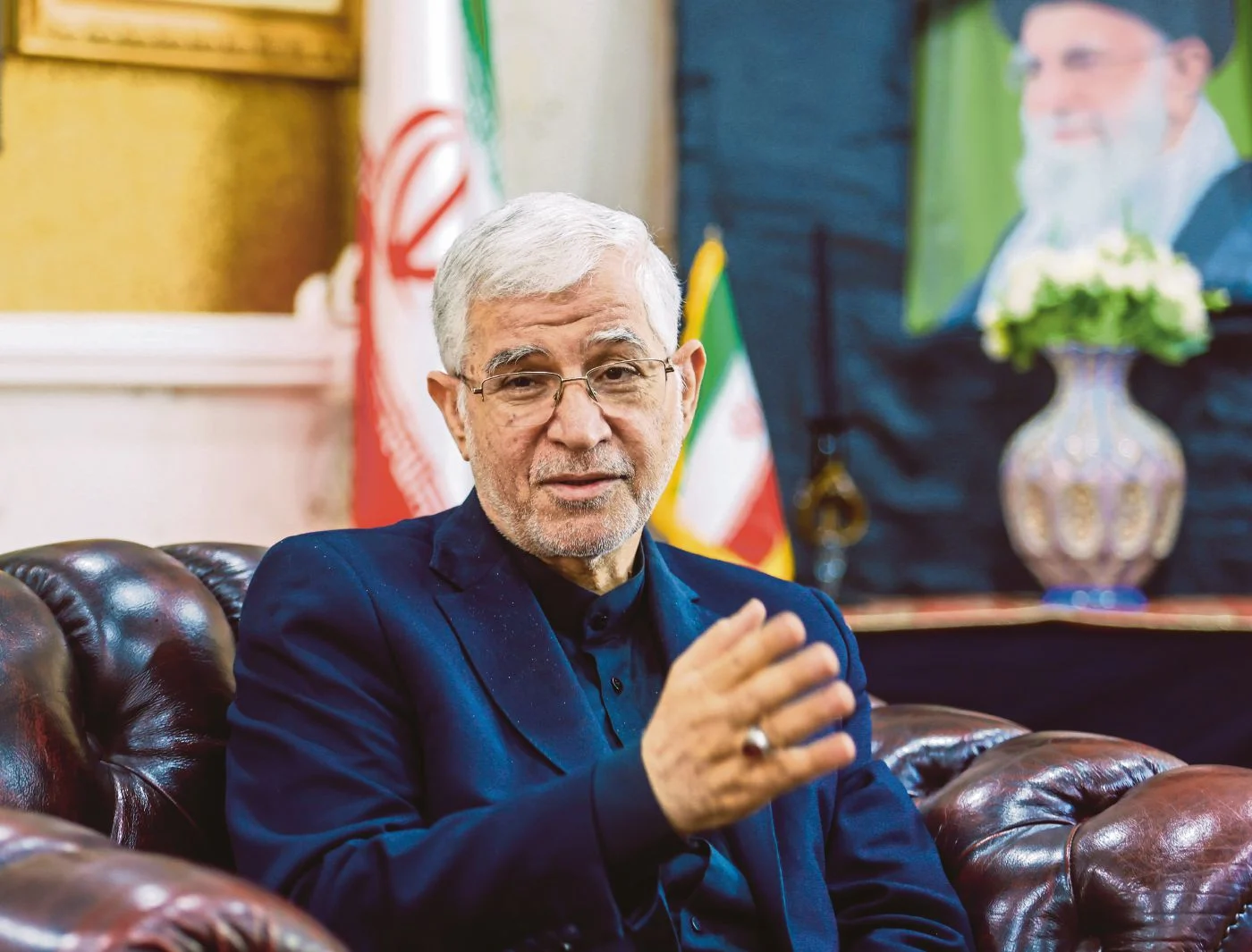
More importantly, Iran’s Ambassador has assured Malaysia that its vessels will be able to pass through the strait unhindered by any toll fees, saying, “Of course (Malaysian ships are free to pass). We will not charge.”
This effectively dispels earlier speculation that Malaysia might have secured safe passage by paying a toll fee, with some estimates putting it at around US$2 million (RM8 million).
Selective restrictions a “lawful response” to recent US-Israel attacks
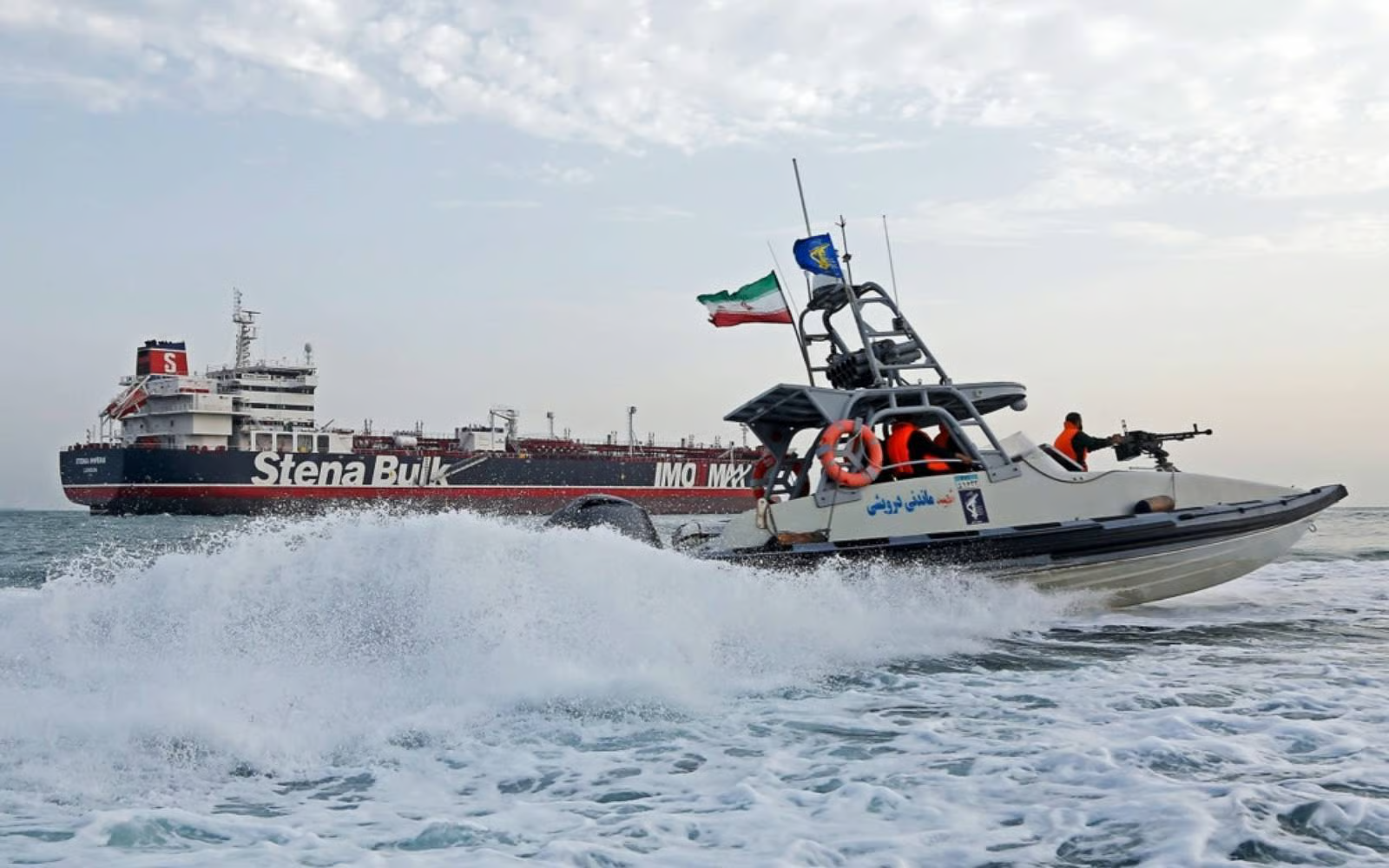
Despite the war, Valiollah says it’s still business as usual in the Strait of Hormuz, at least for nations that Iran deems “friendly”.
“I want to emphasise: the Strait of Hormuz is not closed. It is restricted for some, not all,” he says. “If you attack Iran, you cannot use this strait. But we did not close it.”
Still, the volatility of the conflict is being felt across the world, including Malaysia. The monthly BUDI95 allocation has been decreased to 200L (from its original 300L allocation) to help as a buffer amid rising global oil prices.
Even then, most Malaysians won’t really feel a tangible difference, since 90% of the country consumes less than 200L of RON 95 per month anyway, making the allocation cut a sensible move in the grand scheme of things.
For more news, click here.
Follow JUICE on Facebook, Instagram, and TikTok.

Read more:

30 Y/O Man Arrested After Ramming Cars in Wild Chase at KLIA
Further checks revealed that the man has 31 past offences on his criminal record, along with one outstanding drug-related offence.

MAX Is Hitting KL For The First Time And It’s About To Get Emotional
MAX is finally bringing his viral pop universe to KL, with a high-energy set packed with hits, heartbreak, and singalong anthems you already know by heart.
Someone Tried To Start A Political Party Called ‘Parti Sampai Pagi’ (Yes, Really)
Malaysia already has 72 political parties, with 16 more under review. Some proposed names have caught attention for all the wrong reasons.