
 Get Audio+
 Hot FM
 Kool 101
 Eight FM
 Fly FM
 Molek FM
Malaysia To Study Feasibility of Thorium As Nuclear Energy
 Thirsty for JUICE content? Quench your cravings on our Facebook, Instagram, TikTok and WhatsApp
Malaysia is taking a look into the feasibility of thorium as a source of nuclear power for the country’s long-term energy plans.
According to Deputy Energy Transition and Water Transformation Minister Datuk Seri Abdul Rahman Mohamad, four countries have already expressed their interest in a potential cooperation or partnership in this endeavour, namely France, the US, Russia, and China.
But he also stressed that no country had been selected as a partner yet.
Why thorium, not uranium?
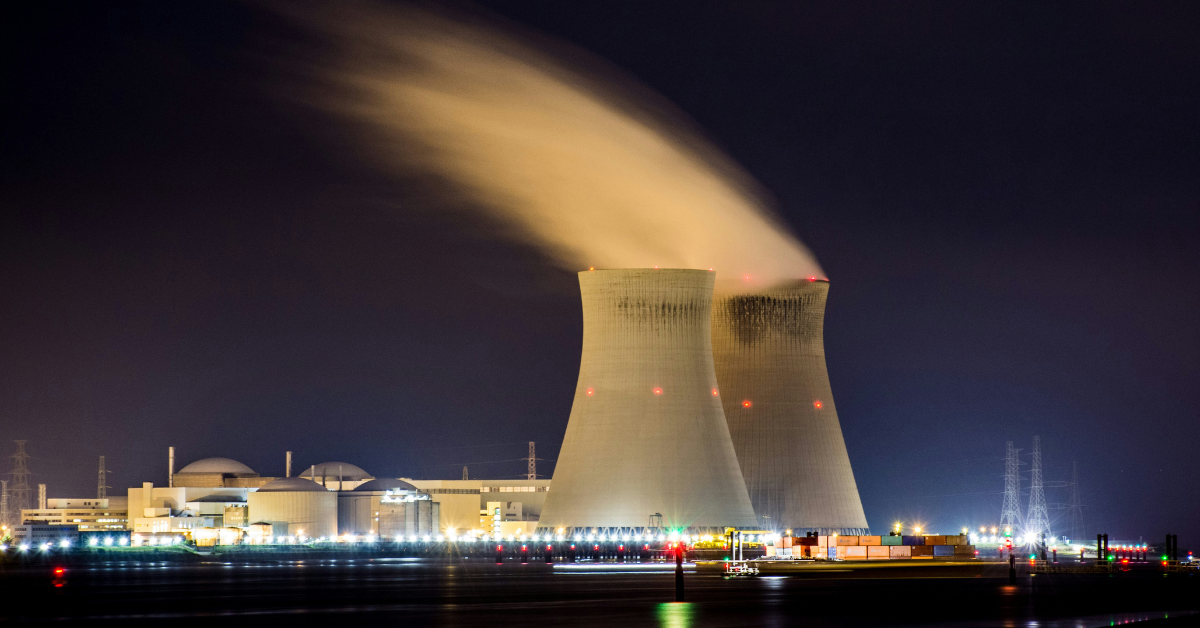
If you’re familiar with the concept of nuclear energy, you’re probably more accustomed to the word “uranium” being thrown around as opposed to thorium.
Uranium is more commonly used to generate nuclear energy simply because the entire industry was built around its fuel cycle (and for its added adaptibility into nuclear weapons, go figure). It’s a “fissile” material, which means it can sustain a nuclear chain reaction all on its own.
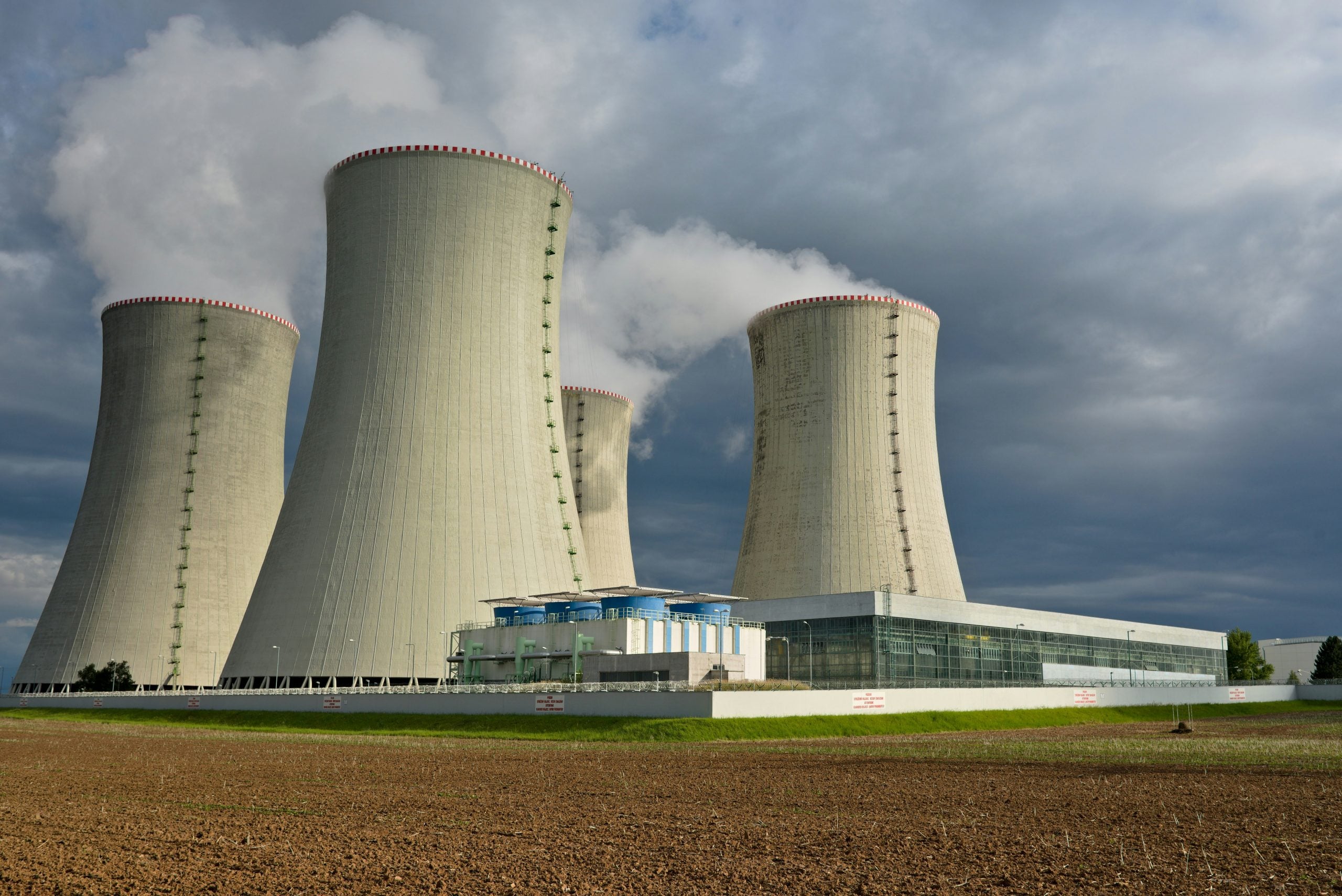
Thorium, on the other hand, is a “fertile” material. This means it can’t sustain a reaction alone, and must be combined with a fissile material like enriched urainium in order to generate power. It’s also three to four times more abundant in the Earth’s crust than uranium, making it a more attractive future energy source.
But most importantly, thorium nuclear reactors would theoretically produce less long-lived radioactive waste than uranium, making it safer to handle in the long run. It’s not a renewable energy by any means, since it’s still a finite material, but it’s definitely a cleaner energy alternative if handled correctly.

Leading the study on Malaysia’s nuclear power feasibility is MyPower Corporation, according to Rahman. Until the technology is found to be safe, sustainable, and beneficial, no nuclear power plant would be considered yet.
In the near term, Malaysia is prioritising commercially viable renewable sources, including solar photovoltaic, tri-generation, biogas, and hydropower.
The country does not currently operate any nuclear power plants, instead relying on fossil fuels and renewable energy sources to sustain the country’s electricity needs. But a future nuclear-powered Malaysia might not seem like such a far-fetched idea.
For more news, click here.
Follow JUICE on Facebook, Instagram, and TikTok.

Read more:

Syed Saddiq To Celebrate Acquittal With 170km Run From Putrajaya To Muar
The journey will begin after the Dewan Rakyat sitting ends on 16 July, with Syed Saddiq expected to arrive in Muar on Sunday, 19 July.

Economy Minister: Cost of Living Outpacing Income Growth
The bar for what’s considered “poverty” in Malaysia has been lowered, which serves to include a much larger group of people in that category.

Rare School Of Up To 150 Whales Spotted Off Tioman Island
A diver’s footage of up to 150 whales off Tioman Island has captivated social media, with experts now working to identify the species behind the rare sighting.