
 Get Audio+
 Hot FM
 Kool 101
 Eight FM
 Fly FM
 Molek FM
Why Malaysians Are Always Locked Out of Their Own Concerts
 Thirsty for JUICE content? Quench your cravings on our Facebook, Instagram, TikTok and WhatsApp
It’s a scene we’re all too familiar with by now: an international act announces a stop in Kuala Lumpur, local fans brace themselves for war come ticket day, only to watch helplessly as tickets disappear within hours, and sometimes minutes.
Before most Malaysians can key in their payment details, the show’s sold out and scalpers have already marked up ticket prices by the thousands.
A system designed for the fastest people (or bots)
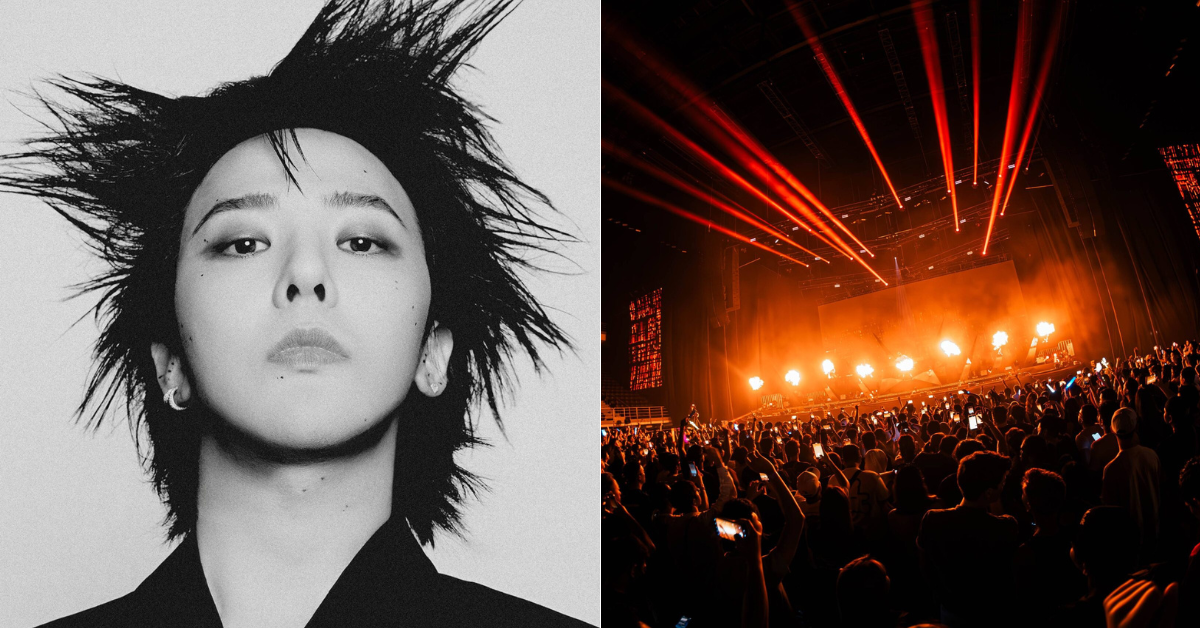
The recent hoo-ha surrounding G-Dragon’s concert in KL (19 & 20 July) is just the latest example of this frustrating pattern.
Despite the intense hype, local fans were once again edged out of ticket sales, this time by oversees fans from Mainland China, who reportedly swooped in and swiped a huge chunk of tickets during the official sale. And it’s not like the arena was a small one either. Axiata Arena can seat 16,000 people.
CAT8 hadir ♀️.
Penat ah. Scalpers je yg jual ticket kat venue. Kalau nak masuk, memang kena beli dari scalpers. Sorry GD, we Malaysians could not go inside to see you, next time we will see you again but hopefully with a different organiser #GDRAGONINKL #GDinKL#GdragoninMY pic.twitter.com/GKN8vSCSAx
— Jade Woo (next: RIIZE ➡️ Hyeri ➡️ Baekhyun ➡️ D.O (@jadesw_97) July 19, 2025
Still, videos surfaced of Malaysians standing outside the venue, listening in on the concert’s echoes because they couldn’t secure their own tickets. If anything, it shows that Malaysian fans are fiercely loyal, even if it means listening from the carpark.
Let’s be clear, though. None of this frustration is directed at G-Dragon himself, nor the organisers (who are just following standard market practices). Instead, it’s aimed squarely at ticketing systems that seem to treat local fans like an afterthought. But why exactly is this happening?
The issue boils down to accessibility, or more accurately, the lack of it. In an increasingly globalised ticketing market, Malaysians are being forced to compete with international buyers who have deeper pockets, faster internet, and in some cases, entire automated bot systems that can buy tickets in a fraction of a second.
It’s simply not a fair fight. And the result? Locals either pay obscene prices to scalpers or miss the show altogether.
Meaningful change can be made
For starters—and this is something many Malaysians have already asked for—there needs to be IC and name verification during ticket sales. If government agencies can verify identities in real-time, surely ticketing platforms can do the same.
Requiring a valid Malaysian IC number before purchase (at least during the first 24 to 48 hours of release) could give local fans a real chance before international buyers show up.
But of course, even this kind of system is prone to failure. What if there aren’t enough local fans to buy the tickets? Plus, having international fans pay money to see an act in our country also helps boost the local economy. How do we strike a balance between local and international concert-goers?
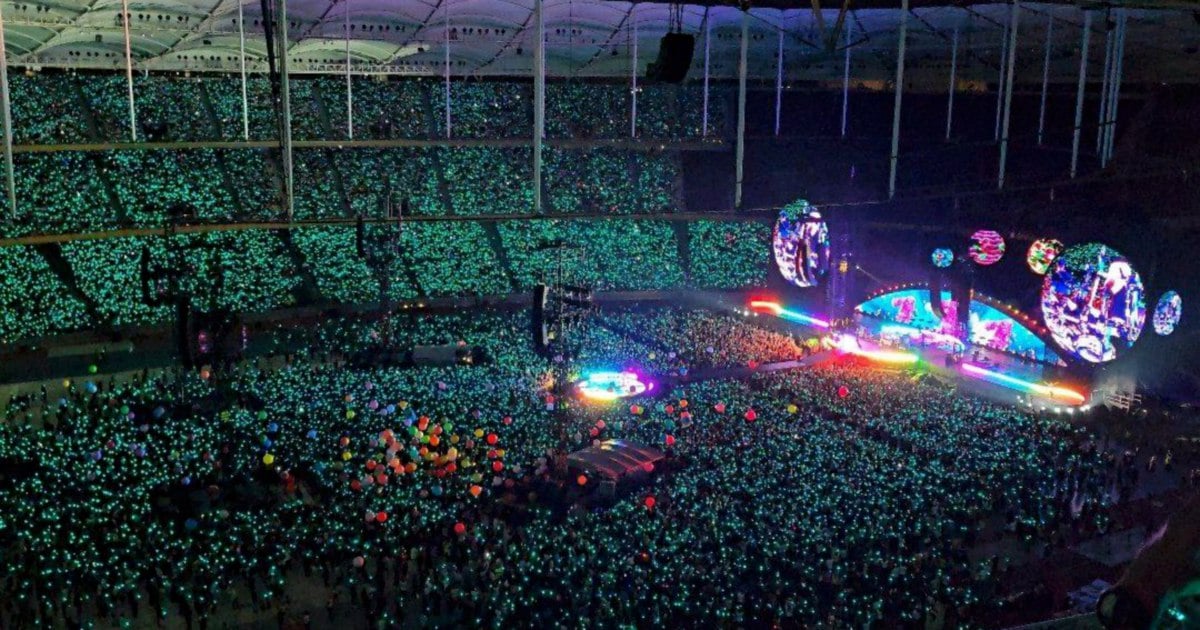
That’s where a quota system comes in. Set aside a guaranteed percentage of tickets, say 60 to 70%, for Malaysians during the initial sale window. Open up the rest later for international fans once the locals have had their shot. This isn’t about gatekeeping; it’s about fairness.
After all, shouldn’t the home crowd have first dibs on a concert happening in their own city? I don’t know about you, but it sure as hell makes a lot of sense to me.
And please, please, please—a major crackdown on scalpers needs to happen. This can be done by implementing better tracking on purchases, limiting the number of tickets one account can buy, and introducing tech that can detect and block bots.
I may not be a software engineer, but it surely can’t be that hard… Can it?
It’s about protecting the fans
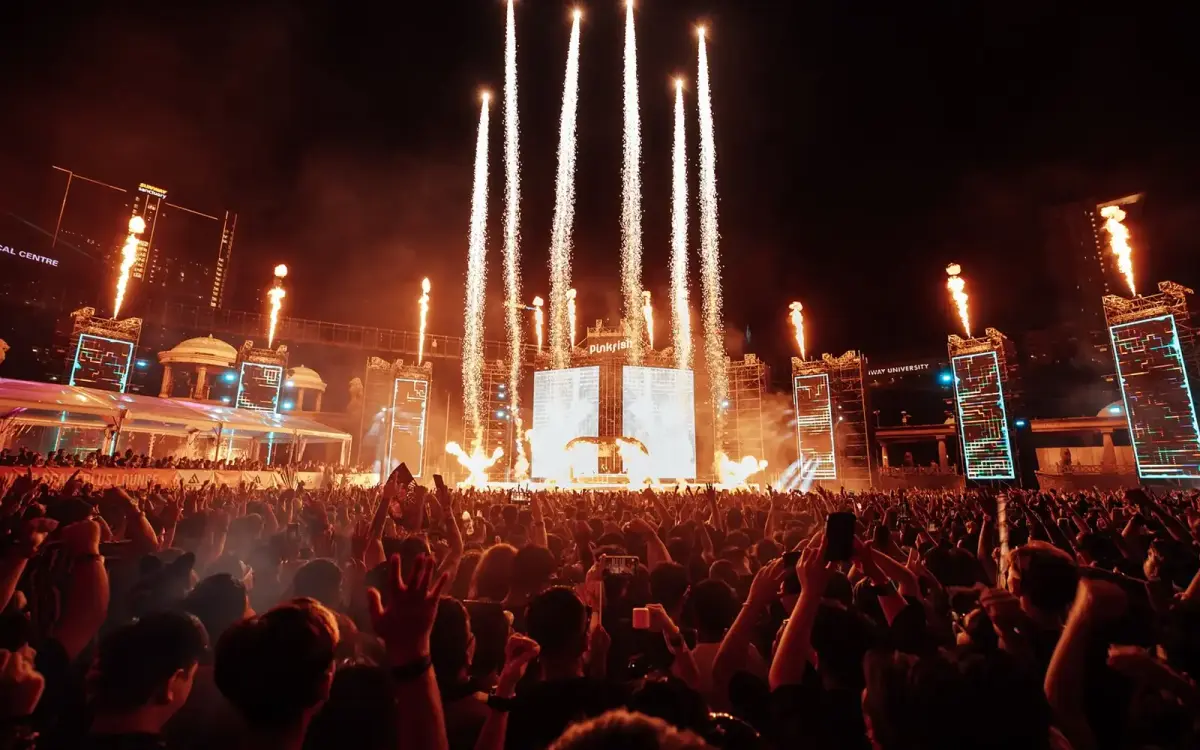
Ultimately, if Malaysia is serious about establishing itself as a major tour stop for global acts, it has to get serious about protecting its fans. At the moment, it kinda feels like we’re hosting the party, paying for it, and not getting a seat at the table.
Malaysians aren’t asking for special treatment per se. They just want a fair chance to see their favourite artists live, not through someone’s livestream or through muffled walls outside the stadium.
They’re really not asking for much.
For more music stories, head to JUICE Malaysia.

Read more here:

Guccimith & Zhe Kamil Celebrate Women’s Power in New Single ‘INDEPENDENT’
“INDEPENDENT,” the latest single from Malaysian duo Guccimith & Zhe Kamil, is a fierce and luxurious sonic tribute to confident, powerful, and classy women.

Against Mel Drops Debut Album ‘SCENTS / SENSES’ Featuring Nakalness, Citybois & More
‘SCENTS / SENSES’ isn’t just a debut; it’s an aromatic journey that reflects growth, restraint, and a deeper dive into Against Mel’s evolving artistry.

SHN’s ‘body count’ Is A Battle Cry For The Emotionally Over It
‘body count’ sounds like a breakup song on the surface, but listen closely and it’s more like an autopsy. SHN isn’t mourning anything. She’s dissecting it.