
 Get Audio+
 Hot FM
 Kool 101
 Eight FM
 Fly FM
 Molek FM
INTERVIEW: Awich Discusses Nature, Female Empowerment & ‘ASIAN STATE OF MIND’
 Thirsty for JUICE content? Quench your cravings on our Facebook, Instagram, TikTok and WhatsApp

Japanese rap icon Awich is back with her highly anticipated single, ‘ASIAN STATE OF MIND‘—a hard-hitting cypher uniting some of the biggest names in Asian hip-hop.
The track features Jay Park (South Korea), KR$NA (India), Masiwei (China), and VannDa (Cambodia), bringing together diverse flows, languages, and cultures in a powerful cross-border collaboration.
To celebrate the release, JUICE spoke to Awich about the significance of amplifying Asian voices in the global hip-hop scene and what ‘ASIAN STATE OF MIND’ represents for the future of rap in the region.
Here’s a summary of our conversation:
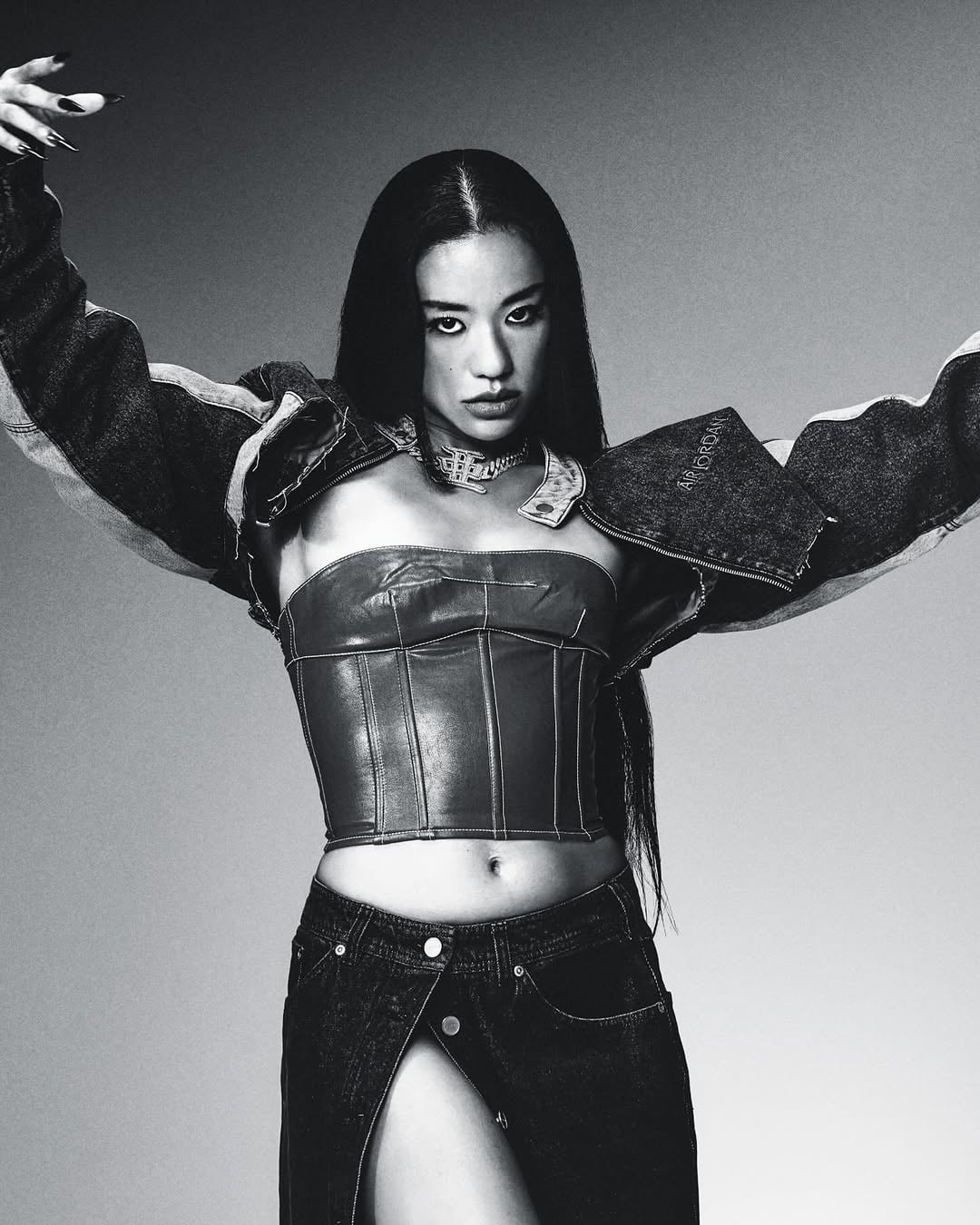
Hi Awich, ‘ASIAN STATE OF MIND’ brings together some of the biggest names in Asian hip-hop. How did this collaboration come together, and what was the vision behind the track?
All of us, individually, have talked about doing a track together, and I’ve also discussed the topic of unity with my team because it was what we did in Japan. Previously, we did a project to unify the female rappers here, and we also did a project to unify Okinawan rappers so that everybody could flourish. So, I wanted to do that for Asia.
Of course, each of these rappers on the track is already big in their own country, so I’m sure they don’t need any help to flourish or anything like that. But we did this for all the other Asian artists, as well as all the people who are outside of Asia, to see what the Asian rap scene is like right now. I feel like it worked as a door for people to get familiar with the Asian rap scene.
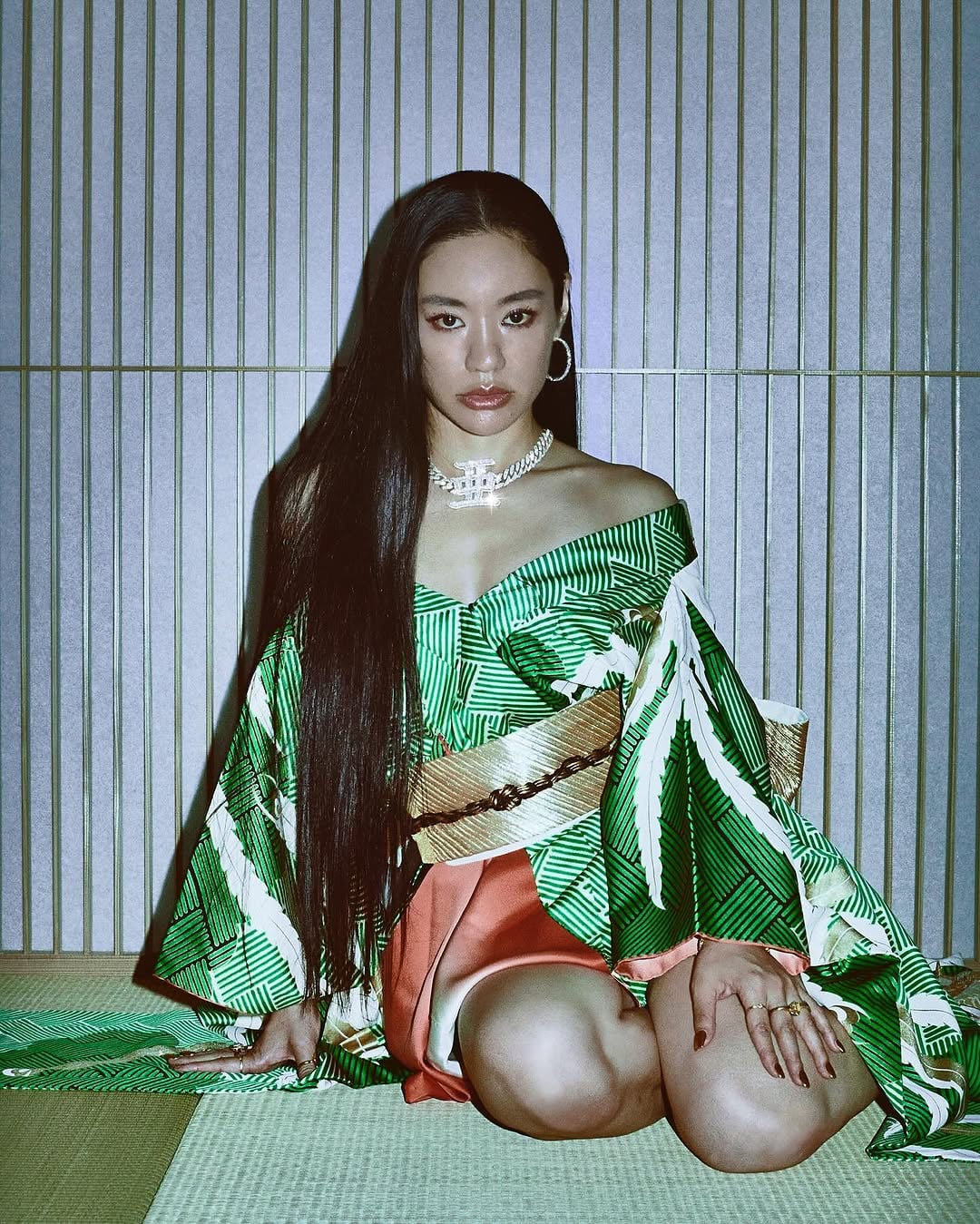
The song carries a strong message of Asian identity and pride. What does “Asian State of Mind” personally mean to you?
For me, it means to coexist with nature and understand how it works. In nature, there is light and darkness, and it requires balance. Humans are not special beings in this world, but we are part of nature. And to me, that is what can keep us grounded.
That’s what the Okinawan way of life has taught me, and that’s probably why I’m still able to keep my sanity in this really crazy work schedule while travelling to different places and facing difficulties. We’re just a small part of this huge universe, so that’s what keeps me strong. That is the “Asian State of Mind.”

You’ve been at the forefront of Japanese hip-hop for years. How do you think your style and message have evolved?
Growing up as a small artist who was then put on a bigger stage comes with a lot of responsibility. I have a lot of eyes on me, and I always have to be responsible for what I say, what I do, and what I put out. Sometimes, the experience can be negative, like I have no freedom, and I have to constantly check my work with people around me. But it also means that we have a combined power, and I always have a great team that will always be there for me and check on me.
So, those are the pros and cons of what I do. But with your artistry, you just have to keep sharpening your skills within your own time. You have to keep working on your craft despite constantly checking with your team if they’re okay. As far as what I put out as an artist to the world, it comes with a lot of responsibility nowadays, and that’s definitely different from what it used to be when I was not this big.

Hip-hop has historically been rooted in Western culture. How do you think Asian artists are redefining the genre on their own terms?
While hip-hop is mostly influenced by Western culture, it is mostly based on struggle. Hip-hop is about giving a voice to the voiceless, and that’s why it reaches the corners of the streets and eventually, the world.
For young people, hip-hop is special because it’s able to help them find their way through life while also trying to find their identity—it’s a tool for them. In the West, we see that black people struggle the most, and they use hip-hop to empower themselves. That type of ingenuity managed to inspire people who are struggling in different parts of the world, including Asia.

The Japanese hip-hop scene is rapidly growing with new powerful female rappers and also legends that have helped carry the industry. What does it feel like to be part of this revolutionary movement for women in the music scene there?
For me, it’s not just giving power to the girls; it’s for all the people who embrace their femininity, regardless of their gender. Like I said before, I value the fact that we are part of nature, and in nature, there’s yin and yang. There’s light and darkness, as well as females and males. The world can’t be just black and white; it needs a lot of mixture.
So, for me, I’m not just part of the female empowerment movement; it’s empowerment for all of the genders that have that feminine side. Even if you identify as a boy, you should be proud of the fact that you’re sometimes in touch with the feminine quality. I feel like that movement should be about that, and if it’s about that, I’m proud to be a part of it.
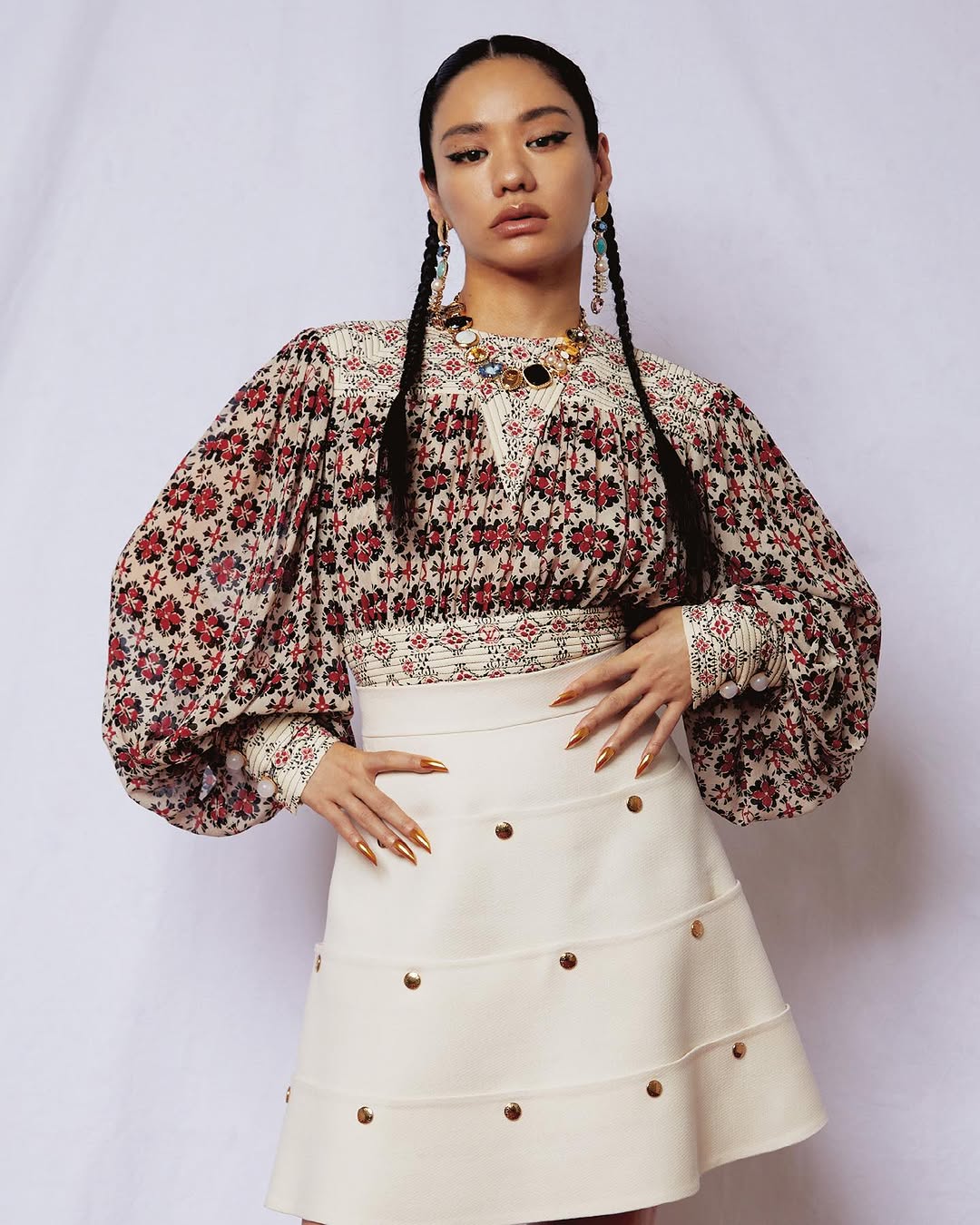
What advice do you have for young women out there?
Understand yourself, because if you don’t, you will have a hard time loving yourself. Try talking to yourself while sitting with your fears and facing your complex. Have a dialogue with yourself; write diaries to understand why you feel certain things before you try to understand others or start blaming others. Please understand yourself first, and then go out there and try to understand the world.
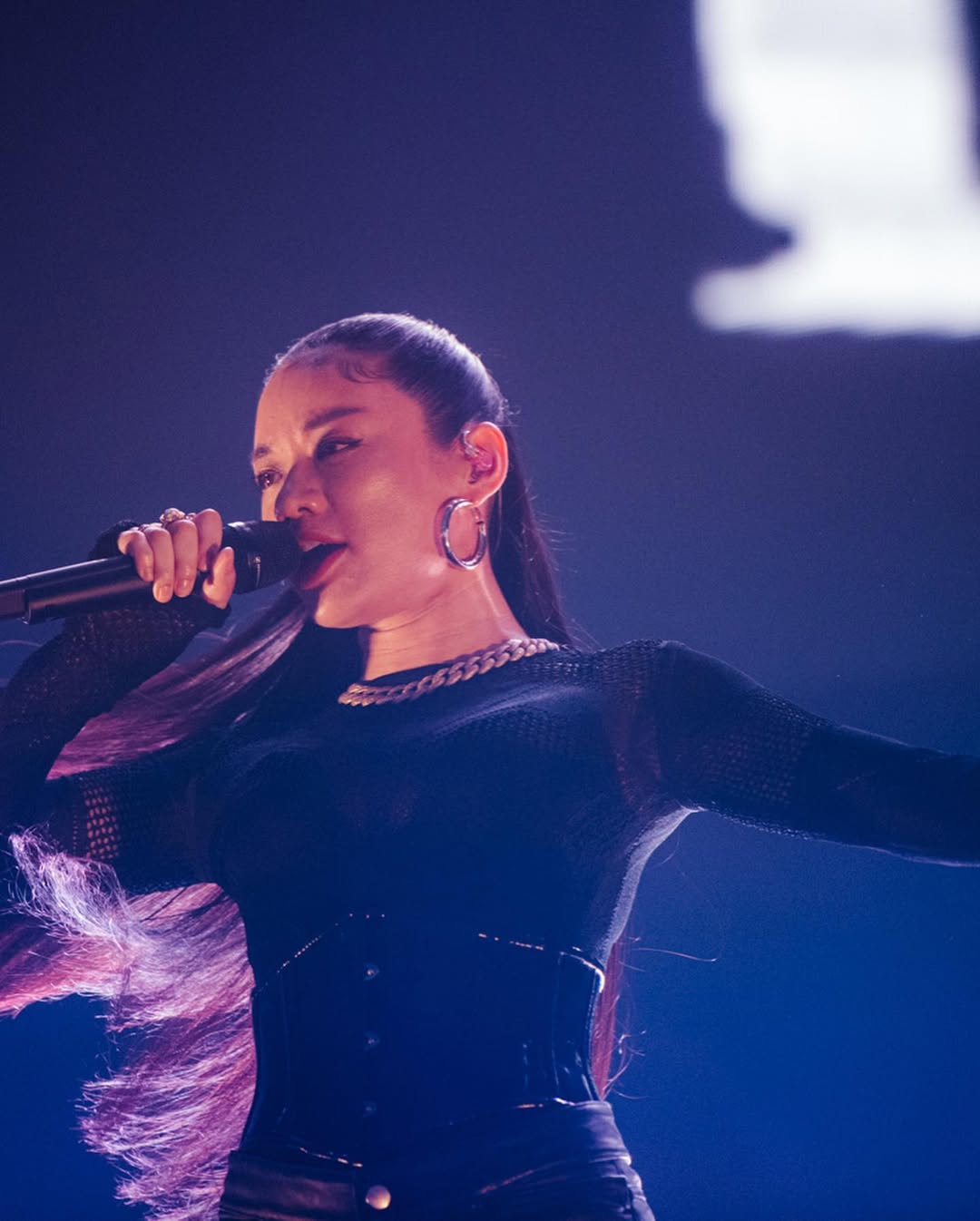
Since you’ve collaborated with a lot of Asian artists out there, are you open to collaborating with any Malaysian acts?
Yes, for sure! Who would you recommend I check out?
I’d recommend Lil Asian Thiccie, SYA, and Zamaera. I think their style fits yours as well, especially in a song together.
Great, I’ll check them out soon. Thank you for the recommendation, and I’ll keep JUICE in mind!
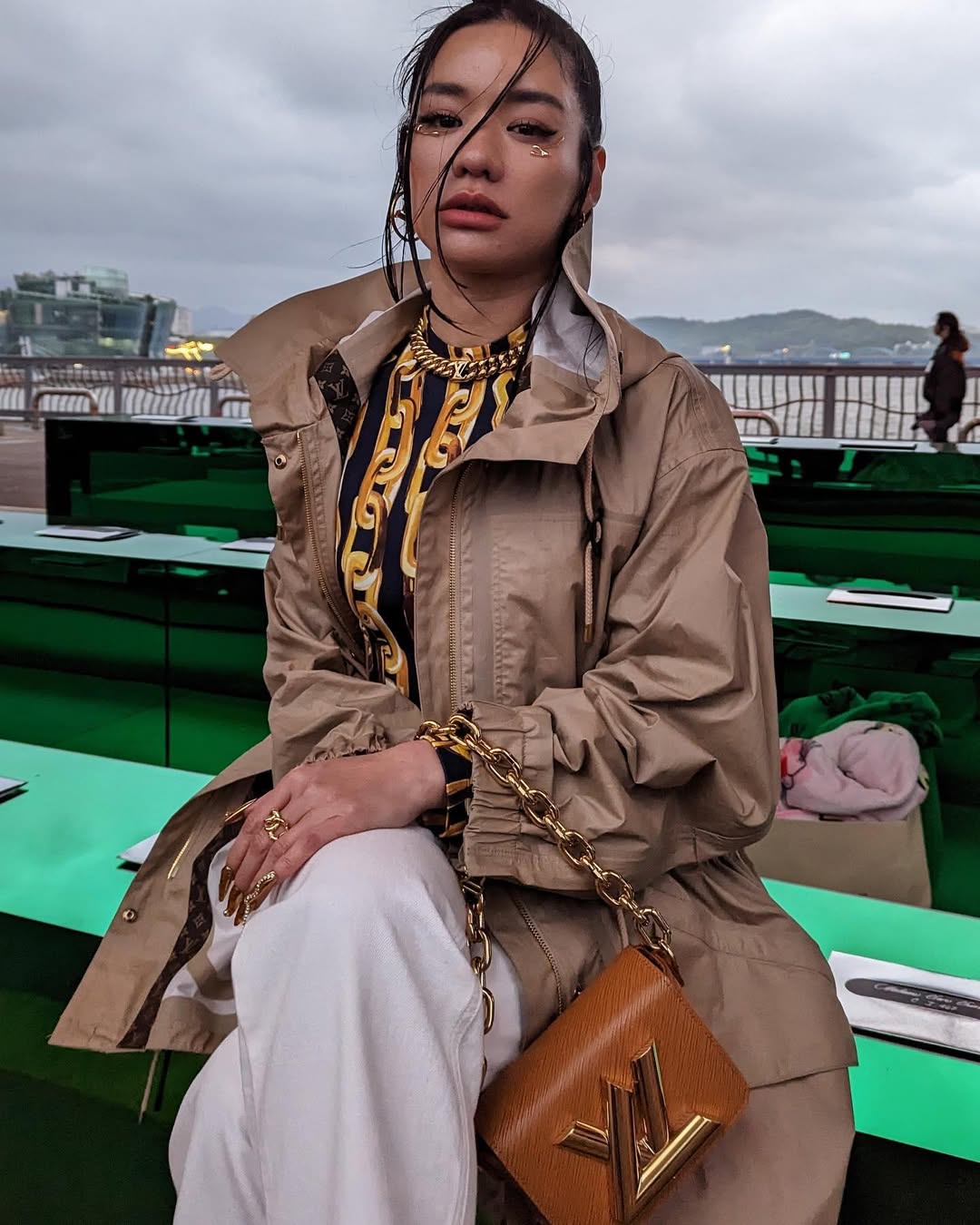
With ‘ASIAN STATE OF MIND’, Awich isn’t just dropping another cypher—she’s building bridges across borders, uniting some of the fiercest voices in hip-hop, and proving that Asian rap belongs on the world stage. Her vision of empowerment, identity, and artistry goes beyond music, shaping a movement that challenges stereotypes and redefines the global hip-hop landscape.
As she continues to push boundaries, one thing is clear: this is just the beginning. And with her open interest in collaborating with Malaysian artists, who knows? The next cross-Asian anthem could be right around the corner.
Watch the music video here:
Follow Awich on Instagram to stay updated with her latest music.
Read more music-related stories on JUICE here.

Taste a sip of our JUICE here:

Lady Gaga’s SG Concert Tickets Are Selling Fast & Scalpers Are Reselling Them For RM100K
A listing on Carousell advertised VIP tickets at an astronomical SGD30,000 (approximately RM100,000) before it was removed.

King Charles III Spotlights Siti Nurhaliza in New Apple Music Playlist
The show serves as more than just a playlist, it pays tribute to the deep musical and cultural ties that bind the 56 nations of the Commonwealth.
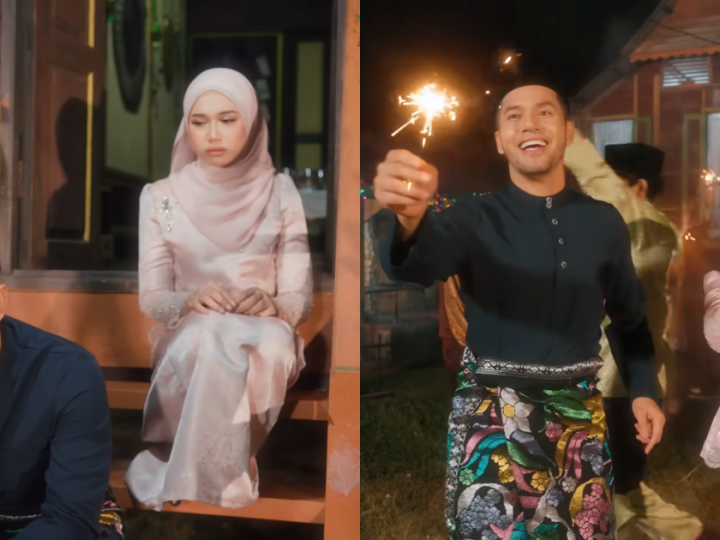
Aliff Syukri Finally Receives Praise For His Heartwarming Raya Music Video With Iman Troye
Gone are the flashy and controversial skinsuits—this time, Aliff and Iman opted for traditional attire, better choreography, and vocal arrangements!
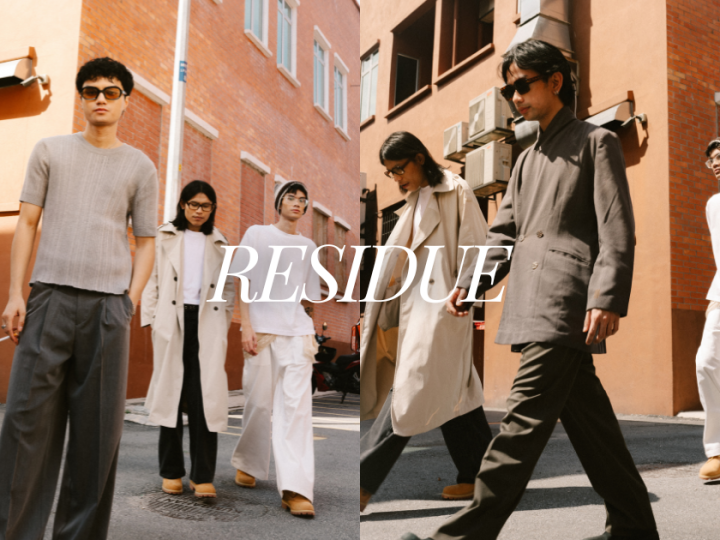
Midnight Fusic Returns With Bold Sounds In New Single ‘Residue’ After 3-Year Hiatus
This track marks the first glimpse into their upcoming EP, Modus Operandi, slated to drop in May 2025.