
 Get Audio+
 Hot FM
 Kool 101
 Eight FM
 Fly FM
 Molek FM
Global Warming Is Increasing Malaysia’s Jellyfish Population
 Thirsty for JUICE content? Quench your cravings on our Facebook, Instagram, TikTok and WhatsApp
We’re all too familiar with the devastating effects of climate change. The effects are especially pertinent in coastal areas, where the sea is slowly (but surely) shrinking coastlines and encroaching on heavily populated areas.
Add that to the fact that we’re only accelerating it, despite global efforts to mitigate global warming. Animals are losing their habitats, crops are getting harder to grow due to unpredictable weather, and more.
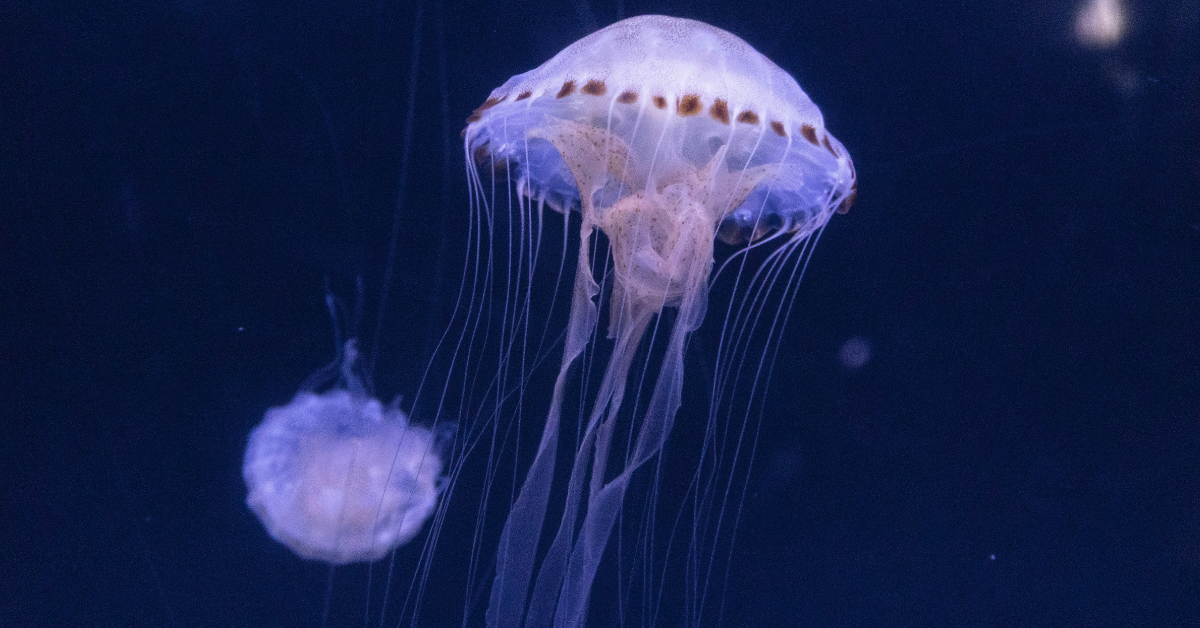
But surprisingly, jellyfish are one of the few species on Earth benefitting from it, with global populations increasing due to rising sea temperatures. While that might seem like a “nature is healing” moment, it’s actually the complete opposite, and we should all be worried.
Warmer sea temperatures = less rivals, more time to reproduce, and a wider area to spread out
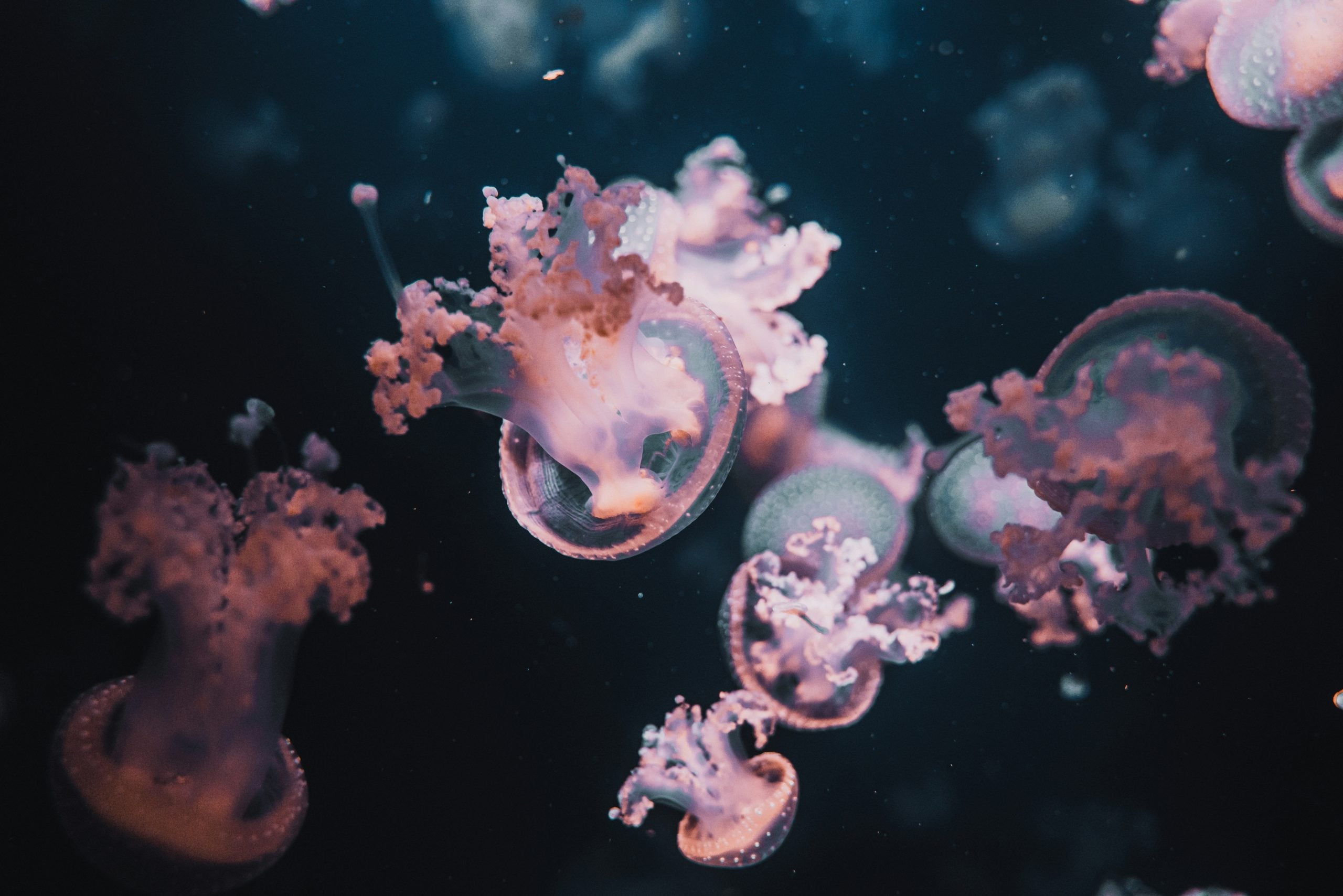
You’re probably wondering why warmer sea temperatures are a good thing for jellyfish. If the subheading above isn’t enough, here’s a more detailed explanation.
Rising sea temperatures speed up the release of juvenile jellyfish, which in turn shortens the time it takes for them to reach maturity. At the same time, they’re faced with less rivals (other marine life), since fish and shellfish struggle or die in warm, low-oxygen waters.
And then there’s the issue of overfishing, which we humans 100% contribute to. We’re helping get rid of jellyfish rivals and predators, tipping the natural order onto its side. This then allows jellyfish populations to multiply significantly, helping them spread out over a wider area than before.
This means you’re more likely to come across a jellyfish now than you were, say, 40 years ago, simply because their population has grown exponentially with rising sea temperatures.
While that might seem like a huge win for jellyfish, it’s quite detrimental to every other species, including us humans. They eat all the tiny fish eggs and baby fish, reducing the populations of entire species.
At the same time, they also eat the food that our food eats. Which means we get less of it in the end. But one of the more immediate dangers of a blooming jellyfish population is having an unfortunate encounter with one, especially if they’re a venomous species.
Malaysia has a considerable and diverse jellyfish population

Up to 34 different jellyfish species have been documented in Malaysian waters, including the Australian box jellyfish, which is widely regarded as the deadliest in the world. One sting can cause excruciating pain and even induce cardiac arrest, killing a full grown adult in minutes.
Between 2000 and 2010, the Journal of Travel Medicine documented three fatal box jellyfish stings involving tourists in Malaysia. More recently in November 2025, a two-year-old Russian boy sadly passed away after being stung in shallow water at Pantai Cenang, Langkawi.
In August of the same year, 30 children were stung during an open-water race in Teluk Senangin beach in Lumut, Perak. In 2024, there were 73 jellyfish sting cases in Langkawi.
But what happens if you’re stung by a jellyfish? Urinating on the sting site doesn’t help, it’s just a myth.
“Visible tentacles should instead be rinsed away gently using seawater before immediate medical treatment is sought,” urges emergency physician and clinical toxinologist Ahmad Khaldun Ismail.
But to reduce your chances of getting stung in the first place, awareness is always the best preventative measure. Always be on the lookout for signs warning of a jellyfish presence. But if you want to be extra safe, a Lycra stinger suit is your best option.
For more news, click here.
Follow JUICE on Facebook, Instagram, and TikTok.

Read more:

Malaysia Aims To Produce First Local Human Vaccine by 2028
Aside from cutting costs, a locally produced vaccine will also help Malaysia better prepare for future health crises, like the COVID-19 pandemic.

Malaysia’s Women-Only Coaches Shine in French Documentary
“I love the women-only coach because it’s about giving women a choice, not taking choices away,” says one Malaysian Instagram user.

Six Men Charged Over RM7 Million Petaling Jaya Kidnapping
Family members were also present as the six men were led into the court building. They are expected to appear before Sessions Court judge Dr Syahliza Warnoh.