
 Get Audio+
 Hot FM
 Kool 101
 Eight FM
 Fly FM
 Molek FM
PM Anwar Slams Norway’s Last-Minute Cancelled Missile Deal
 Thirsty for JUICE content? Quench your cravings on our Facebook, Instagram, TikTok and WhatsApp
Malaysian Prime Minister Anwar Ibrahim has slammed Norway’s decision to cancel a major missile deal, despite Malaysia already having paid nearly 95% of the contract value before Oslo revoked the approvals in March of this year.
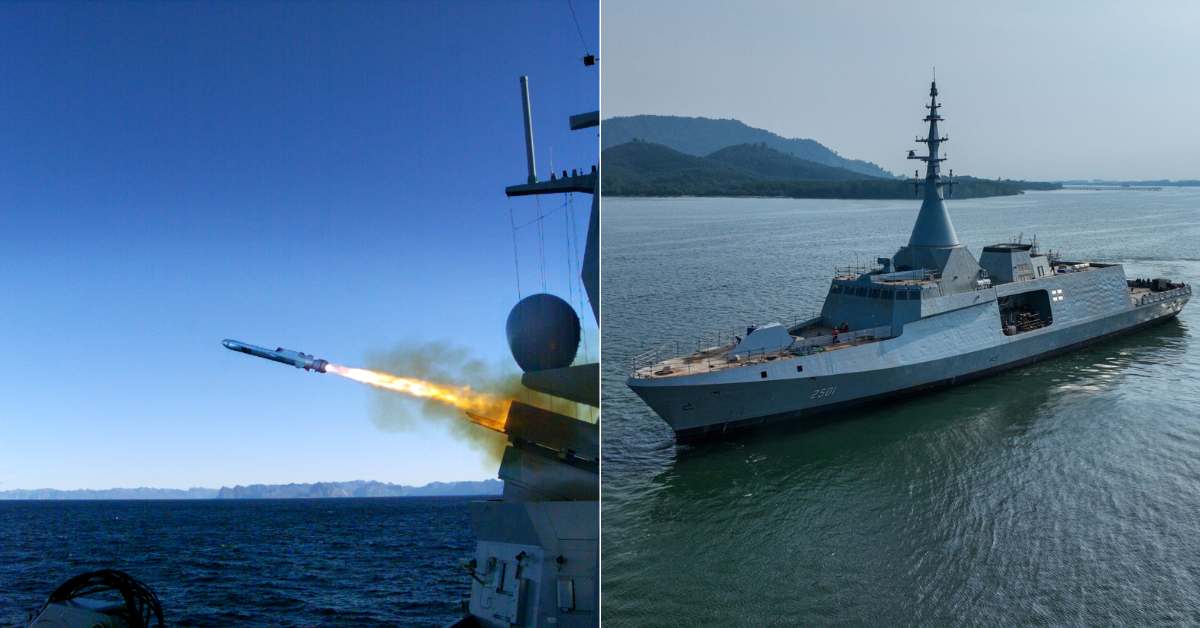
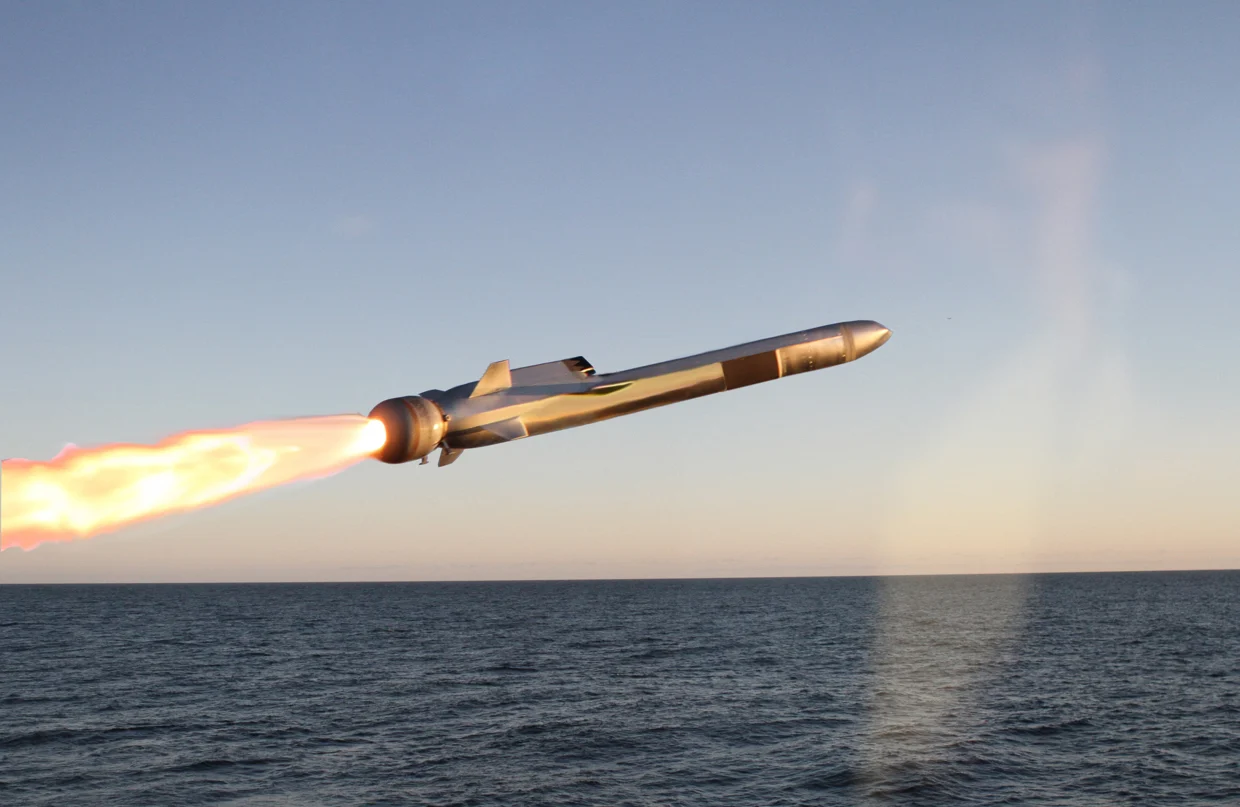
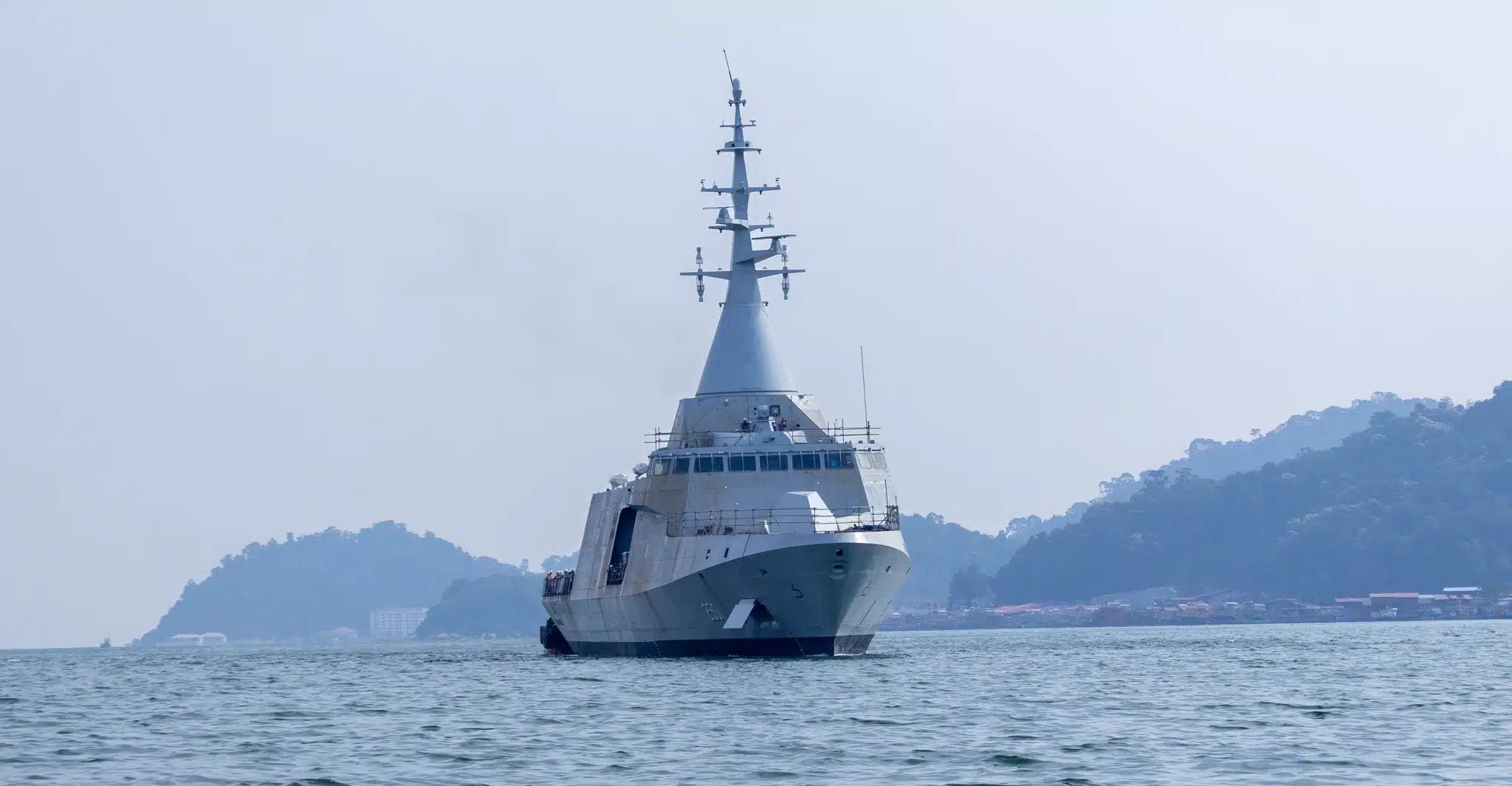
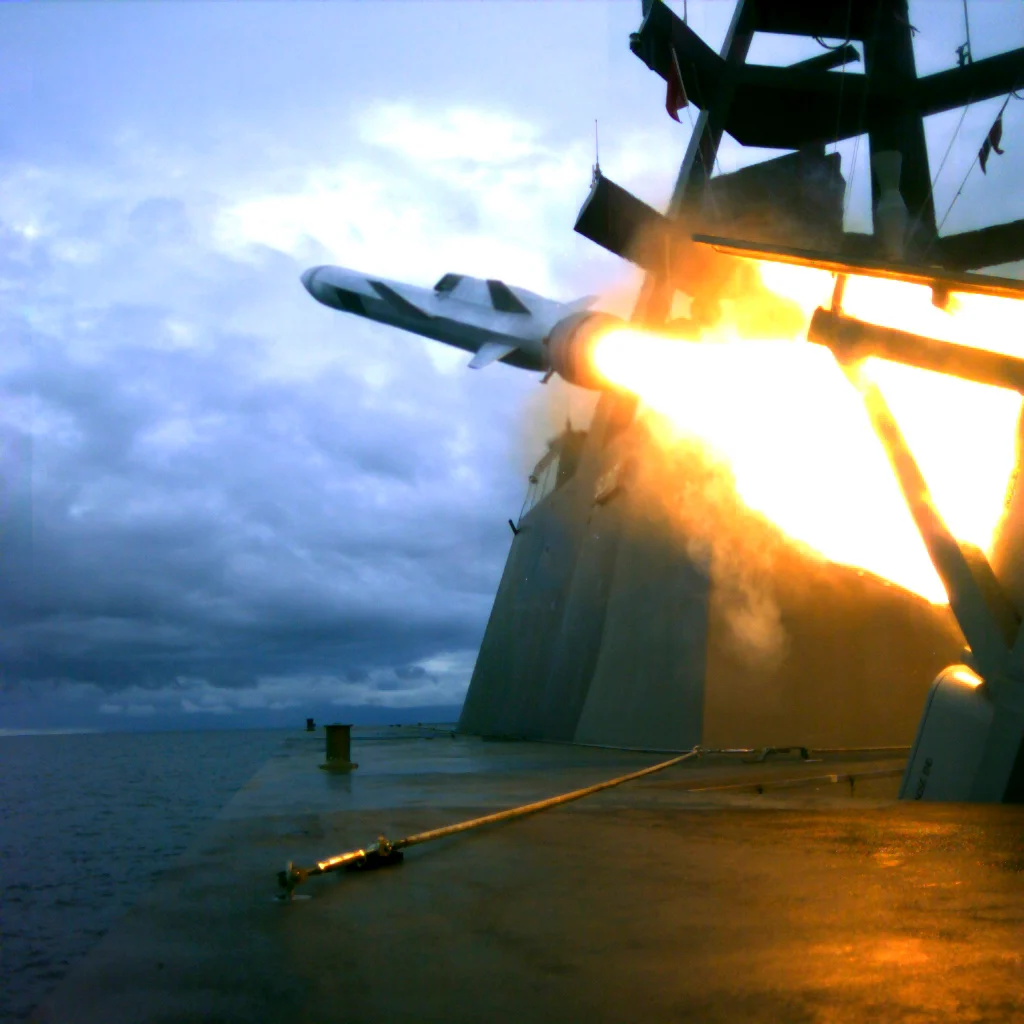
The scrapping of the deal presents a major setback for the Royal Malaysian Navy’s Littoral Combat Ship (LCS) modernisation programme, which banked on Norwegian defence firm Kongsberg’s Naval Strike Missile (NSM) system. It also raises questions about the reliability of European defence suppliers.
Malaysia to seek clarification from Oslo over the decision
The sudden change in direction stems from (new) stricter export control regulations that limit specific Norwegian-designed defence technologies exclusively to allies and “close partners”. Clearly the Scandinavian country does not consider Malaysia either of these.
Speaking on the phone with his Norwegian counterpart, Anwar voiced Malaysia’s “vehement objection” to Norway’s decision to revoke export approvals for the NSM system.
“Malaysia has honoured every obligation under this contract since 2018: scrupulously, faithfully, and without equivocation. Norway, it appears, has not felt compelled to extend us the same courtesy and demonstration of good faith,” Anwar said on social media.
“Signed contracts are solemn instruments. They are not confetti to be scattered in so capricious a manner. If European defence suppliers reserve the right to renege with impunity, their value as strategic partners flies out the window.”
So what are the next steps? Malaysia plans on getting its money back, having spent over RM570 million on the initial signing of the contract in 2018, plus an additional RM44 million spent on another contract for NSM launchers to be installed on the Royal Malaysian Navy’s two in-service Lekiu-class frigates.
The US Naval Institute’s news arm, USNI News, posits that the deal could have failed due to the NSM system using a US-made gyroscope component. This component helps keep the missile on course to its intended target.
While the gyroscope doesn’t make up the entire NSM system, it still falls under strict export regulations, being completely off-limits to non-NATO members.
This naturally makes Malaysia ineligible to receive it, if such a US-made component is even there in the first place. But this is merely a theory, not something that has been confirmed by either Malaysia or Norway at the time of writing.
Malaysian Defence Minister Datuk Seri Mohamed Khaled Nordin says the country is now exploring alternatives to the NSM system, with a special committee studying the matter.
For more news, click here.
Follow JUICE on Facebook, Instagram, and TikTok.

Read more:
Malaysia Breaks Tourism Record With 10.6M Arrivals in Q1/26
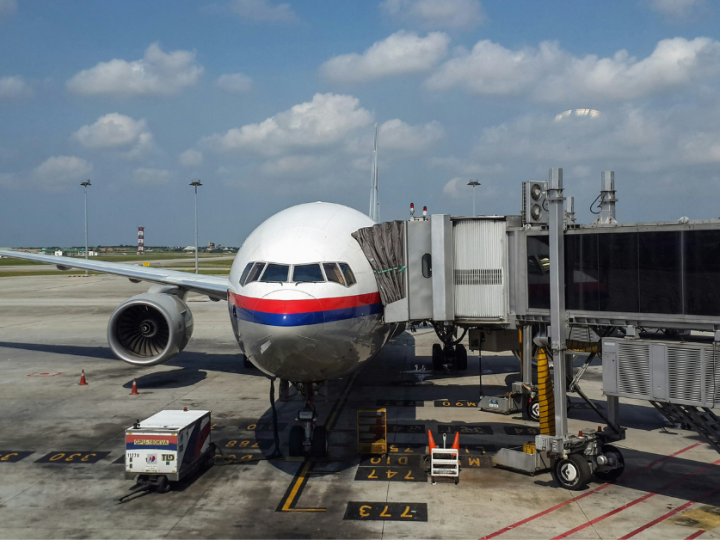
More and more travellers are choosing to spend their holidays in Malaysia, thanks to a number of factors, including easier connectivity.
Japan’s Futuristic Plan To Harvest Solar Power From The Moon
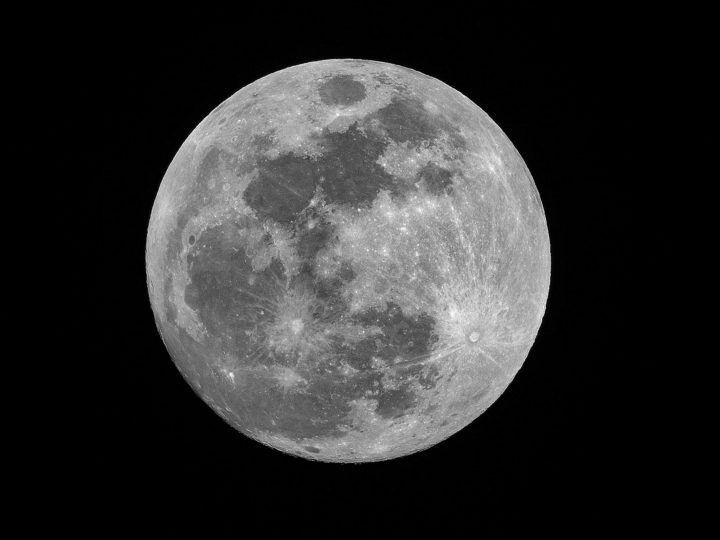
The Luna Ring concept was officially proposed by Shimizu Corporation, though there is currently no confirmed funding plan or construction timeline in place.

Malaysian Passport Jumps To 6th Strongest Worldwide For 2026
JIM said the recognition further showcases Malaysia’s solid diplomatic standing and close ties with countries across the globe.