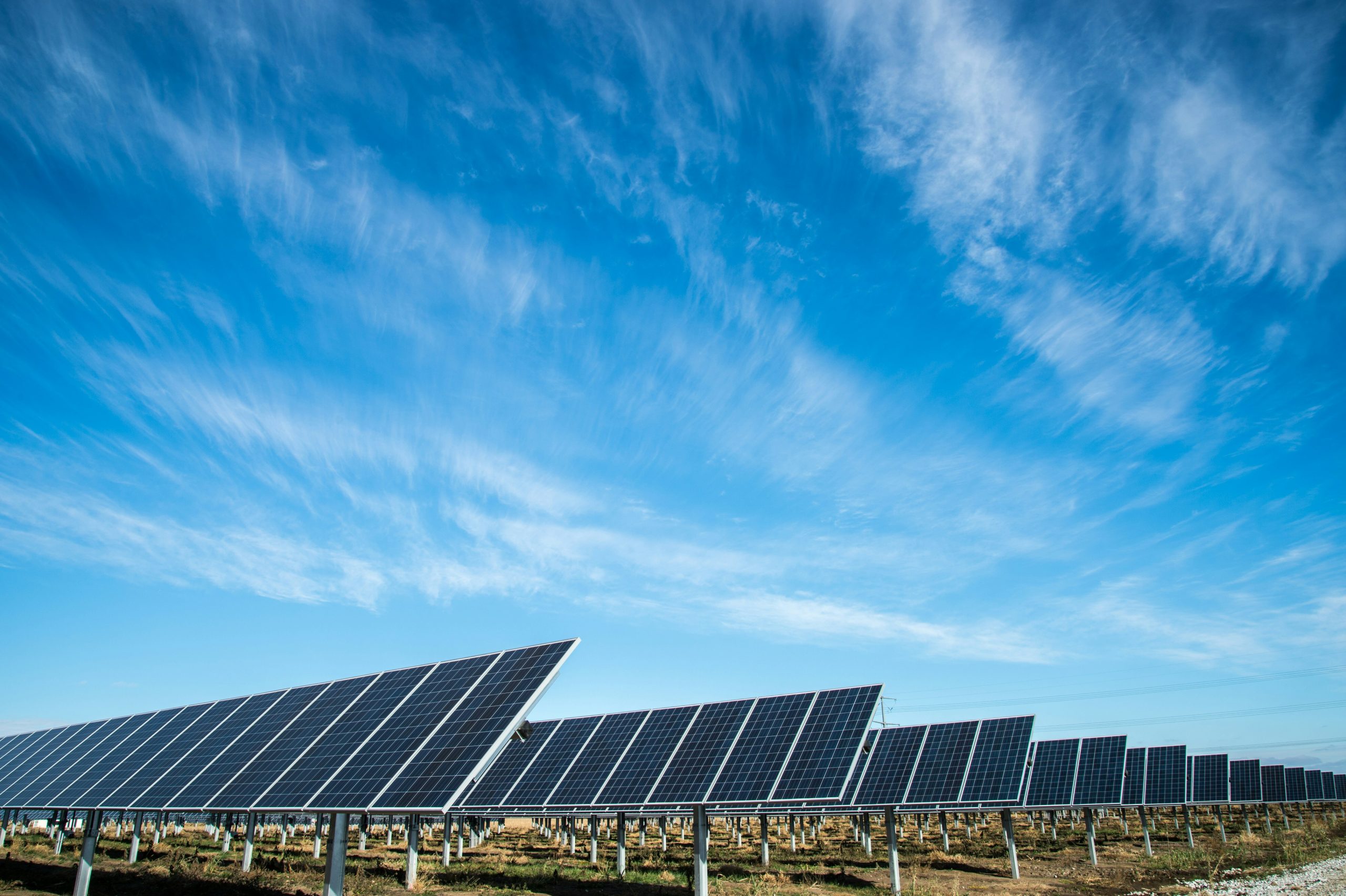
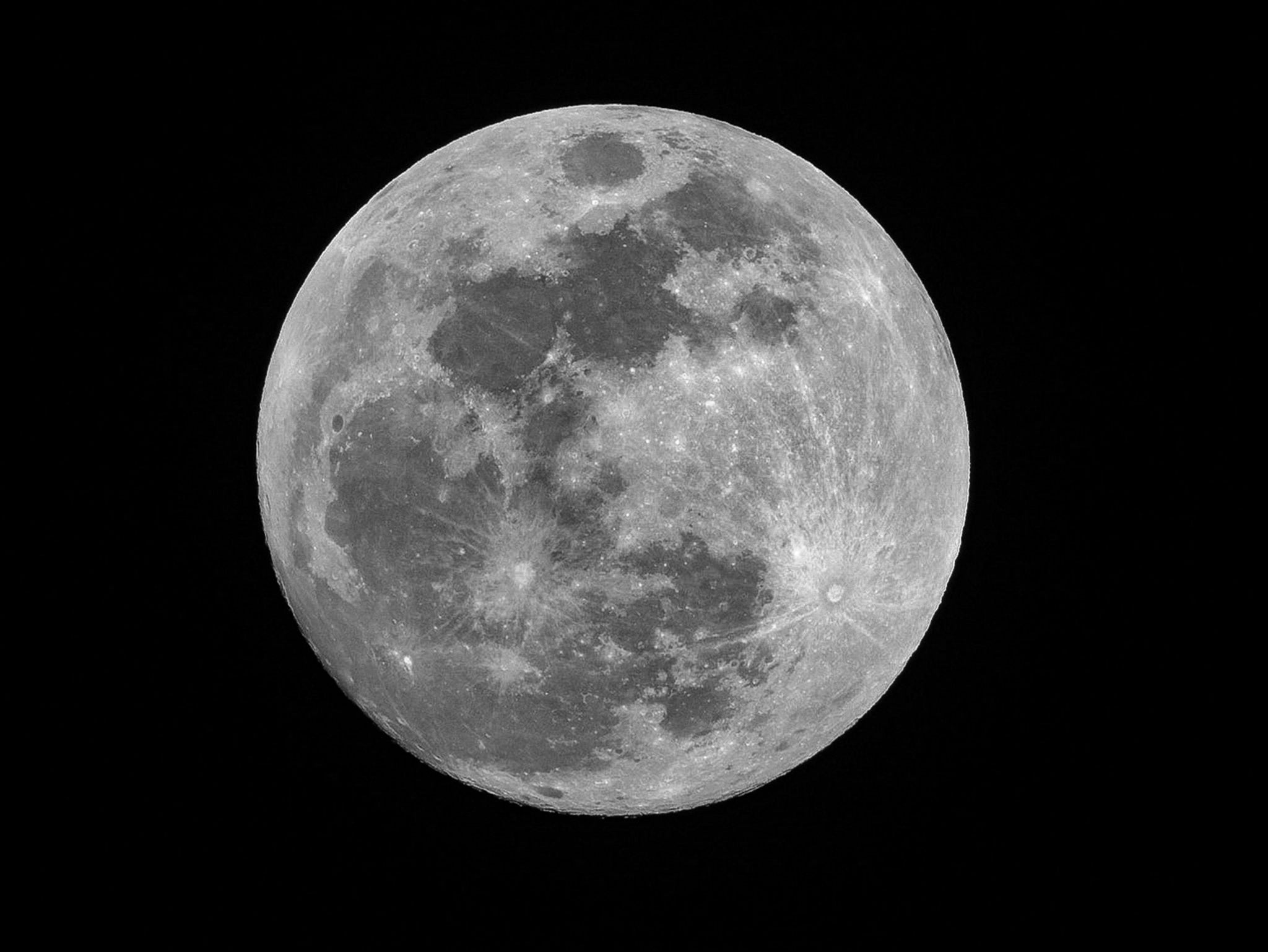
Japan is exploring a futuristic idea that sounds straight out of science fiction: covering the Moon with a massive ring of solar panels and sending clean energy back to Earth.
The concept, known as the “Luna Ring,” proposes wrapping the Moon’s equator with an enormous belt of solar panels stretching roughly 11,000 kilometres. The aim is to generate solar power in space and beam electricity wirelessly back to Earth using microwaves or lasers.
The proposal comes as solar technology becomes cheaper and more widespread, though one major problem still exists on Earth: the sun goes down. Energy demand usually spikes at night, just as solar panels stop producing power. A lunar solar network, in theory, could help solve that issue.
The project envisions using lunar soil to build infrastructure directly on the Moon before covering the surface with solar panels. Supporters of the idea believe different parts of the ring would remain exposed to sunlight as the Moon rotates, allowing at least some sections to continue generating electricity at all times.
Power would then be transmitted to Earth through wireless energy beams aimed at giant receiving stations known as “rectennas.” Microwaves are considered more practical because they can travel through clouds more easily, while lasers offer more precise targeting but raise additional safety concerns.
The idea falls under the broader category of space-based solar power, a concept that has been studied for decades because sunlight in space is stronger and uninterrupted by Earth’s weather or atmosphere.
Still, the Luna Ring remains firmly in the concept stage.
One major complication is that the Moon itself experiences extremely long nights. A single location on the lunar surface gets around two weeks of continuous daylight followed by two weeks of darkness. The ring-shaped design is meant to work around this by ensuring other sections remain in sunlight while some areas fall into darkness.
The scale of the project also presents enormous engineering and financial challenges. Robots would need to operate for years in harsh lunar conditions filled with abrasive dust and extreme temperatures, all while maintaining a power network far larger than anything humans have built in space before.
Critics have also pointed out the massive costs involved, with some experts arguing that lunar solar power is still far more expensive than existing renewable energy solutions on Earth.
Despite that, parts of the technology are already being tested. Researchers at the California Institute of Technology recently demonstrated wireless power transmission in space using an experimental solar power system, while the European Space Agency is currently studying whether space-based solar power could realistically work in the future.
The Luna Ring concept was officially proposed by Shimizu Corporation, though there is currently no confirmed funding plan or construction timeline in place.
For now, the idea remains less of a near-future construction project and more of an ambitious blueprint for what clean energy generation in space could someday look like.
In a world increasingly defined by 280-character hot takes and TikTok’s fleeting bursts of serotonin, you might find yourself yearning for something… Timeless.

 Get Audio+
 Hot FM
 Kool 101
 Eight FM
 Fly FM
 Molek FM
 Thirsty for JUICE content? Quench your cravings on our Facebook, Instagram, TikTok and WhatsApp