
 Get Audio+
 Hot FM
 Kool 101
 Eight FM
 Fly FM
 Molek FM
Tehmina Kaoosji on Journalism, Gender Equality, and Why Malaysia Needs to Rethink Who Holds Power
 Thirsty for JUICE content? Quench your cravings on our Facebook, Instagram, TikTok and WhatsApp
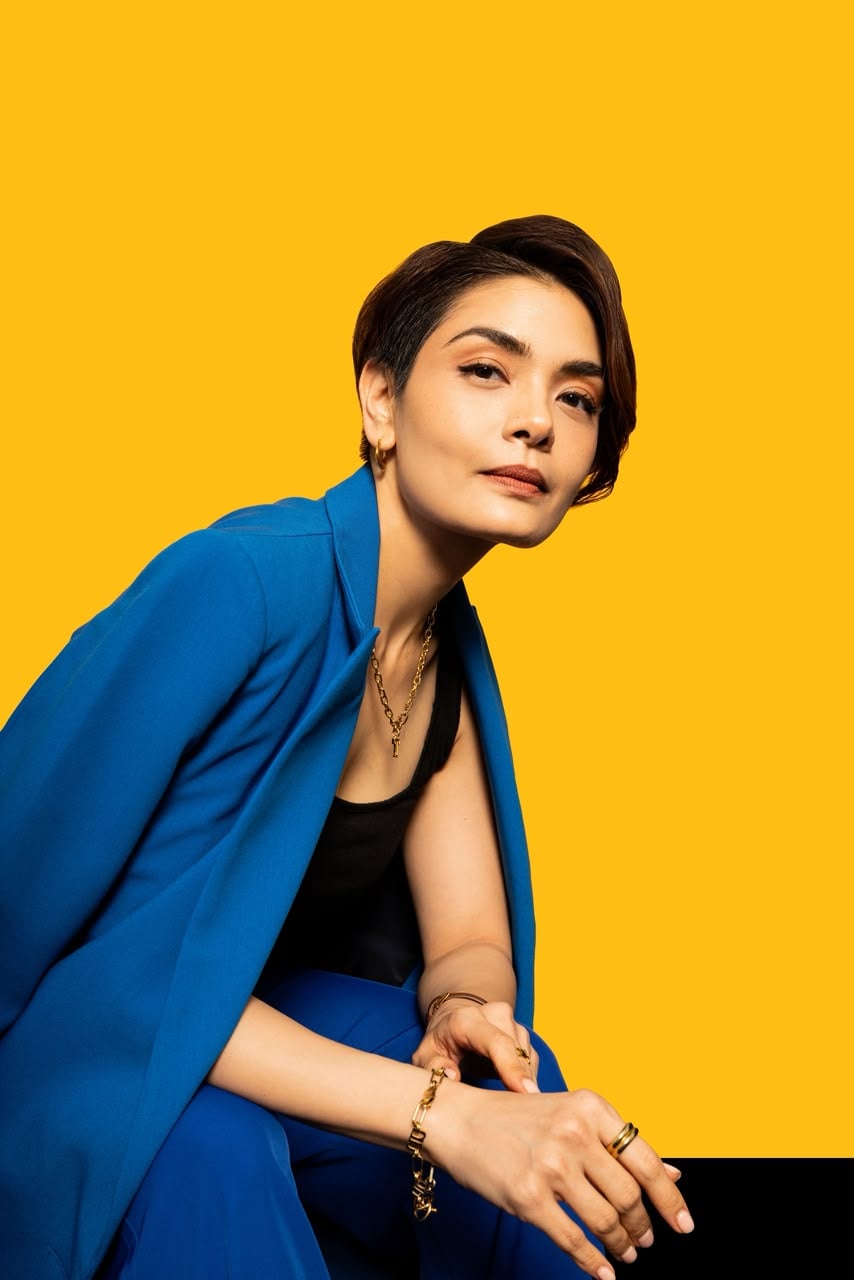
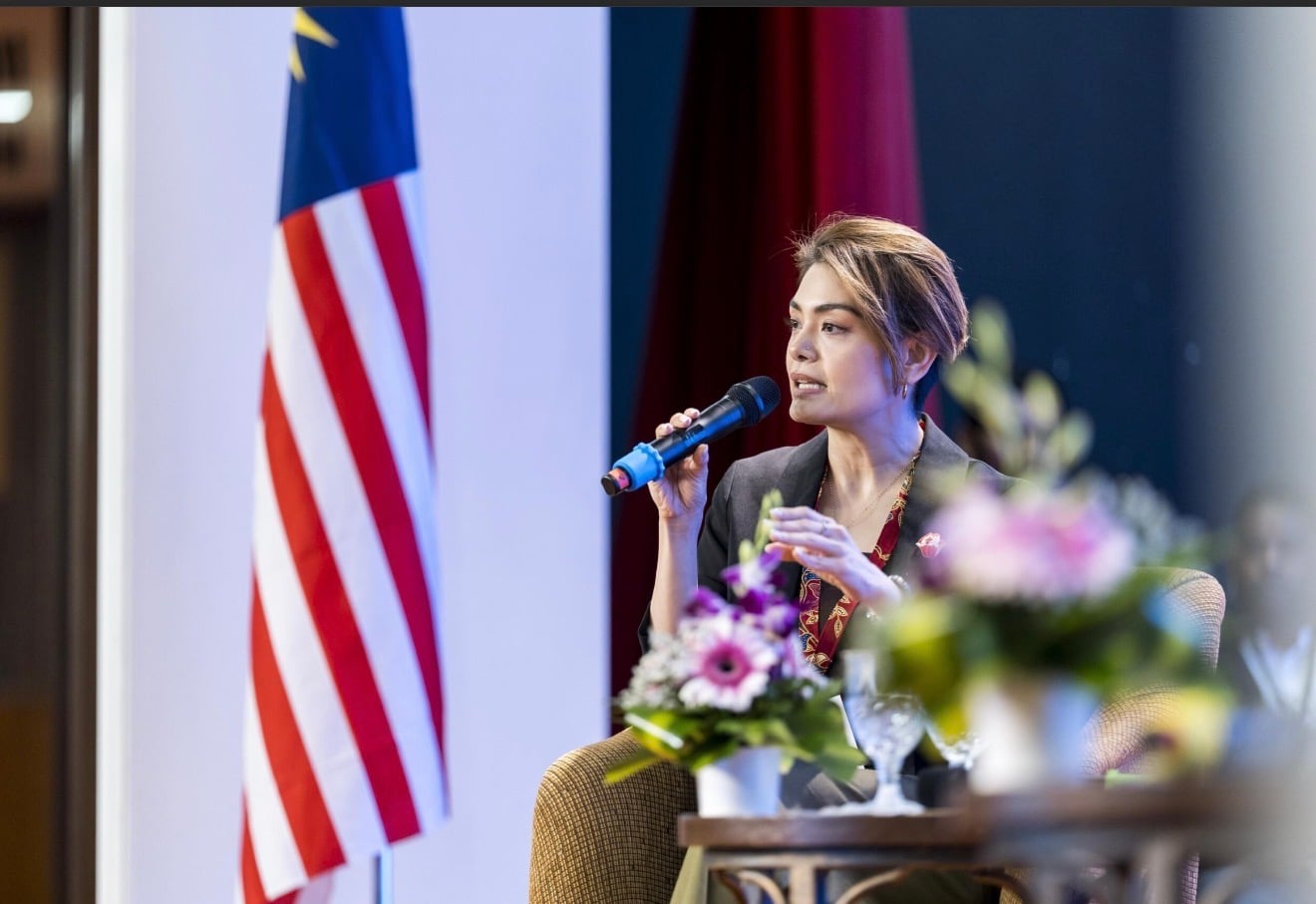
For journalist, comms consultant, and gender equity activist Tehmina Kaoosji, challenging the status quo isn’t just about asking difficult questions. It’s about making sure the people most affected by those in power finally have a seat at the table.
In a country where political conversations often revolve around the same familiar faces, independent broadcast journalist Tehmina Kaoosji has a rather straightforward question: who exactly are our policymakers representing?
It’s a fair one, considering Malaysia’s changing demographics and the issues facing its younger population. Yet, as Tehmina points out, the people making decisions don’t necessarily reflect the people living with their consequences.
“Malaysians have normalised not being demographically represented by our policymakers!”
It’s an observation that sets the tone for much of her work. With 14 years in news media covering politics, business, gender, and big tech, Tehmina has built a career around examining the bigger picture, particularly where policy decisions intersect with everyday lives. As an independent journalist, communications professional, and gender equity activist, she’s equally interested in the stories that make headlines and the structural problems that keep appearing long after the headlines disappear.
Her work and advocacy have also earned her a place among the nominees for Person of the Year at JUICE Best Of 2026, recognising individuals making an impact on Malaysia’s cultural and social landscape.
For her, better representation isn’t simply a matter of optics. It’s about having younger and more gender-diverse voices involved in policy-making, particularly when the issues at stake include climate change, AI, employment security, and violence in educational institutions. Without that diversity of perspectives, she argues, the concerns of ordinary Malaysians risk remaining disconnected from the priorities of those in power.

Beyond the Headlines
Working independently has allowed Tehmina to explore stories that might not always receive sufficient attention on mainstream broadcast platforms. Whether through opinion pieces, explainers, or social media videos, she sees digital platforms as an opportunity to take public interest issues beyond the conventional news cycle.
But having a platform also comes with responsibility, particularly when covering sensitive subjects such as teenage pregnancy, baby abandonment, child marriage, and violence against women and girls.
Her approach is to prioritise evidence, data, and meaningful interventions rather than sensationalism.
That distinction matters in an online environment where outrage can often travel further than understanding. It’s also why she believes journalism should go beyond reporting what happened and examine why it happened in the first place.
“What interests me behind every headline number or statistic is the human story.”
It’s a philosophy that extends to her coverage of the economy. Inflation, for instance, isn’t simply a percentage on a chart. It’s the rising cost of groceries, rent, school expenses, and healthcare. She points to the growing use of Buy Now, Pay Later (BNPL) services among lower-income Malaysians as one example of how economic pressures can push households towards short-term credit just to manage everyday purchases.
Similarly, when billions are invested in data centres or manufacturing projects, the conversation shouldn’t end with the size of the investment. Malaysians should also be asking what jobs are being created, whether local suppliers benefit, and who bears the environmental costs in terms of water and energy consumption.
It’s the kind of reporting that connects economic policy to the people expected to live with its consequences. Because a big investment figure means very little if the benefits don’t reach the ground.
Turning Conversations Into Change
Alongside her work in journalism and advocacy, Tehmina is Partner and Communications Director at The Big Picture (TBP) Communications, where she works in strategic communications consultancy.
For Tehmina, strategic communications is central to her activism. It allows her to translate complex issues surrounding gender equality, online harms, and social development into public narratives that people can understand and institutions cannot easily ignore.
It also shapes how she approaches the bigger picture, particularly how language, framing, and stakeholder engagement can either move meaningful reform forward or reduce urgent issues to short-lived campaigns.
It’s a skill set that complements her work in journalism, allowing her to approach public interest issues not just through reporting and raising awareness, but also through the strategic communication needed to influence conversations and drive change.
The Personal Cost of Inequality
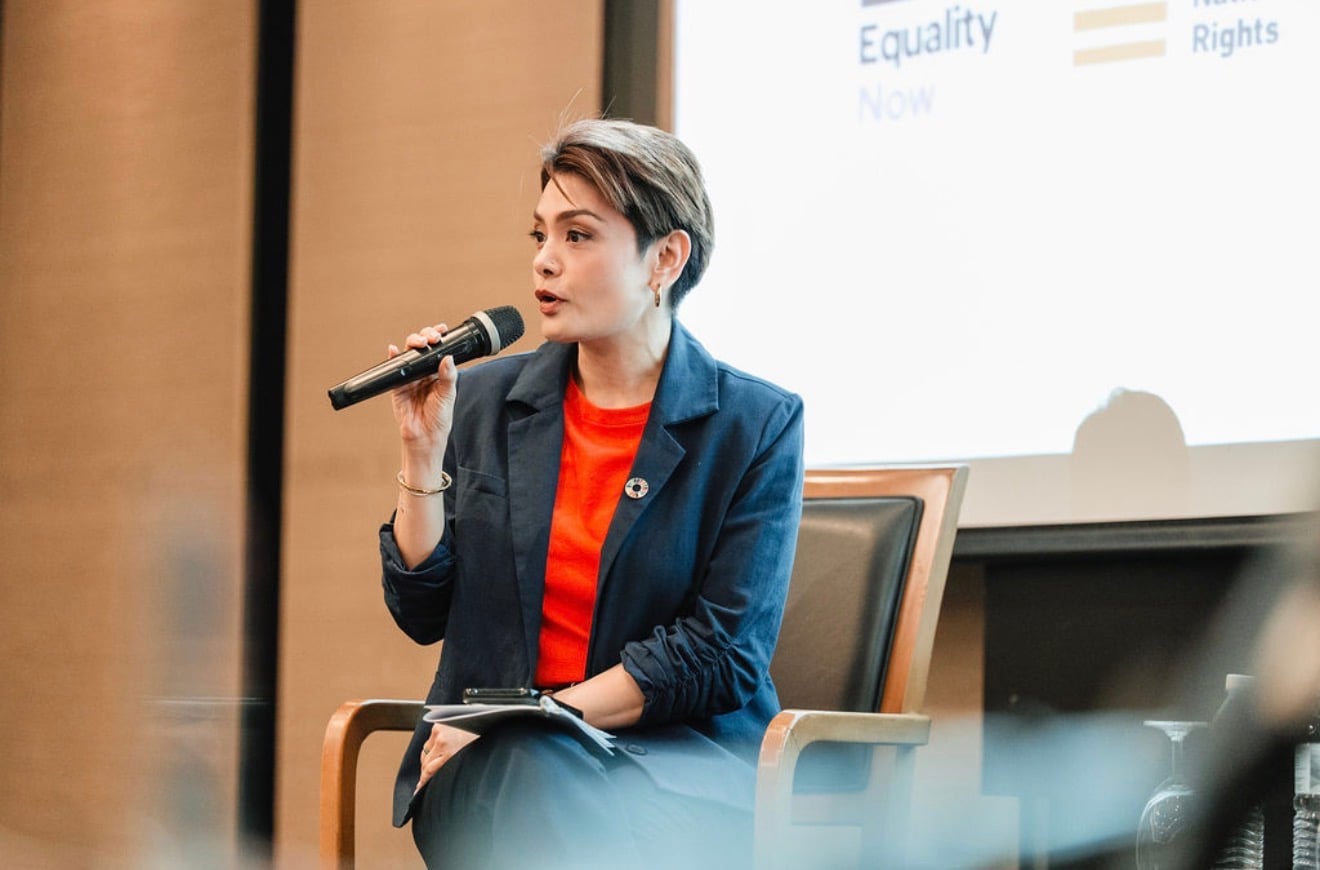
For Tehmina, however, gender equality isn’t just another subject to investigate. It’s a cause she’s had to live with herself.
An overseas-born child (OBC) of a Malaysian mother, Tehmina has experienced the consequences of Malaysia’s unequal citizenship laws first-hand. Her family migrated to her mother’s homeland in 1995, but the fight for Malaysian mothers to have equal rights to confer citizenship to their overseas-born children only became a public advocacy campaign in 2018.
The consequences go beyond paperwork. Denied or restricted citizenship can affect access to education, scholarships, healthcare, and opportunities for economic independence.
“Denying Citizenship for Overseas Born Children (OBC) of Malaysian mothers has a cascading impact—lack of, or restricted access to education, scholarships, and public health services, just for starters.”
She describes the discrimination as structural violence against women and their families, arguing that the right to pass on citizenship should never depend on whether an individual can demonstrate exceptional achievements or economic value.
“The right to Identity and Belonging is the most fundamental of Human Rights.”
After years of advocacy, she believes there is an increasingly urgent case for a retroactive citizenship amendment that recognises the rights of affected children and adult OBCs. Beyond correcting a longstanding inequality, she sees it as part of a bigger conversation about Malaysia’s brain drain, talent circulation, and national development.
However, Malaysia’s constitutional amendment to grant citizenship by operation of law to children born overseas to Malaysian mothers is not retrospective. This means children born before the amendment’s effective date do not automatically acquire Malaysian citizenship under the new provision. Instead, they must apply for citizenship through existing registration routes, such as Article 15(2) of the Federal Constitution, leaving many affected adult OBCs still facing a separate application process.
For Tehmina, the question is ultimately about belonging. Malaysian women should not have fewer citizenship rights simply because they are mothers rather than fathers.
Feminism Isn’t Just a Women’s Issue
It’s also a reminder that gender equality cannot be separated from the institutions and social expectations that shape everyday life.
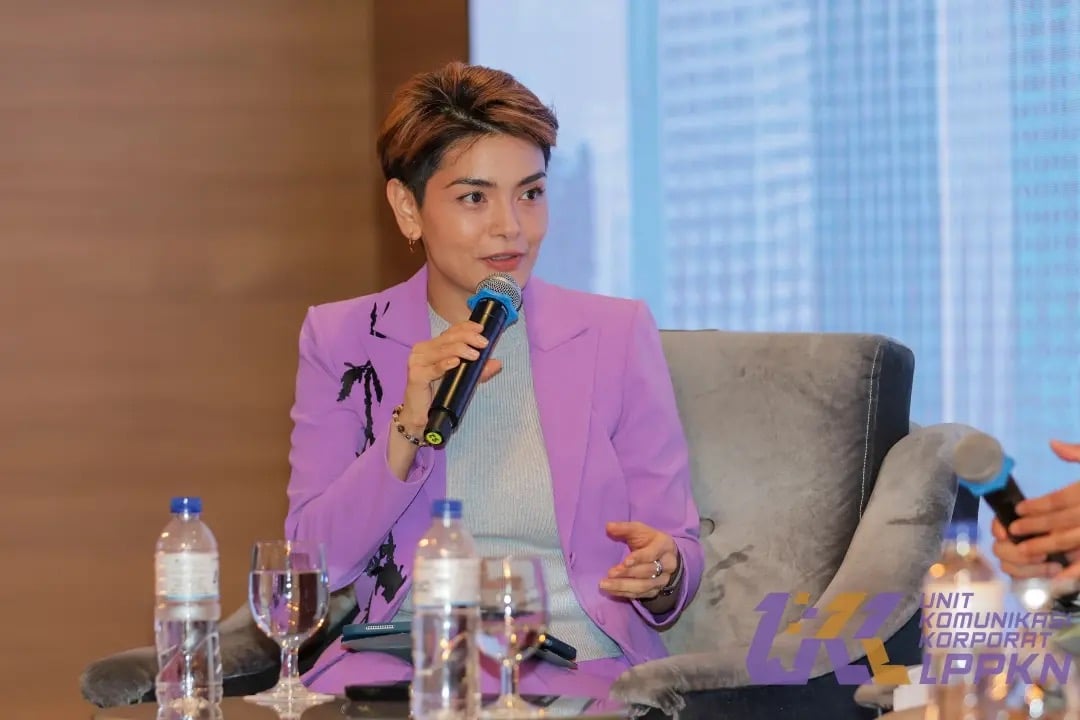
One of the biggest misconceptions Tehmina encounters is the idea that feminism exists exclusively for women and girls. In reality, she argues, its fundamental principles concern political, economic, personal, and social equality for everyone, regardless of gender.
Achieving that requires confronting deeply ingrained patriarchal structures, from everyday sexism and the objectification of women to toxic masculinity and the unequal distribution of unpaid domestic labour.
It’s a conversation that has become increasingly difficult to navigate online, where gender debates often descend into polarised exchanges between men and women.
But Tehmina challenges the idea that social media created women’s anger or dissatisfaction with the status quo. Instead, she believes digital platforms have simply made longstanding inequalities harder to ignore.
“Social media did not create women’s outrage, fear, and dissatisfaction regarding patriarchal oppression, relationships and systemic male violence; it simply made women’s collective trauma impossible for men to ignore.”
The problem, she argues, is that algorithms tend to reward outrage over meaningful discussion, making it harder for opposing perspectives to engage constructively. Yet the visibility of these conversations also means that experiences once confined to private circles can now be recognised as part of much wider patterns of inequality.
That visibility, however, comes at a cost.
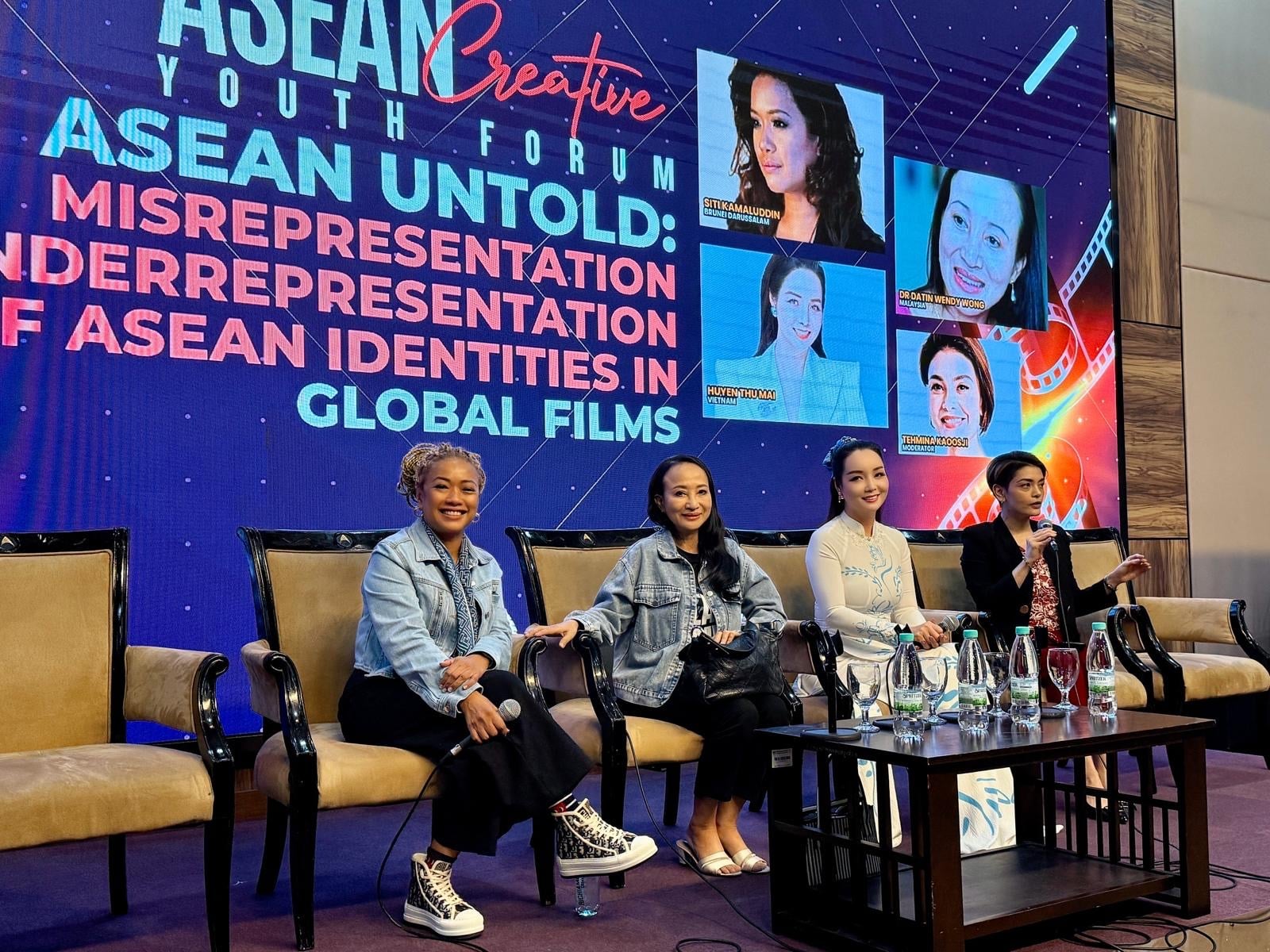
When Speaking Out Becomes a Risk
For women who speak publicly about politics, faith, sexual and reproductive health, or male violence, the backlash can quickly become more prominent than the original issue.
Tehmina identifies this as technology-facilitated gender-based violence (TFGBV), a form of harassment that can involve sexualised abuse, manipulated images, threats against family members, and the circulation of personal information. The emergence of AI-generated deepfakes has added another troubling dimension, including cases involving schoolboys targeting female classmates.
The consequences extend beyond individual victims. When harassment dominates the conversation, the original concerns raised by women risk being pushed aside altogether.
Her position is clear: platforms need faster escalation processes and meaningful redress, newsrooms need proper protocols for reporting these cases, and enforcement agencies must recognise that online threats can form part of a wider pattern of offline violence.
“Women should not need exceptional courage simply to participate in ordinary public debate.”
It’s a particularly important point in a media landscape that increasingly expects women to have a thick skin simply to be heard.
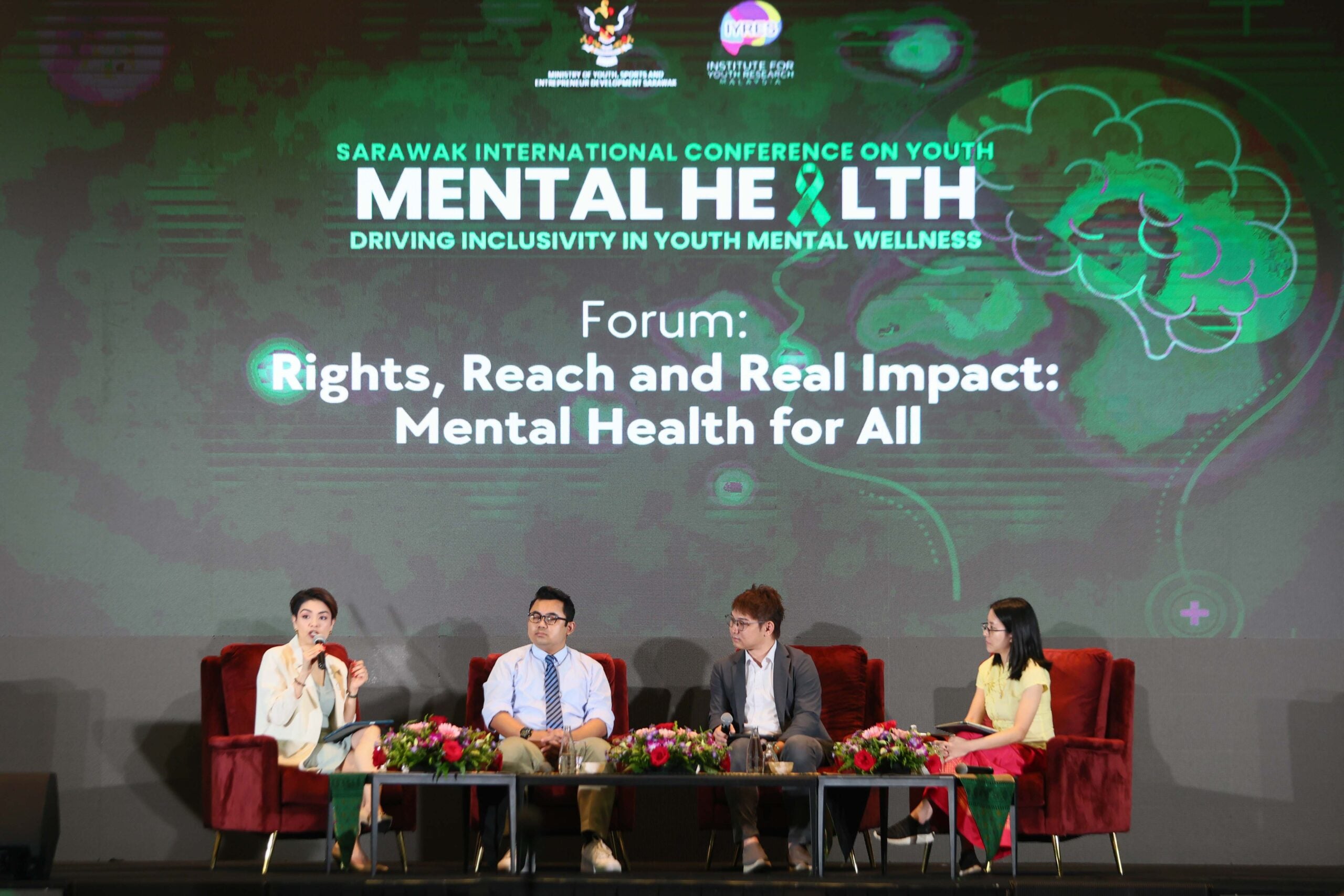
Awareness Is Not Enough
Of course, getting people to listen is only half the battle. Turning awareness into meaningful change is another challenge entirely.
Tehmina makes a distinction between recognising that something is wrong and having institutions take action to correct it. Malaysia has made progress in public conversations surrounding stalking, femicide, child sexual abuse material, and technology-facilitated gender-based violence. But greater awareness doesn’t automatically translate into better policies.
One recent example she highlights is Perak’s proposed RM500 first-time marriage incentive under its 2027 State Budget, which includes an eligibility age of 15 to 35. While financial assistance for young adults starting a family may be well-intentioned, Tehmina questions the inclusion of children as young as 15, 16, and 17.
The motion was unanimously approved during the fifth sitting of the Perak Youth Assembly and is now being submitted to the State Executive Council (Exco) for refinement and discussion before finalisation ahead of the state budget presentation.
Tehmina argues that the statutory definition of youth should never be confused with readiness for marriage, and that public funding should protect children’s futures rather than risk normalising early or forced unions.
“Public money should expand children’s future. It should not help normalise ending childhood early and encourage early or forced child unions.”
It’s an example of why she believes policy-making needs a stronger gender lens and a better understanding of the communities affected by its decisions. Good intentions alone aren’t enough if the people making those decisions fail to consider their wider implications.
The same applies to journalism itself. In an era of viral clips and instant reactions, Tehmina believes audiences are often left with the outrage but miss the underlying causes.
“The problem is not brevity, but shallowness.”
A short video can be an effective entry point into a complicated issue, but it should encourage audiences to look deeper rather than become the entire conversation. Without context and follow-up, public attention can disappear as quickly as it arrives, leaving accountability nowhere to be found.
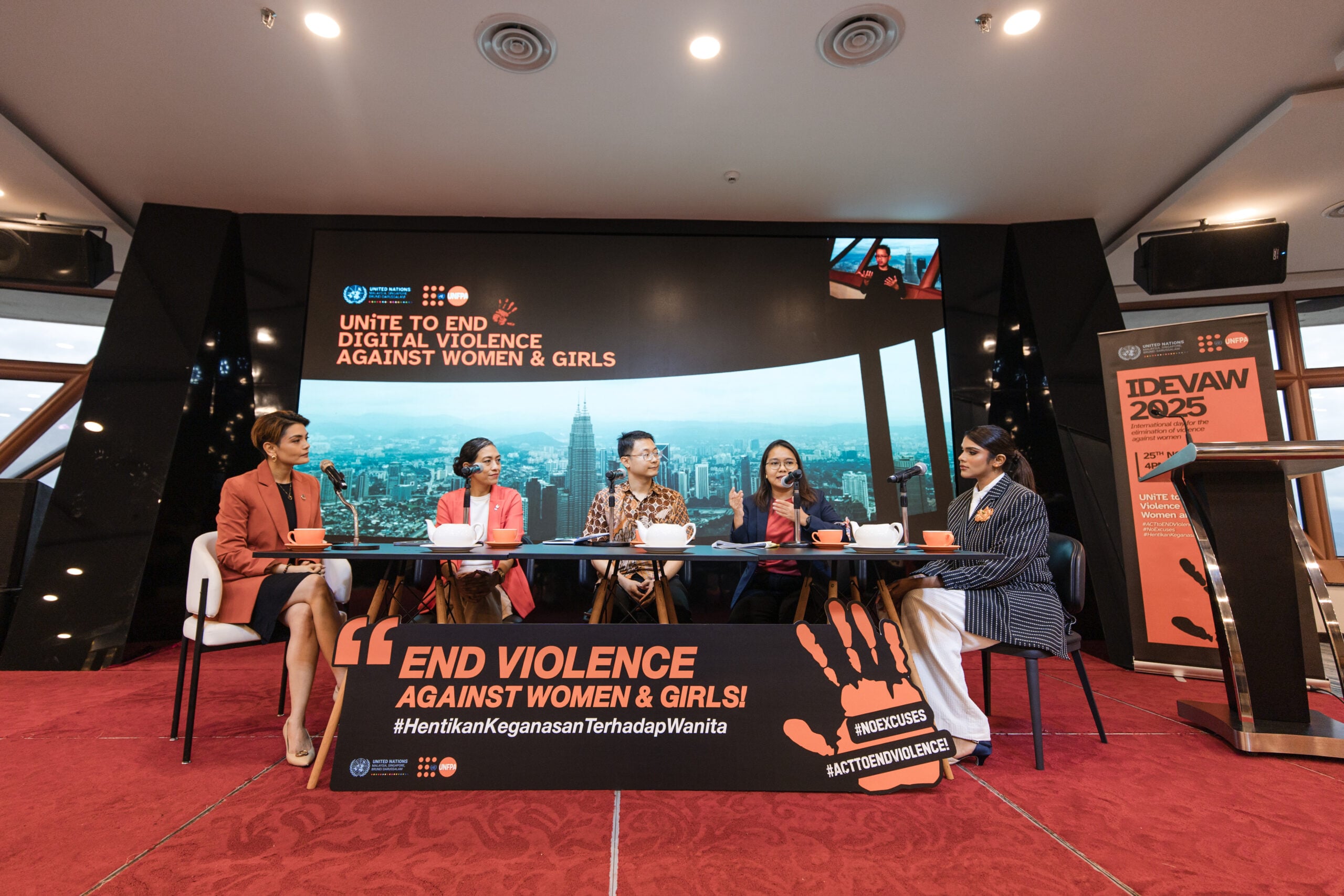
Change Doesn’t Require a Massive Platform
For all the challenges she highlights, Tehmina isn’t particularly interested in telling young Malaysians to give up on the system. If anything, she believes they have more opportunities than they realise to influence it.
Her advice is to start small. Pick an issue that genuinely matters to you, learn about it, read widely, and develop an informed position backed by evidence. Use whatever platform you have to articulate your views, but understand that activism isn’t limited to being the loudest person in the room.
Social justice movements also depend on people working behind the scenes: researchers, organisers, civil society groups, and those involved in policy discussions and community casework. Much of this work rarely attracts public attention, but it’s often where lasting change begins.
And perhaps most importantly, she wants young advocates to understand that exhaustion isn’t a badge of honour.
“And burnout is not proof of commitment. Work collectively. Share responsibility for raising issues. Rest.”
It’s advice that comes from years of navigating the often frustrating distance between public awareness and actual policy reform.
Looking back at her own journey, Tehmina identifies the rise of digital platforms as one of the biggest shifts in how power operates. While populism remains influential, the ability for millions of people to organise, communicate, and campaign collectively has created new avenues for democratic participation and social change.
She points to progressive electoral victories in countries including Bulgaria, Serbia, Sweden, Brazil, and the United States as reminders that established political narratives can be challenged when campaigns focus on issues people genuinely care about, from corruption and democratic institutions to economic affordability and healthcare.
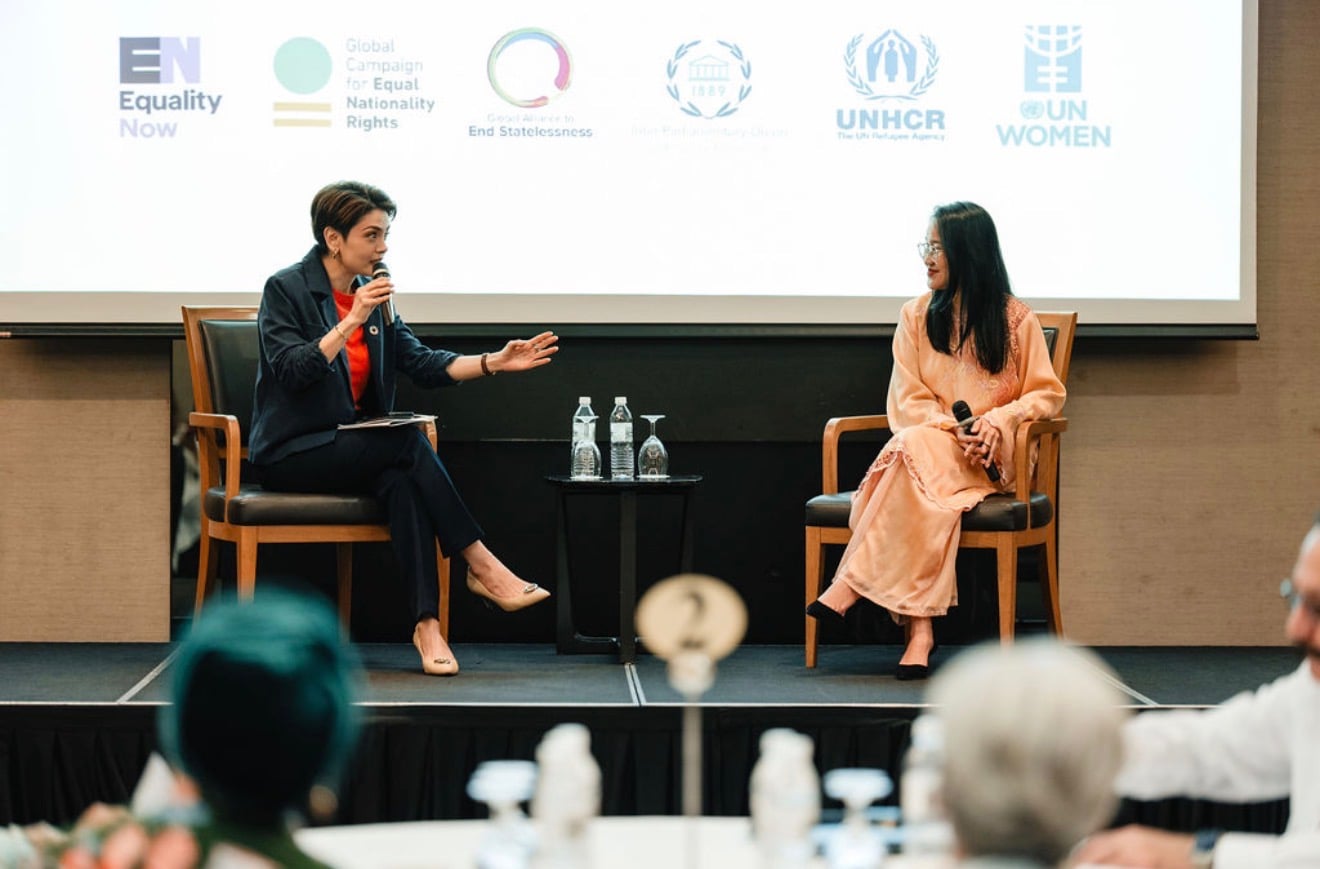
For Malaysia, she sees the coming election cycles ahead of GE16 as an opportunity to rethink political priorities and demand more accountable leadership.
“The power is with the people.”
It’s a fitting conclusion to a conversation that began with representation and returned repeatedly to the same underlying question: who gets to shape the future, and whose interests are being served?
For Tehmina Kaoosji, journalism and activism are ultimately two sides of the same coin. Both require curiosity, the willingness to question established norms, and the persistence to keep pushing long after public attention has moved elsewhere.
And if there’s one thing her work makes clear, it’s that meaningful change rarely begins with those already comfortable holding power. Sometimes, it starts with the people who refuse to accept that things have to stay the way they are.
Follow Tehmina on LinkedIn, Threads, and Instagram.
For more features, click here.
Follow JUICE on Facebook, Instagram, and TikTok.
More JUICE:

Tengku Hadhira Weaves Nusantara Folklore Into Her Very Own Dark Fantasy Mythos
She wants to preserve its stories, along with the cultural histories informing them, and leave something that others can study, reinterpret, and carry forward.

JUICE Best Of 2026 Is Here & We Want To Know Who Made YOUR Year
You could be backing a personal favourite, giving a lesser-known name some much-deserved attention, or campaigning for the place that practically knows your order by heart.
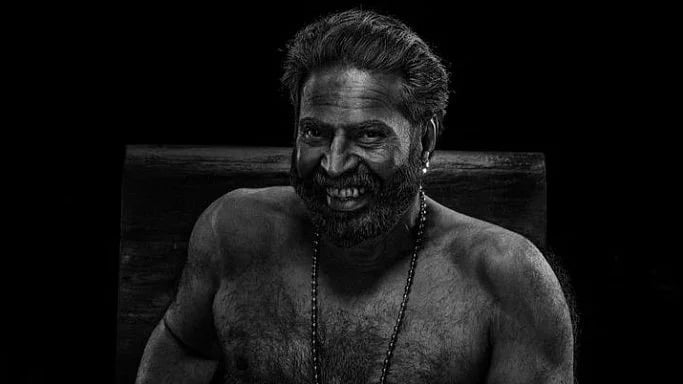
Bramayugam And The Horrors Of Being At A Powerful Man’s Mercy
Sadasivan understands that a monster need not be an exception to the world around him. Sometimes, he is simply the person everyone else has been taught not to challenge.