
 Get Audio+
 Hot FM
 Kool 101
 Eight FM
 Fly FM
 Molek FM
SOLS ASLI Women Academy Empowers Indigenous Women To Become Educators
 Thirsty for JUICE content? Quench your cravings on our Facebook, Instagram, TikTok and WhatsApp
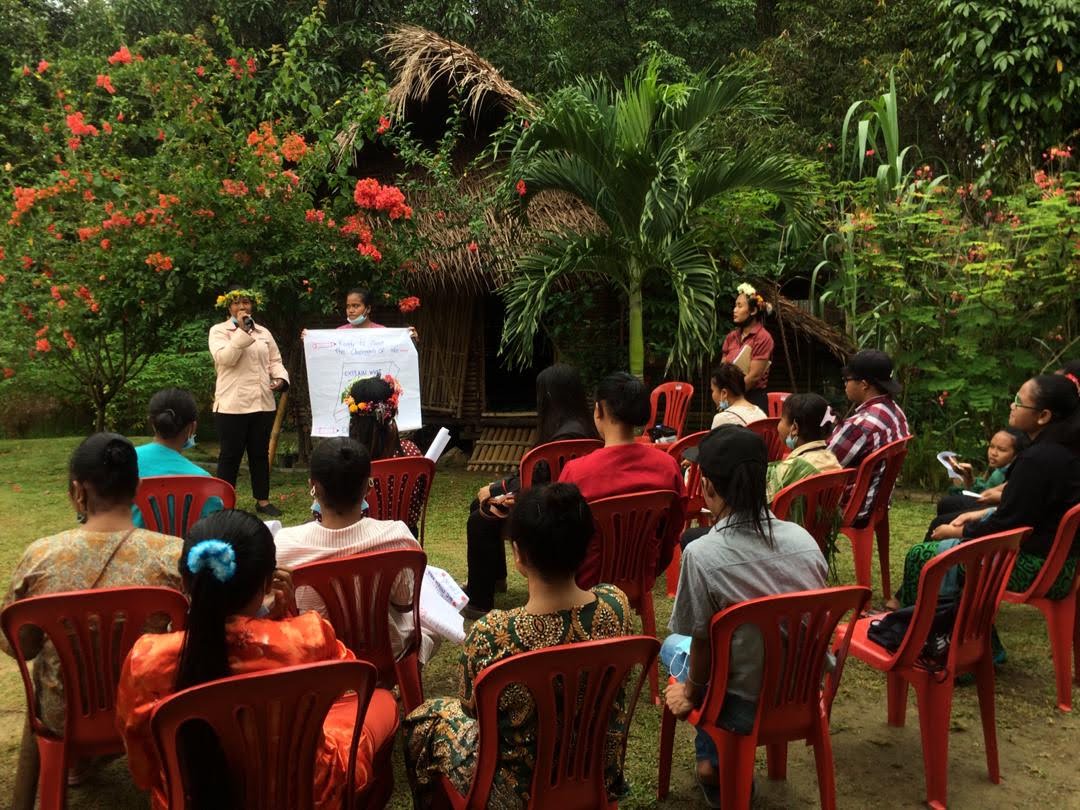
In many Orang Asli villages across Malaysia, education often depends on visiting or rotating teachers.
While well intentioned, this system can make it difficult to sustain meaningful learning. When educators come and go, lessons are interrupted, trust must constantly be rebuilt, and students have to repeatedly adjust to new teaching styles. Over time, continuity becomes the biggest casualty.
SOLS Foundation is attempting to change that dynamic through the SOLS ASLI Women Academy (SAWA), a fully funded scholarship programme designed to train Indigenous women as educators and community leaders, before placing them back in their own villages on paid contracts.
Rather than relying on outside educators, the programme focuses on developing talent from within the community itself. Participants are trained and equipped with the skills needed to teach, then return to serve the very communities they come from. The idea is simple but powerful.
When the educator is someone who shares the same language, culture, and lived experiences as the students, relationships are already rooted in familiarity and trust.
The programme also tackles one of the biggest uncertainties surrounding many training initiatives: what happens after the course ends.
SAWA addresses this directly by guaranteeing employment to participants who complete the programme.
Graduates are placed as educators in their villages with a starting salary of RM1,700 per month, along with EPF and SOCSO contributions. Contracts range from 12 months to three years depending on placement, creating a clearer and more stable pathway into employment.
Training itself takes place at SOLS Foundation’s headquarters in Kuala Lumpur and lasts between six and 12 months depending on a participant’s progress. The structure is designed to gradually build both skills and confidence.
Participants begin with classroom-based learning before moving into practical teaching, followed by an apprenticeship phase supported by mentorship. Once the training is complete, they are formally placed back in their villages to begin work as educators.
The programme is open to Indigenous women aged 21 to 40, including mothers who may be seeking stable and meaningful work. While participants must relocate to Kuala Lumpur during the training period, the programme is structured to support that transition.
Accommodation and meals are provided at the foundation’s headquarters, and participants receive monthly allowances that increase as they progress into the practical teaching and apprenticeship stages.
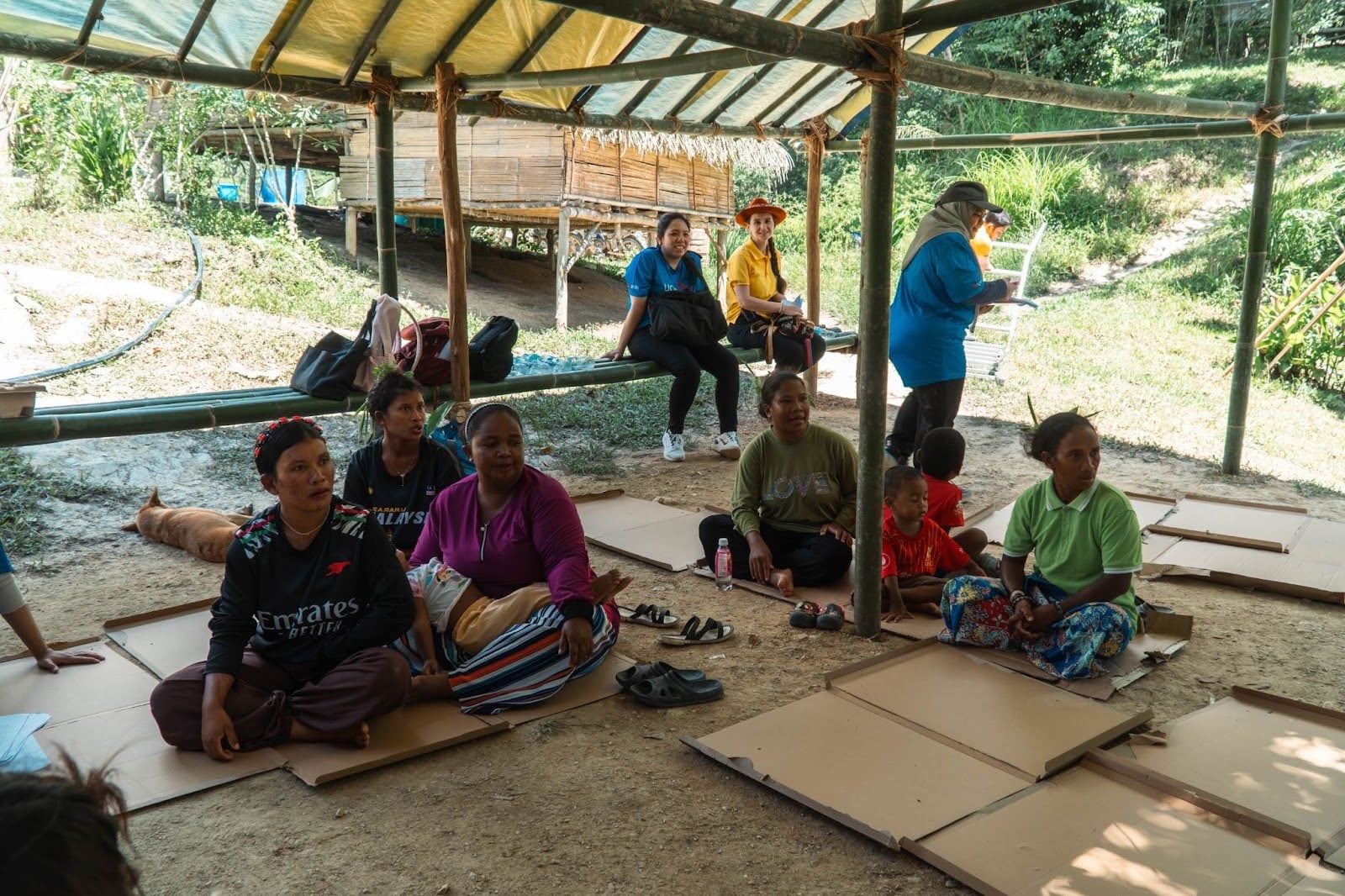
Additional support is also built into the programme to make participation realistic for women coming from rural communities.
Trainees receive travel allowances that allow them to return home for a week every three months, ensuring they can remain connected to their families. They are also equipped with teaching tools such as tablets, internet access, books, and other educational materials needed for their work.
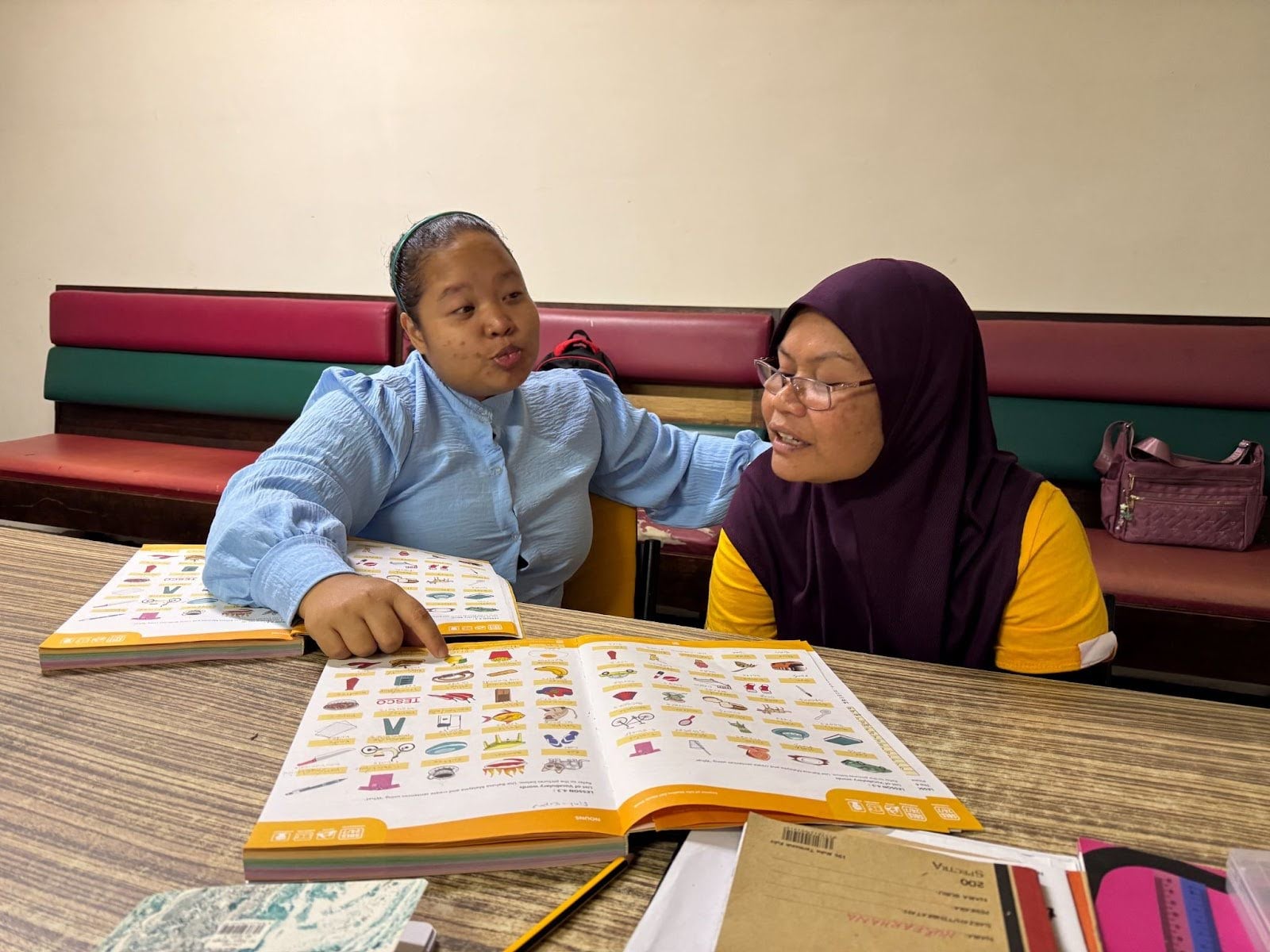
The curriculum focuses on practical employability rather than abstract ideas of empowerment. Participants are trained in teaching methodologies, communication skills, administrative work, digital literacy, community engagement, and professional readiness.
The goal is to develop confident, capable educators who can step into their roles with both technical knowledge and leadership skills, without losing the cultural grounding that makes their presence in the community meaningful.
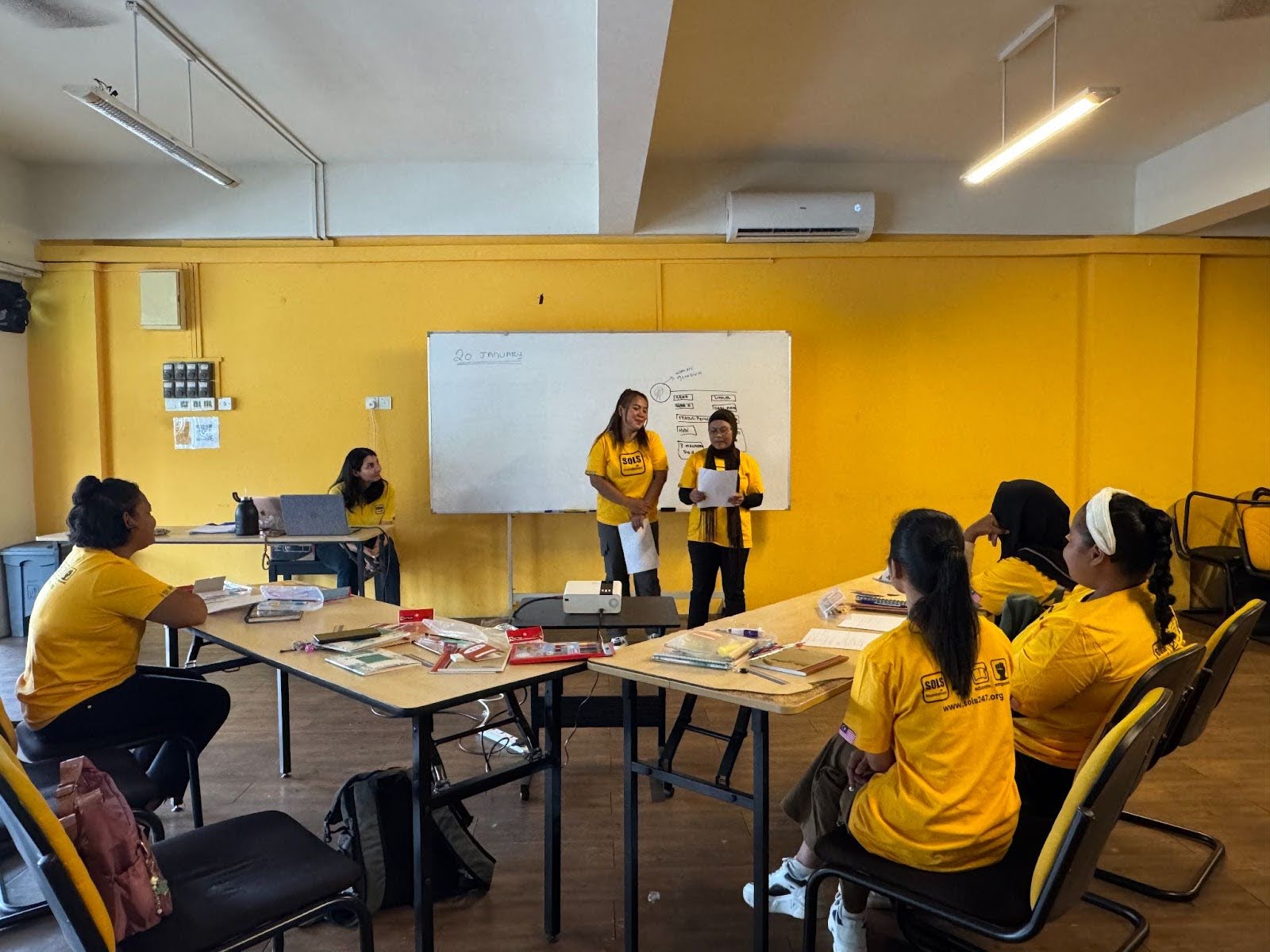
The first cohort of the programme began in January 2026.
Applicants must be able to read, write, and perform basic numeracy, commit to staying in Kuala Lumpur during the training period, and be willing to return to their villages to work as educators once the programme is completed.
Initiatives like SAWA offer a more grounded definition of what empowerment can mean in practice. In this case, empowerment is not framed through campaigns or symbolic gestures, but through concrete opportunities: structured training, stable employment, and the chance to bring those skills back home.
The programme is attempting to build something more sustainable than temporary solutions. It’s an approach that treats community education not as volunteer work, but as a profession with pay, progression, and long-term commitment.
More on JUICE.

Missed these?

How To Achieve The Emotional Impact Of A Gothic Cathedral
In a world increasingly defined by 280-character hot takes and TikTok’s fleeting bursts of serotonin, you might find yourself yearning for something… Timeless.

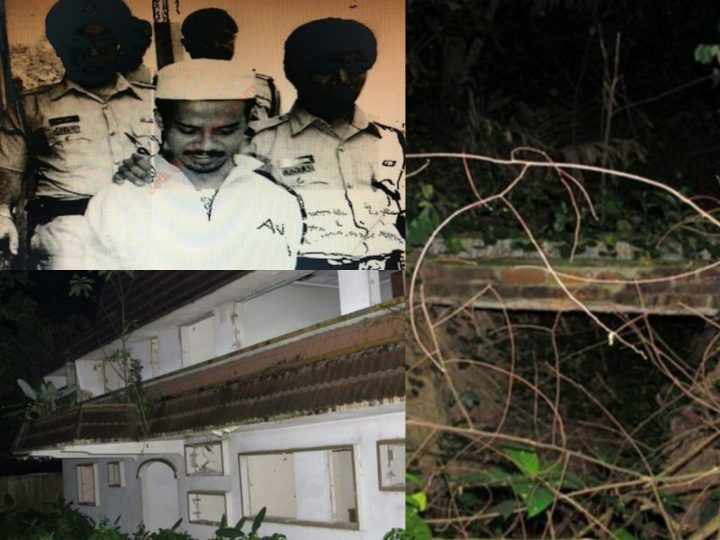
The Gruesome 1992 Triple-Murder Story Behind The ‘Haunted’ Jalan Turi Bungalow in Bangsar
This horrifying story is indeed true.