
 Get Audio+
 Hot FM
 Kool 101
 Eight FM
 Fly FM
 Molek FM
Pulau Jerejak: Where Malaysia Once Exiled Its Sick, Poor & Unwanted
 Thirsty for JUICE content? Quench your cravings on our Facebook, Instagram, TikTok and WhatsApp
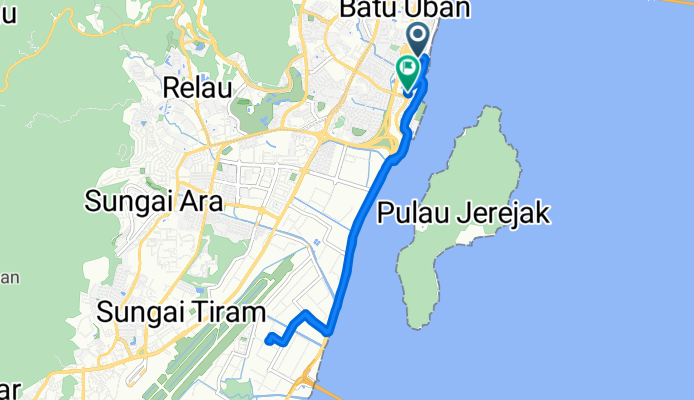
Just across the water from bustling George Town lies Pulau Jerejak, a small forested island whose history is more unsettling than its quiet shoreline suggests.
Tourists who visit today might see only remnants of old walls and cracked concrete paths, but for over a century, Jerejak was the place where the sick were banished, prisoners were forgotten, and the dead were buried without names.
Plans to turn it into a new resort and adventure island risk burying these stories forever. What follows is the tangled, documented history of a place once known as Malaysia’s Alcatraz, where thousands perished and only silence remains to testify.
A leper colony built on forced isolation
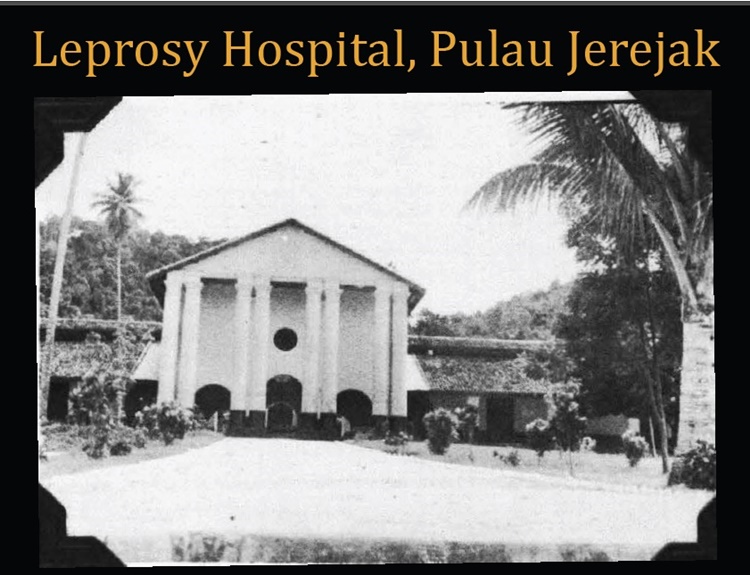
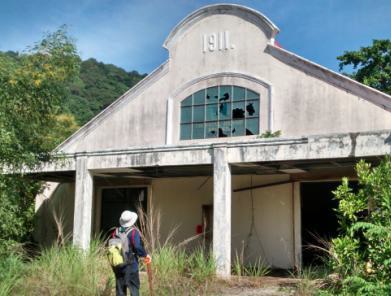
In 1868, the British built the first leper asylum in the Straits Settlements on Jerejak. By the 1880s, it became the region’s main leprosarium, housing patients sent from as far as Singapore and Malacca. By the 1930s, there were five separate camps that together held around 1,500 patients at any one time.
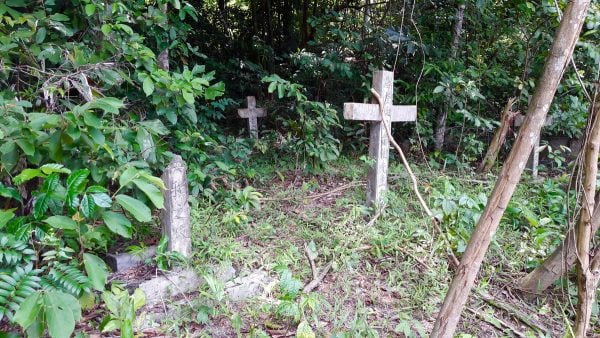
Few left alive. Many died isolated from family, buried in simple graves on the island’s eastern slope. A historian estimates that Pulau Jerejak holds at least 5,332 graves, most belonging to the roughly 7,500 leprosy patients who once lived there. Of these, around 3,691 graves cluster near the old leprosy hospital on the island’s eastern side.
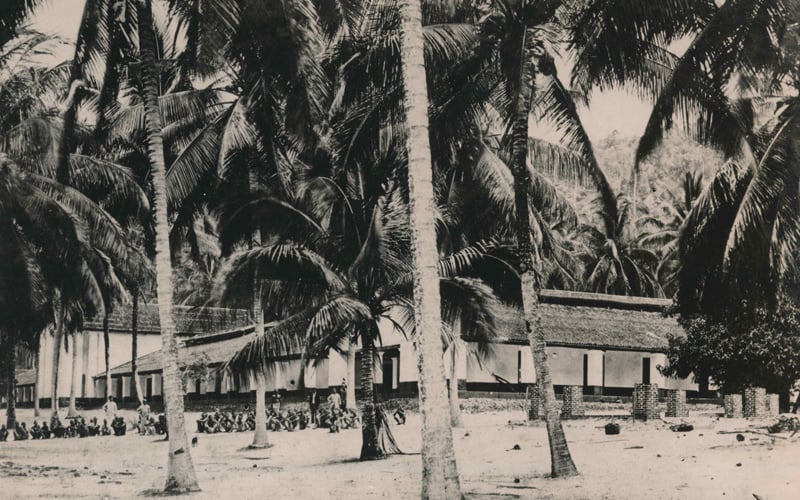
This hospital itself was mainly funded by Penang’s local Chinese community. Back then, Frederick Weld, the Governor of the Straits Settlements, described it admiringly: “The building is a fine one with a central hall, and long tiled corridors and wards stretching out on either side. It is very cool and well arranged. Rows of coconut trees line the beach, and the view from it is most beautiful.”
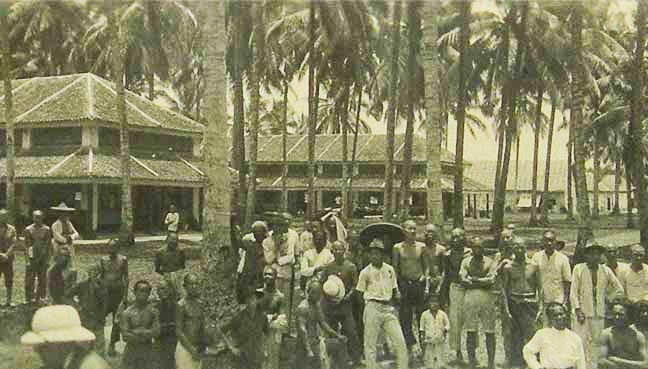
At the time, leprosy was widely feared due to the belief that it spread through physical contact.
As there was no known cure until the 1940s, individuals afflicted with the disease were typically segregated from the broader population and left to live with its visible disfigurements. In 1926, the Leper Enactment Act was introduced, mandating that the presence of leprosy cases be reported to the authorities, who would then enforce the isolation of those affected.
Historical accounts reveal further details: “A leper is also engaged to make coffins, the materials being supplied by the Government, and the dead are buried at the back of the Hospital some 200 yards away behind a jungle.”
For many leprosy patients, life on Pulau Jerejak was one of enforced isolation. They were hidden from public view, and the hospital itself faced the mainland rather than the island. To prevent any chance of escape, residents of nearby kampungs were relocated off the island.
A quarantine station that processed the living
In 1875, Pulau Jerejak added a quarantine station to process immigrants, sailors, and Hajj pilgrims returning from Mecca. Colonial health reports from 1908 describe more than 1,200 Tamil labourers detained there at once to prevent the spread of diseases.
Over decades, hundreds of thousands passed through Jerejak, detained for days or weeks before being allowed to continue into Penang. A report by Malay Mail notes that between 1877 and 1940, more than a million people may have passed through these facilities.
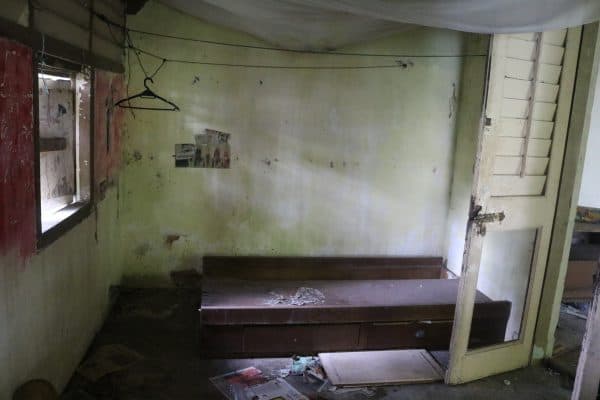
It was reported that many pilgrims were displeased with the procedure, as they had already been vaccinated prior to departure. One woman who performed the Hajj in 1936 recalled that upon return, they were transferred from the Mecca ship onto a speedboat bound for Pulau Jerejak, during which some individuals even fell into the sea.
Once on the island, they were detained for two to three hours, during which they were stripped naked and, reportedly, subjected to a steaming process before being released.
Each had to spend six days there, screened for smallpox, cholera, and other diseases. Even in the 1950s, this discrimination lingered: only “third class” and open-deck passengers arriving from India on the SS Rajula were forced into quarantine; wealthier first and second class passengers were exempt.
The quarantine station eventually closed, but the remains of its wooden piers and concrete footings still lie scattered along the island’s shore.
Tuberculosis and war left their own marks
After the Second World War, Pulau Jerejak briefly became a hospital camp for returning prisoners of war. In 1948, it was converted into a tuberculosis sanatorium for around 150 patients, many of whom also died there.
Few burial records have survived, and some graves may still lie undiscovered beneath the forest floor, according to a report by The Diplomat.
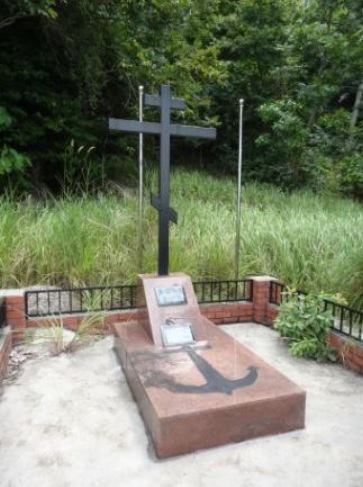
One memorial does survive: the Russian Stone, a large slab that marks the graves of two sailors from the cruiser ‘Zhemchug’. They drowned when their ship was sunk off Penang in 1914.
The Russian embassy restored the stone in 2006, though even this memorial’s anchor was stolen not long after.
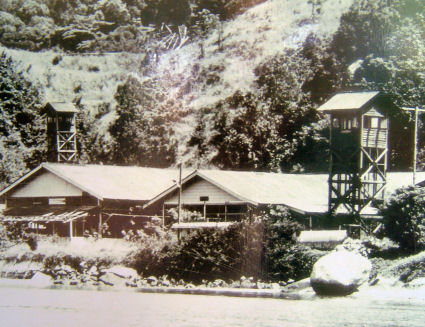
Malaysia’s Alcatraz held its secrets
In 1969, Pulau Jerejak opened as a maximum-security prison called the Pulau Jerejak Rehabilitation Centre. Its isolation in the channel between Penang and the mainland made it ideal for housing hardcore criminals, political detainees, and later, drug offenders.
Locals called it Malaysia’s Alcatraz, a reputation earned not just by its location, but by what went on inside. In 1981, around a hundred prisoners rioted, destroying parts of the facility to protest sentence extensions. The prison officially closed in 1993, its inmates transferred elsewhere. Today, only fragments of its concrete cells remain, swallowed by vines and humidity.
Prison escape attempts ended grimly. Some prisoners tried to swim across the narrow channel to Penang, only to vanish. Their bodies were rarely recovered, and no complete list exists of how many died trying.
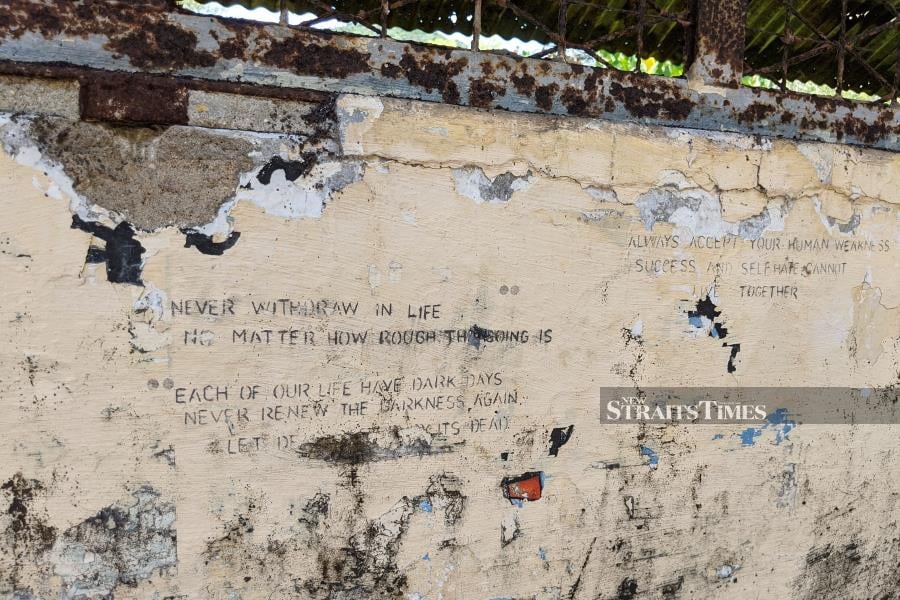
The island’s history of death is clear, but the details are lost.
During construction of the Jerejak Rainforest Resort in the early 2000s, workers uncovered human skeletons believed to belong to former patients or prisoners. Some were reburied quietly.
At the same time, much of the island’s archival record vanished. Death registers from the leprosarium, autopsy reports from the prison, tuberculosis hospital records, and even logs from the quarantine station are missing or incomplete.
A preliminary survey by researchers found scattered ruins and rubble dumped over former grave sites. No official investigation has fully documented what lies beneath.
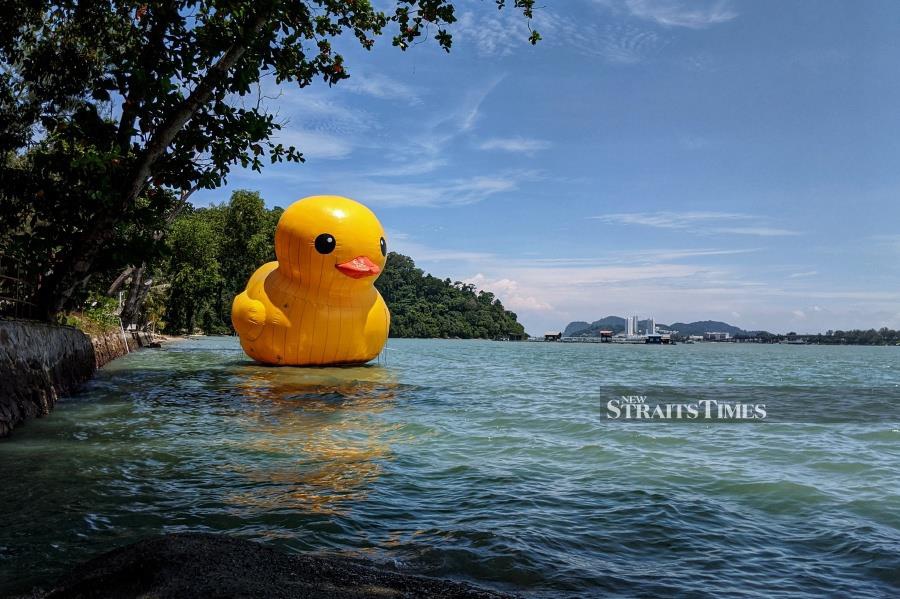
A failed resort built on the forgotten
In 2004, developers opened the Jerejak Rainforest Resort & Spa on part of the island where the leprosarium once stood. Costing about RM30 million, the resort marketed the island’s isolation as luxury. Few guests came, and by 2016 it had closed, resulting in losses up to roughly RM40 million.
The resort’s marketing never addressed the thousands who had died on the same ground, or the possibility that unmarked graves lay beneath its paths and chalets.
In 2017, developers and the Penang state government approved plans for a new mega-project: hotels, condominiums, a marina, a theme park, and a four-lane bridge linking Jerejak to Penang island. The Penang Property Talk website reports plans for 1,200 residential units and new tourist attractions.
Locals joke that, according to Chinese belief, spirits and wandering ghosts won’t cross the sea. But if plans for a bridge to Pulau Jerejak go ahead, it could pave the way for the island’s 5,000 restless, hungry ghosts to cross over to Penang during Hungry Ghost Month.
Meanwhile, activists worry this will destroy what little remains. The Penang government announced in 2020 that about 78 percent of Jerejak would become permanent forest reserve. The remaining land remains open for private development. Some heritage groups have called for the island to be named a UNESCO World Heritage Site, though so far, that has not happened.
The jungle still hides fragments of stone walls, collapsed jetties, drainage tunnels, and the last prison cell blocks. But heavy machinery, illegal dumps, and neglect are eating away at what little evidence is left, as documented by journalists in The Diplomat.
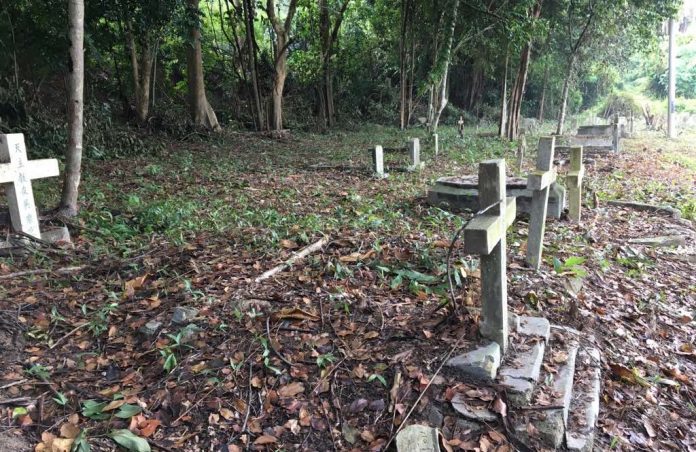
No one knows exactly how many died on Jerejak.
Oral histories speak of prisoners who vanished, patients buried without names and cemeteries now lost. The jungle may still hide the remains of those who never returned to the mainland.
Today, the island is famed for its tranquil beaches, as well as rock climbing, snorkeling, and jungle trekking opportunities. A new playground for tourists, the risk is that these stories will be buried permanently.
Pulau Jerejak’s history is not only about statistics. It is about the lives sent there to disappear, and the question of what it means when a country erases part of its past. The island remains beautiful, but beauty alone cannot replace remembrance.
Our thoughts remain with those who lived and died on Pulau Jerejak, hidden from sight and cut off from the world. May their stories endure beyond the silence of these forgotten graves.
Discover more on JUICE.

Missed these?

How To Achieve The Emotional Impact Of A Gothic Cathedral
In a world increasingly defined by 280-character hot takes and TikTok’s fleeting bursts of serotonin, you might find yourself yearning for something… Timeless.

The Gruesome 1992 Triple-Murder Story Behind The ‘Haunted’ Jalan Turi Bungalow in Bangsar
This horrifying story is indeed true.