
 Get Audio+
 Hot FM
 Kool 101
 Eight FM
 Fly FM
 Molek FM
Rising Demand Brings Priests Across Asia To Philippine Exorcism Centre
 Thirsty for JUICE content? Quench your cravings on our Facebook, Instagram, TikTok and WhatsApp
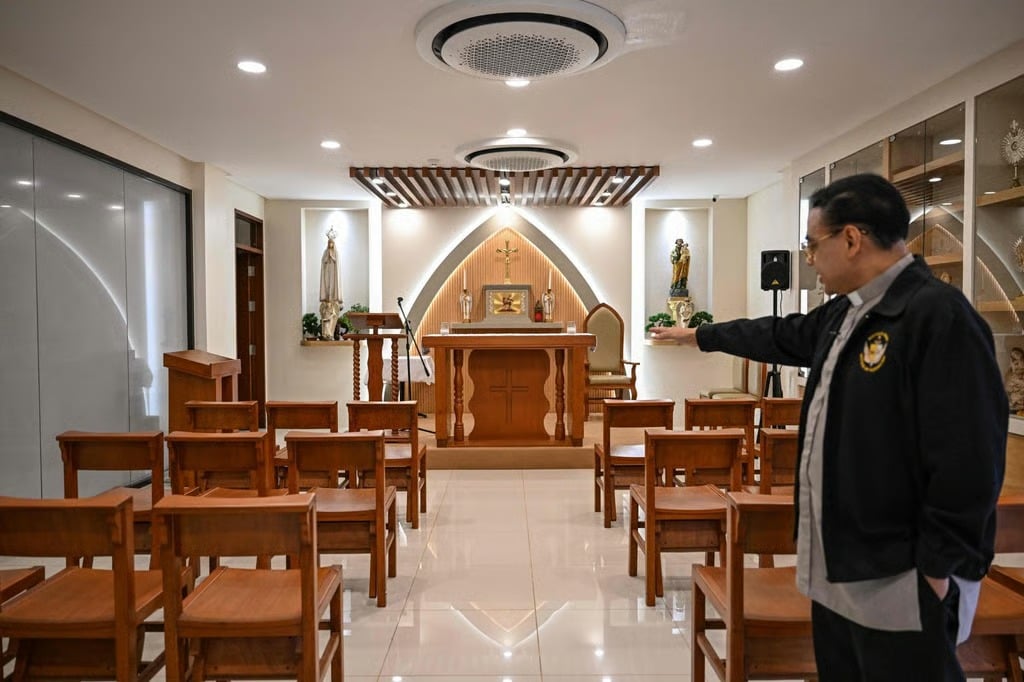
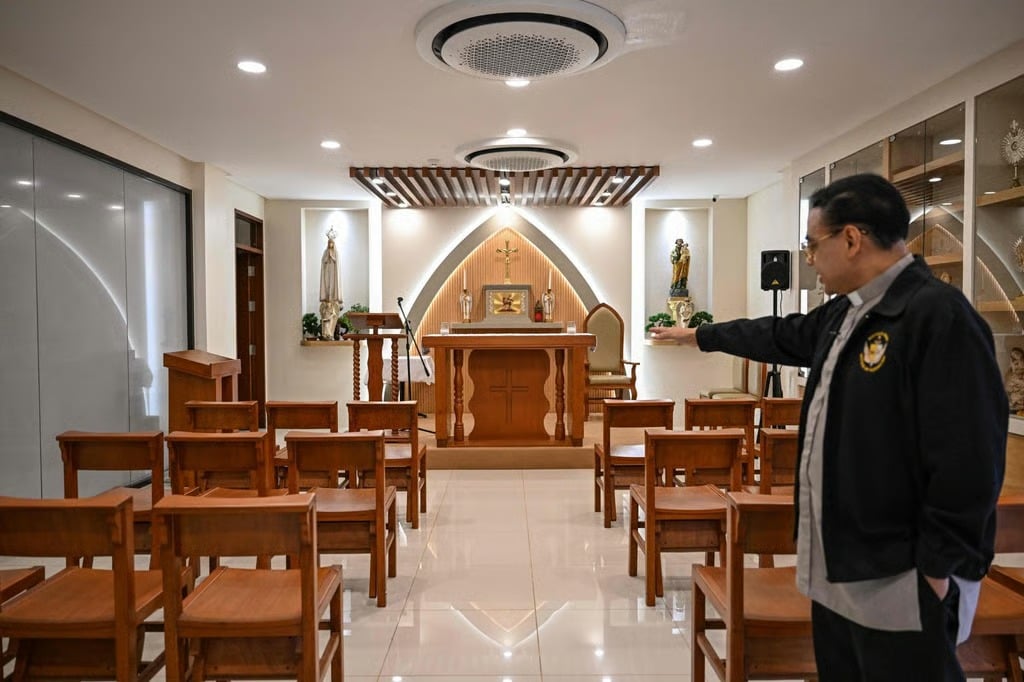
A new exorcism centre in the Philippines is attracting priests from across Asia, as its founder says the number of alleged possession cases has continued to rise.
The Michael Centre for Spiritual Liberation and Exorcism, located in Makati, Metro Manila, opened five months ago and is believed to be the only dedicated facility of its kind in Asia. The centre was established by Father Jose Francisco Syquia, who said a permanent facility was needed as cases began to “pile up”.
The two-storey centre includes accommodation for visiting priests, a chapel where exorcisms are conducted and a one-way mirror that allows families and trainee exorcists to observe the rituals. Religious relics used during exorcisms are also displayed throughout the facility.
Unlike most exorcism centres, the facility also serves as a training school for priests. Clergy from Singapore, Malaysia, Cambodia, and India are reportedly among those seeking training there.
A key part of the programme is learning to distinguish between psychological conditions and what the Church considers spiritual affliction. The centre works with clinical psychologists, psychiatrists, and neurologists, while following Church guidelines that require individuals to undergo mental health assessments before an exorcism is considered.
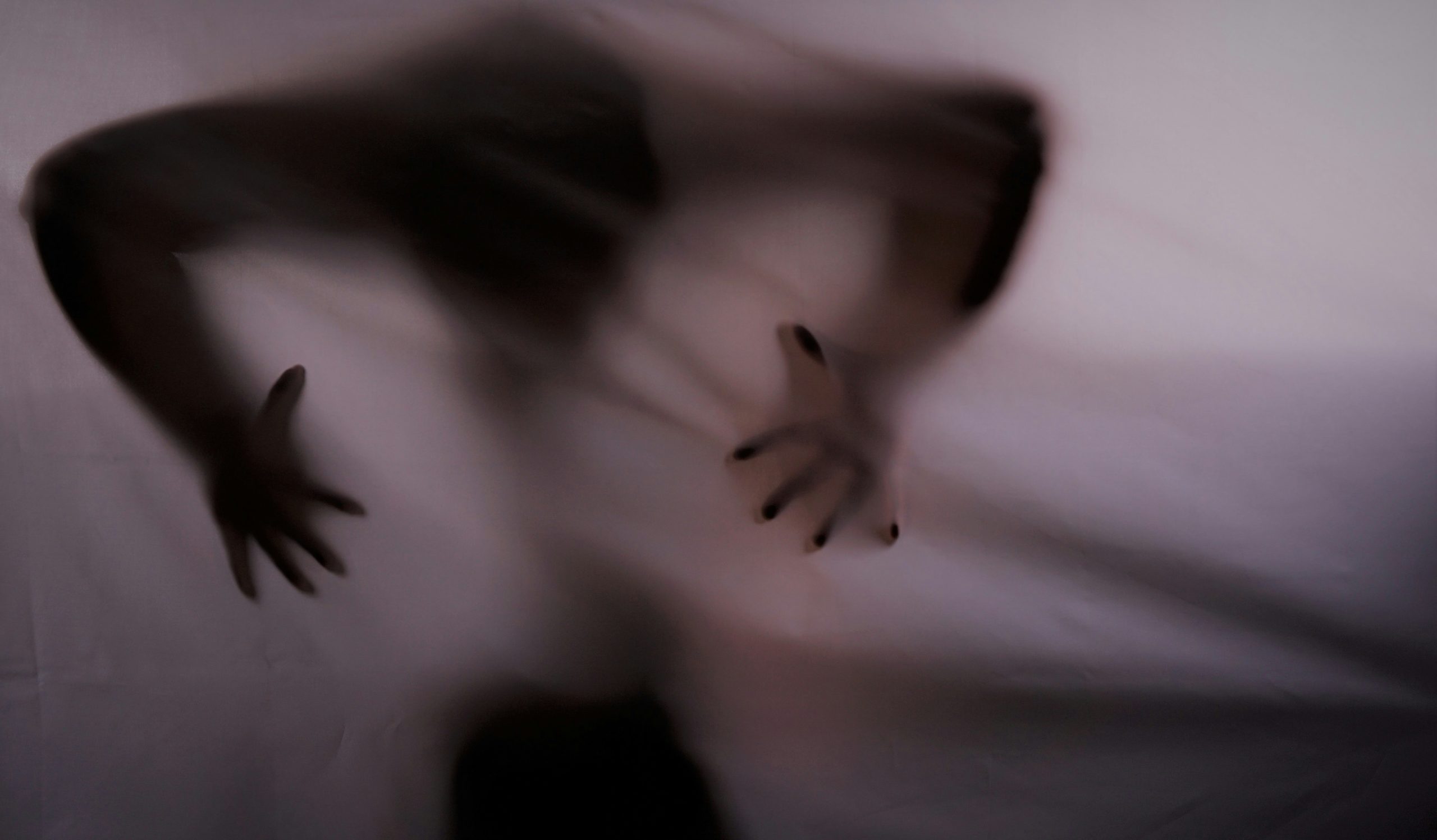
Despite this, Syquia said he believed possession could be identified through noticeable changes in a person’s behaviour and consciousness.
“You will see a change in behaviour … a different consciousness. Something else takes over a person,” he said, adding that he believed some cases required an explanation beyond science.
Mental health professionals, however, have warned against allowing supernatural explanations to delay medical treatment.
Christopher French, a psychologist and emeritus professor at the University of London, said conditions such as schizophrenia and Tourette’s syndrome had historically been mistaken for spirit possession.
“If a condition isn’t recognised as medical, it delays appropriate treatment,” he said.
The issue is particularly significant in the Philippines, where the World Health Organisation estimates there is approximately one psychiatrist for every 200,000 people, with some provinces having none at all.
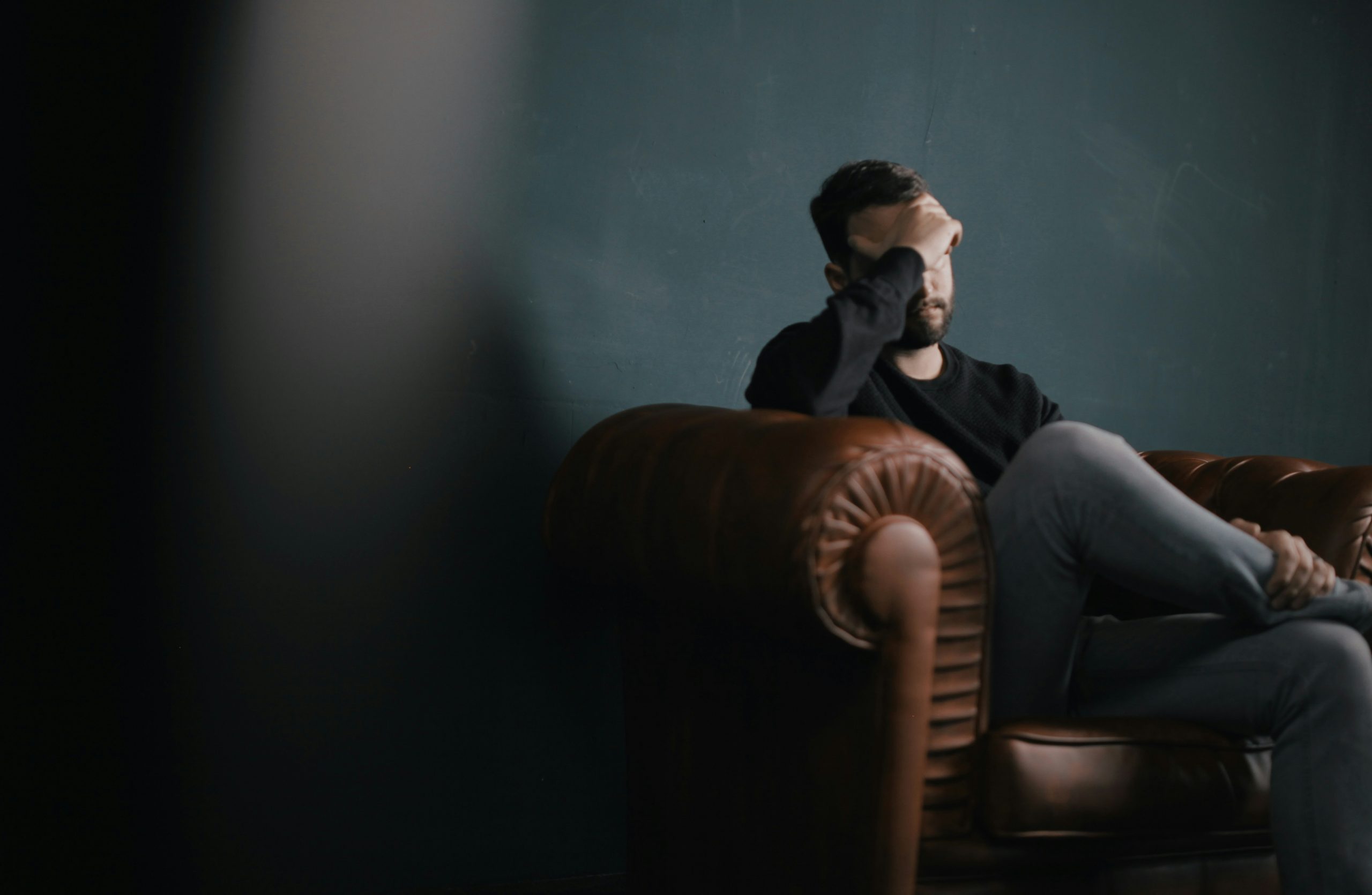
Manila-based psychiatrist Dr Kathryn Tan said many Filipinos may feel less stigma when seeking an exorcist than when visiting a mental health professional.
Some of her patients, she said, only sought psychiatric care after first consulting traditional healers.
Tan added that alleged possession was often accompanied by symptoms of psychosis, but said psychiatrists were not trying to compete with the Catholic Church. Instead, she said, the goal was to find ways for culture, faith, and medical treatment to coexist.
French said treatment could be adapted to respect a person’s beliefs without necessarily endorsing supernatural explanations, while Tan said people often turn to spiritual explanations when faced with experiences they cannot understand.
Syquia, meanwhile, maintained that science and faith could work alongside each other. He also acknowledged that better access to psychological and psychiatric care could ultimately reduce the number of cases brought to the centre.
“Science is a gift from God,” he said.
For more news, click here.
Follow JUICE on Facebook, Instagram, and TikTok.
Missed these?

How To Achieve The Emotional Impact Of A Gothic Cathedral
In a world increasingly defined by 280-character hot takes and TikTok’s fleeting bursts of serotonin, you might find yourself yearning for something… Timeless.

The Gruesome 1992 Triple-Murder Story Behind The ‘Haunted’ Jalan Turi Bungalow in Bangsar
This horrifying story is indeed true.