
 Get Audio+
 Hot FM
 Kool 101
 Eight FM
 Fly FM
 Molek FM
Peranakan & Straits Chinese Museum To Open In KL This Sept
 Thirsty for JUICE content? Quench your cravings on our Facebook, Instagram, TikTok and WhatsApp
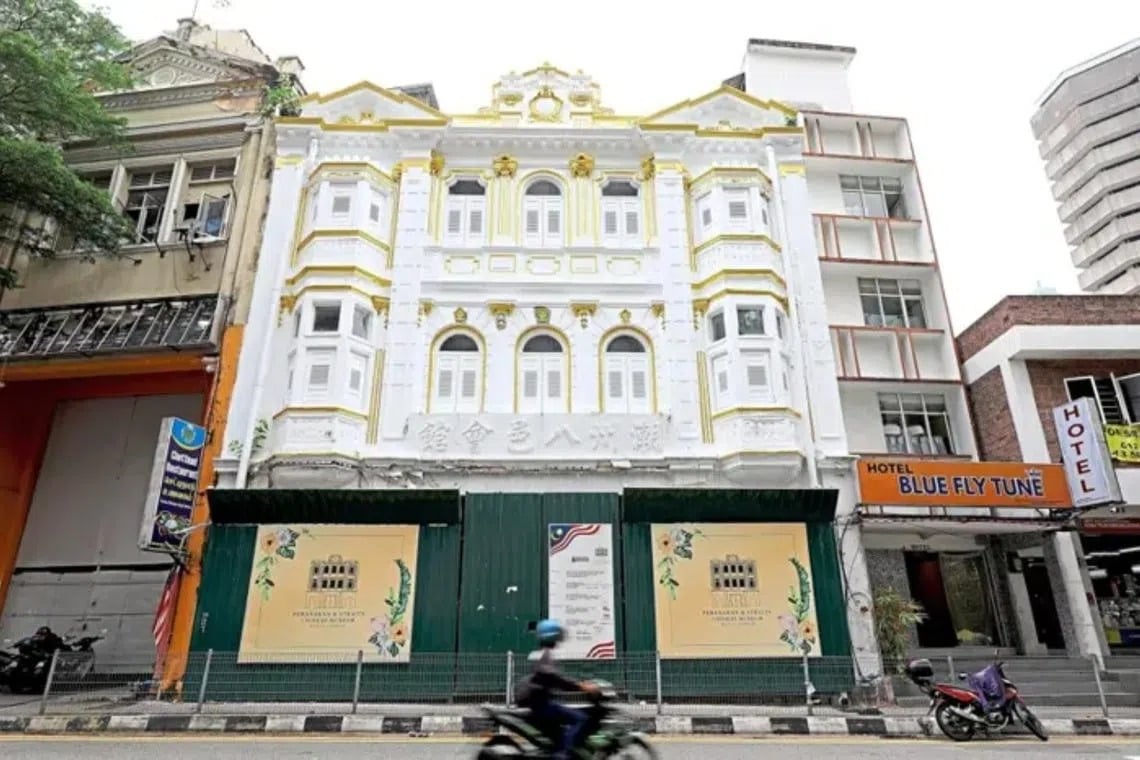
Kuala Lumpur is set to welcome a new museum dedicated to Peranakan and Straits Chinese heritage this September.
The Peranakan and Straits Chinese Museum is housed in the historic Teo Chew Association building along Jalan Ampang, where renovation work is currently nearing completion.
The project involves the adaptive reuse of the three-storey heritage building, which spans approximately 1,300 sq m. Several artefacts from the museum’s collection were recently unveiled as part of Think City’s Downtown Kuala Lumpur Grants Programme 2026.
Among them were an original Henri Marseille roof tile design manufactured by Sacoman Freres and recovered from the building’s attic, as well as a rare 1931 Peranakan publication written in Baba Malay, Khien Loong Koon Yew Kong Lam.
Museum director and chief curator Oliver Lee said the items were discovered during the restoration of the building, which had reportedly been vacant for more than a decade.
The building was constructed in 1911 by Choo Kia Peng, a prominent businessman and political figure during the British colonial period.
Originally built as a private villa and residence, it was also used to host distinguished guests and notable events, including his daughter’s grand wedding reception in 1928.
Choo Kia Peng later sold the property to the Teo Chew Association in 1929, after which it became the organisation’s headquarters. The building also hosted community activities, a free school, and a charitable medical clinic serving the wider public.
Lee, a Melaka-born antiques collector and dealer, received funding under the 2024 Kreatif KL Grants Programme to help transform the heritage building into a museum.
He said the project was inspired by his long-standing ambition to create an institution that would preserve Peranakan artefacts while also supporting research, education, and the continuation of the community’s living traditions.
The restoration and development of the museum has brought together heritage architects, conservators, museologists, researchers, and members of the Peranakan community.
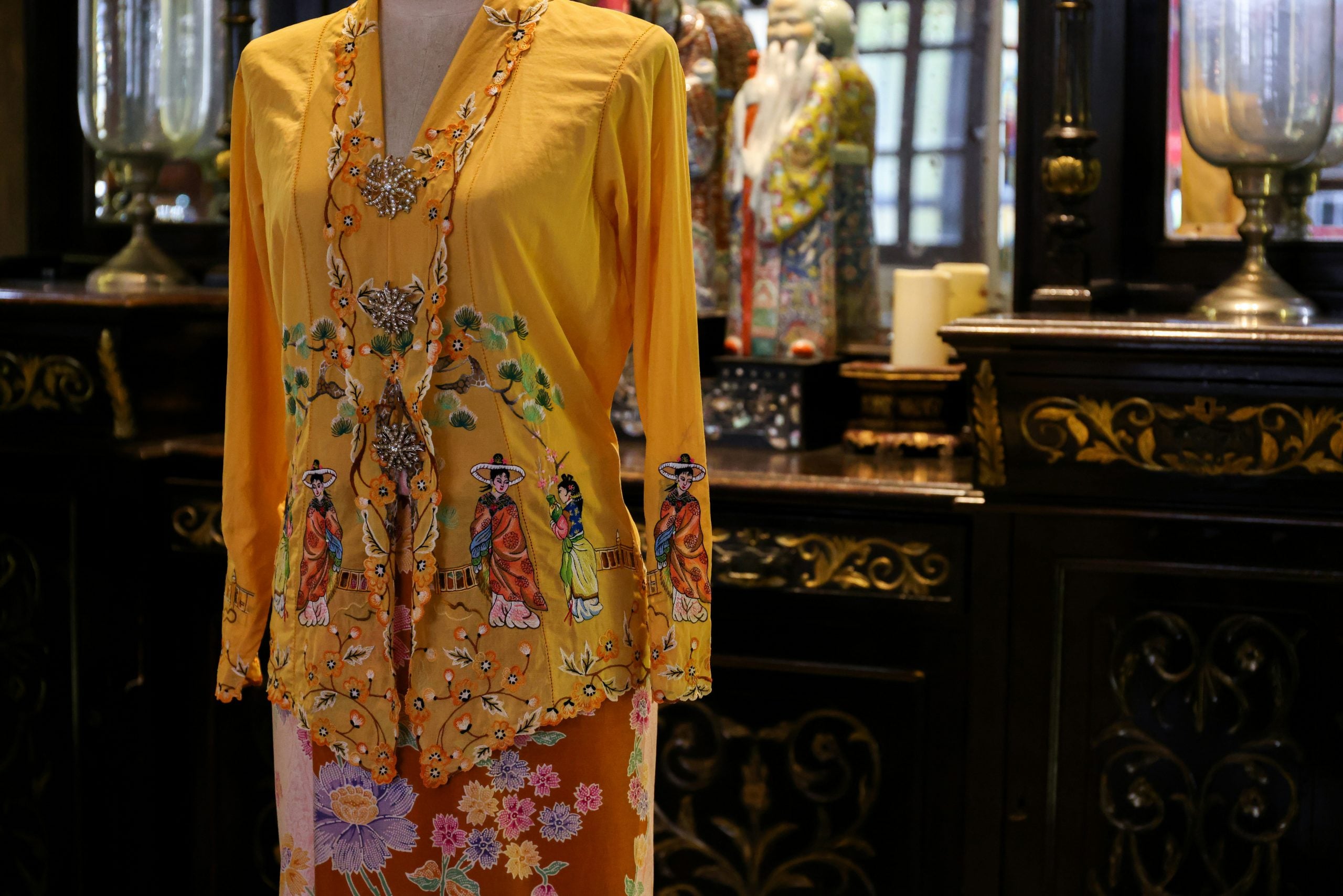
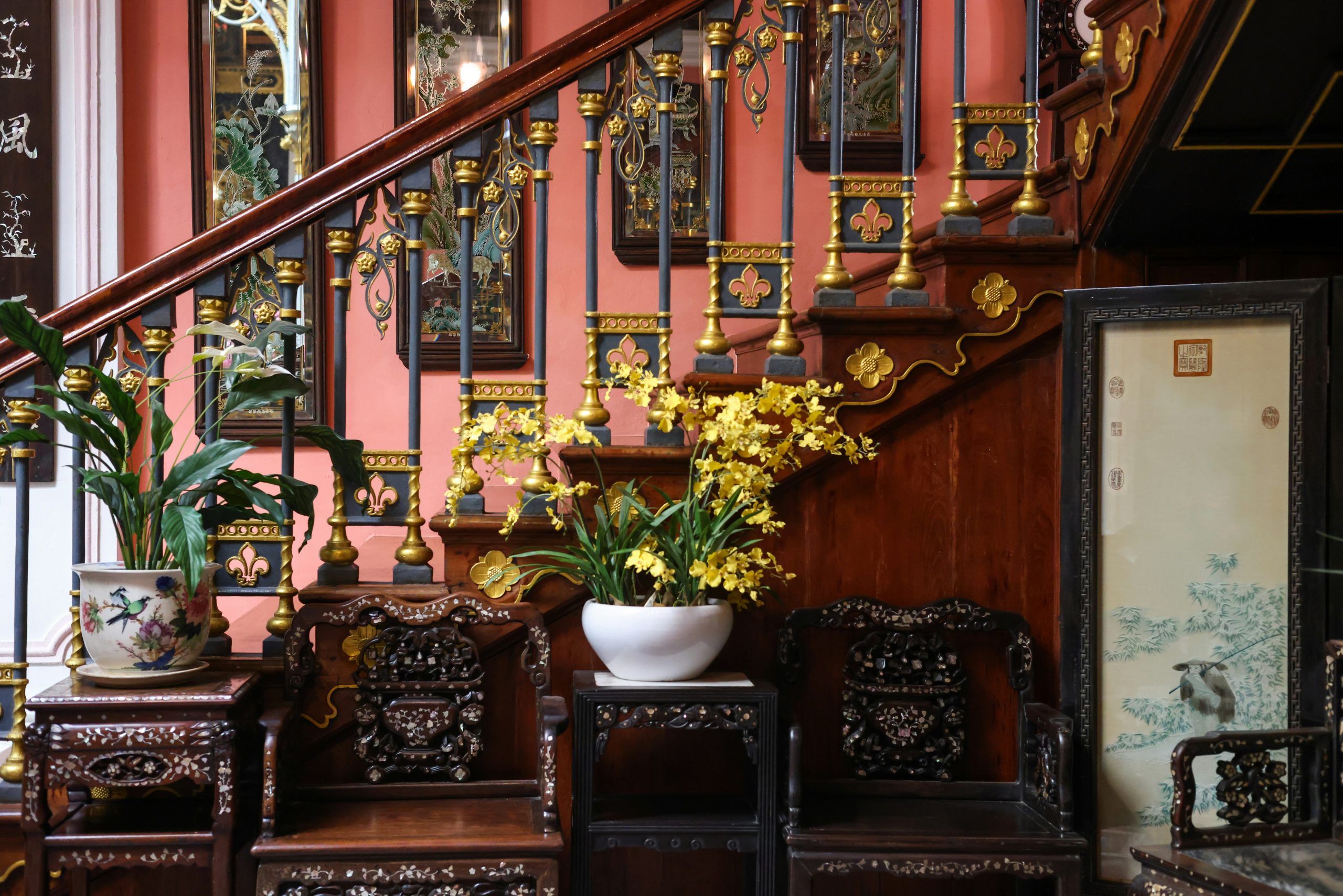
Its permanent galleries will feature furniture, porcelain, rare publications, embroidered textiles, jewellery, beadwork, ceremonial objects, shrine items, photographs, and other heirlooms reflecting the artistic traditions and cultural identity of the Peranakan community.
The museum will also work with Persatuan Peranakan Baba Nyonya Kuala Lumpur and Selangor, as well as master artisans, to organise workshops, demonstrations, and cultural programmes focused on traditional crafts including kasut manek, kebaya-making, beadwork, and embroidery.
Lee said Peranakan culture had developed through centuries of migration, trade, and cultural exchange, with different communities developing their own distinct traditions and aesthetics.
He added that Kuala Lumpur, as a multicultural capital and meeting point for different communities, provided an ideal setting to present a broader story of the Peranakan experience to both local and international visitors.
For more cool stuff, click here.
Follow JUICE on Facebook, Instagram, and TikTok.

Missed these?

How To Achieve The Emotional Impact Of A Gothic Cathedral
In a world increasingly defined by 280-character hot takes and TikTok’s fleeting bursts of serotonin, you might find yourself yearning for something… Timeless.
The Gruesome 1992 Triple-Murder Story Behind The ‘Haunted’ Jalan Turi Bungalow in Bangsar
This horrifying story is indeed true.