
 Get Audio+
 Hot FM
 Kool 101
 Eight FM
 Fly FM
 Molek FM
How Do People In Gaza Extract Water From Mud Amid A Humanitarian Crisis?
 Thirsty for JUICE content? Quench your cravings on our Facebook, Instagram, TikTok and WhatsApp
In the face of extreme water shortages, people in Gaza have resorted to extracting water from mud using makeshift filtration methods.
View this post on Instagram
The video demonstrates a step-by-step method used by Gazans to purify muddy water, a process born out of necessity due to the unavailability of clean drinking water:
Collecting the Water – The process begins with gathering water from a muddy source, often from contaminated puddles or areas where groundwater seeps through dirt. This initial water is thick with debris, sand, and organic matter.
Initial Straining – The collected water is then poured into a cloth bag, often made from a sturdy fabric or mesh, which serves as the first filtration step. The bag is squeezed, allowing a portion of the liquid to drip through, leaving behind larger solid impurities such as rocks, mud clumps, and leaves.
Sedimentation in a Plastic Bag – The strained liquid is transferred into a plastic bag, where it is left to settle. This allows heavier sediments to sink to the bottom, while clearer water rises to the top. The longer the water is left undisturbed, the more effective the sedimentation process becomes.
Further Filtration Using Fabric or Paper – The partially clarified water is then passed through multiple layers of fabric, gauze, or even repurposed paper, filtering out finer particles. This step significantly improves clarity but does not eliminate bacteria or harmful chemicals.
Final Filtering and Collection – In the last stage, the water is guided through an absorbent material, such as a tightly woven cloth, coffee filter, or tissue paper, to remove remaining impurities. The resulting water, though visibly clearer, may still contain invisible contaminants, making it unsafe by global health standards but often the only option available to Gaza’s residents.
Gaza’s water crisis has worsened due to the destruction of infrastructure, a long-standing blockade, and contamination of existing water sources.
According to humanitarian reports, over 90% of Gaza’s water is unfit for human consumption. The situation has left residents with no choice but to seek alternative methods to access drinkable water, even if it means extracting it from mud.
The resilience of Gaza’s people in the face of adversity is remarkable, but no one should have to resort to such extreme measures for basic survival. International organisations have called for immediate humanitarian aid to restore clean water access and rebuild Gaza’s water infrastructure. Without urgent intervention, the health risks associated with consuming unclean water—such as cholera and other waterborne diseases—will continue to rise.
Videos like these serve as stark reminders of the ongoing humanitarian crisis in Gaza. They urge the global community to acknowledge and act upon the suffering of those who are denied basic necessities. Clean water is a fundamental human right, and no one should have to filter mud to access it.
Malaysians can contribute to providing clean water in Gaza by supporting organisations like MERCY Malaysia, Islamic Relief and UNICEF, whom are actively involved in delivering humanitarian aid, including water, sanitation, and hygiene (WASH) programs:
- MERCY Malaysia: They are actively working on the ground in Gaza, including projects like the Maintenance of Al-Zaytoun Water Station, which involves repairing desalination plants, supplying water tanks, restoring water networks, and installing solar panels.
- Islamic Relief Malaysia: They have a long history of working in the Occupied Palestinian Territory, providing food aid, clean water access, shelter, and other essential services.
- UNICEF Malaysia: They are also involved in providing clean water and sanitation solutions in humanitarian situations, including Gaza.
Head to JUICE Malaysia for more news and features.
Missed these?

How To Achieve The Emotional Impact Of A Gothic Cathedral
In a world increasingly defined by 280-character hot takes and TikTok’s fleeting bursts of serotonin, you might find yourself yearning for something… Timeless.

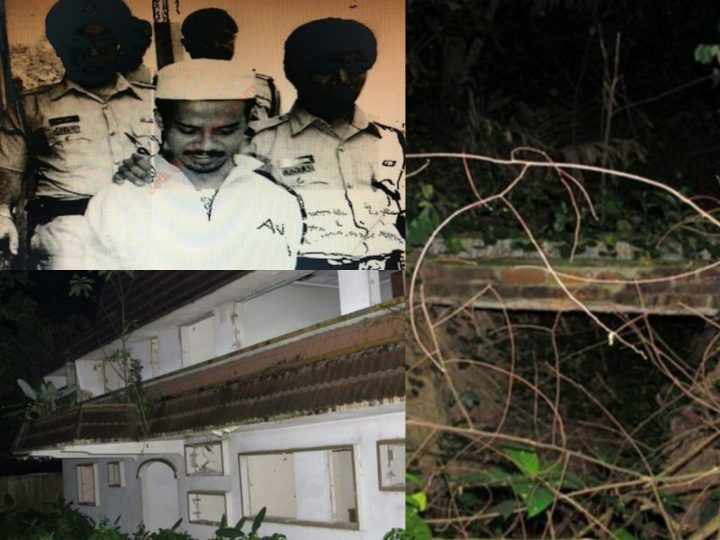
The Gruesome 1992 Triple-Murder Story Behind The ‘Haunted’ Jalan Turi Bungalow in Bangsar
This horrifying story is indeed true.