
 Get Audio+
 Hot FM
 Kool 101
 Eight FM
 Fly FM
 Molek FM
M’sia Cracks Down on ‘Hike-Tok’ Trends After Wave of Rescues
 Thirsty for JUICE content? Quench your cravings on our Facebook, Instagram, TikTok and WhatsApp
If you’ve ever seen your favourite hiking influencer explore a beautiful hidden gem that’s just “in your backyard”, you might want to think very long and hard about recreating that same feat if you’re inexperienced.
Malaysia is set to crack down on various hiking social media trends after a surge in rescue numbers in recent months.
It might look good on social media but it isn’t always worth it
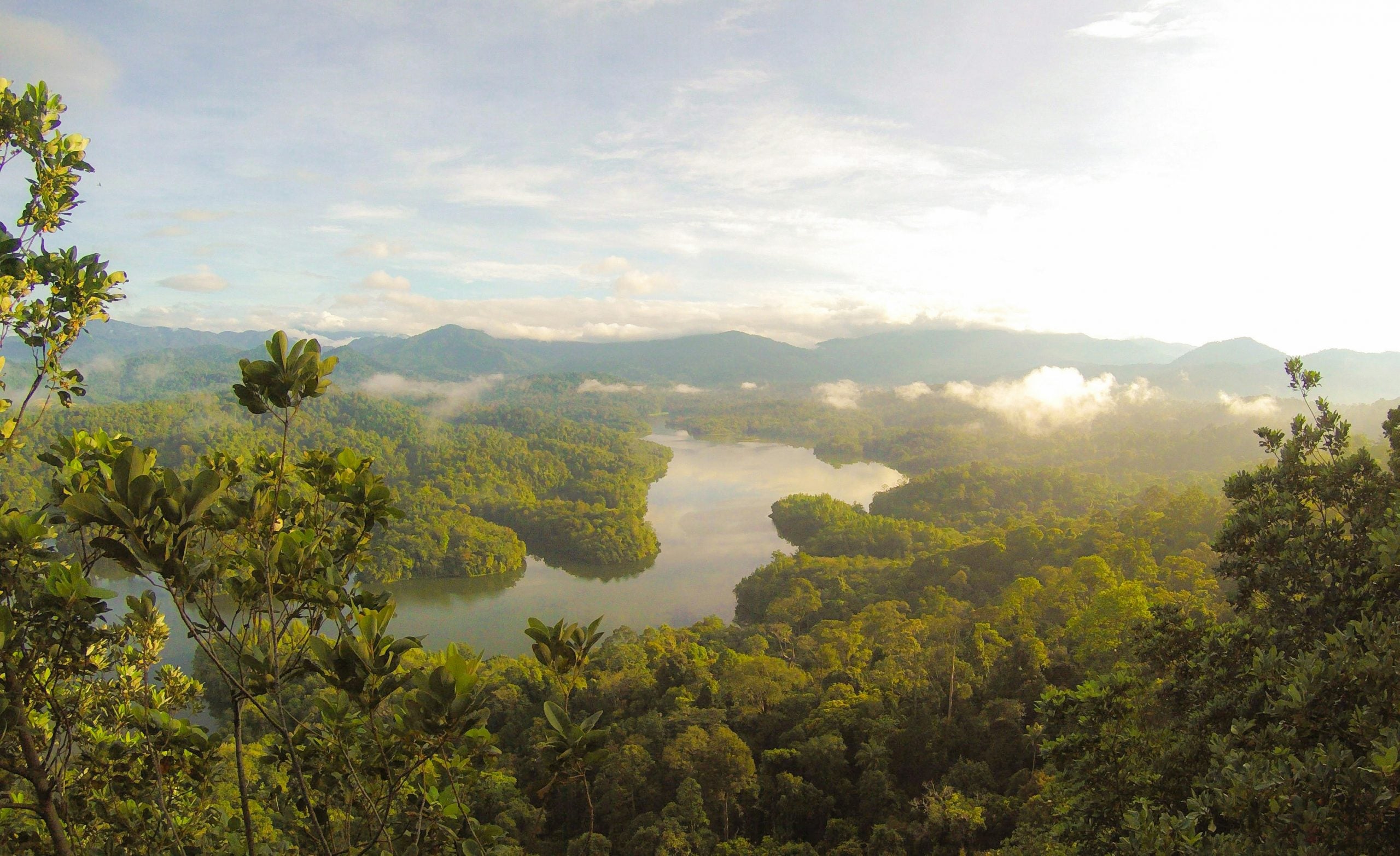
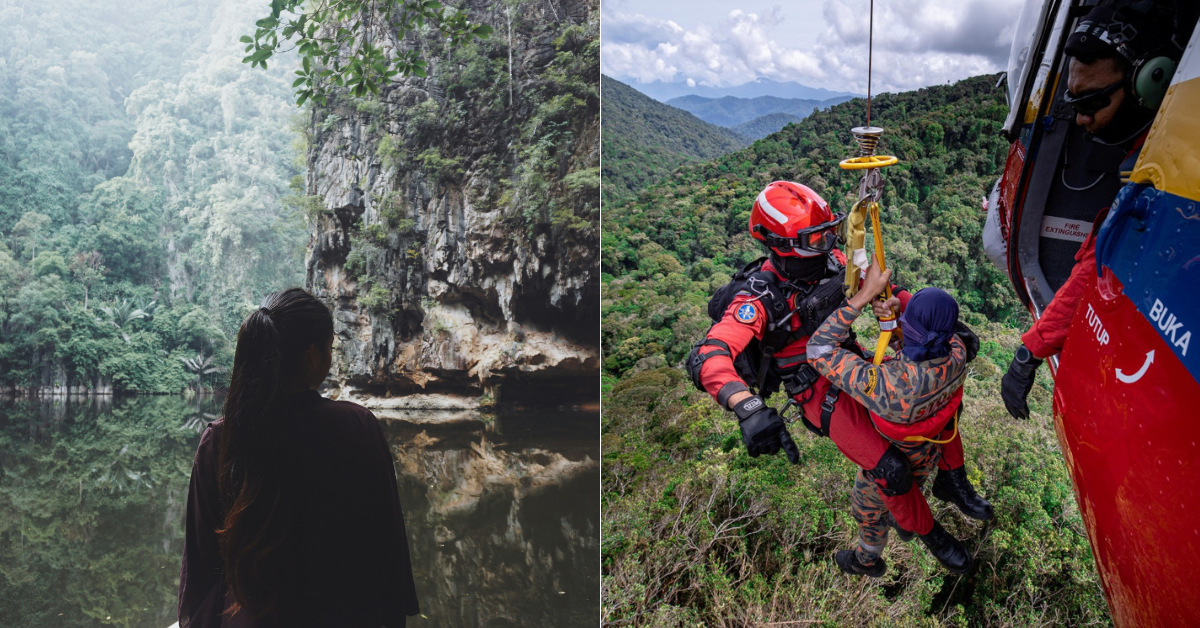
According to the Malaysian Fire & Rescue Department, there were 52 cases of lost hikers in the first five months of 2026 alone. That’s an increase of 30% over the previous year during the same period.
While that represents a worrying surge in rescue operations, such incidents are entirely avoidable if hikers refrained from recreating viral hiking trends, usually pushed by hiking influencers on TikTok (or Hike-Tok, as the community calls it).
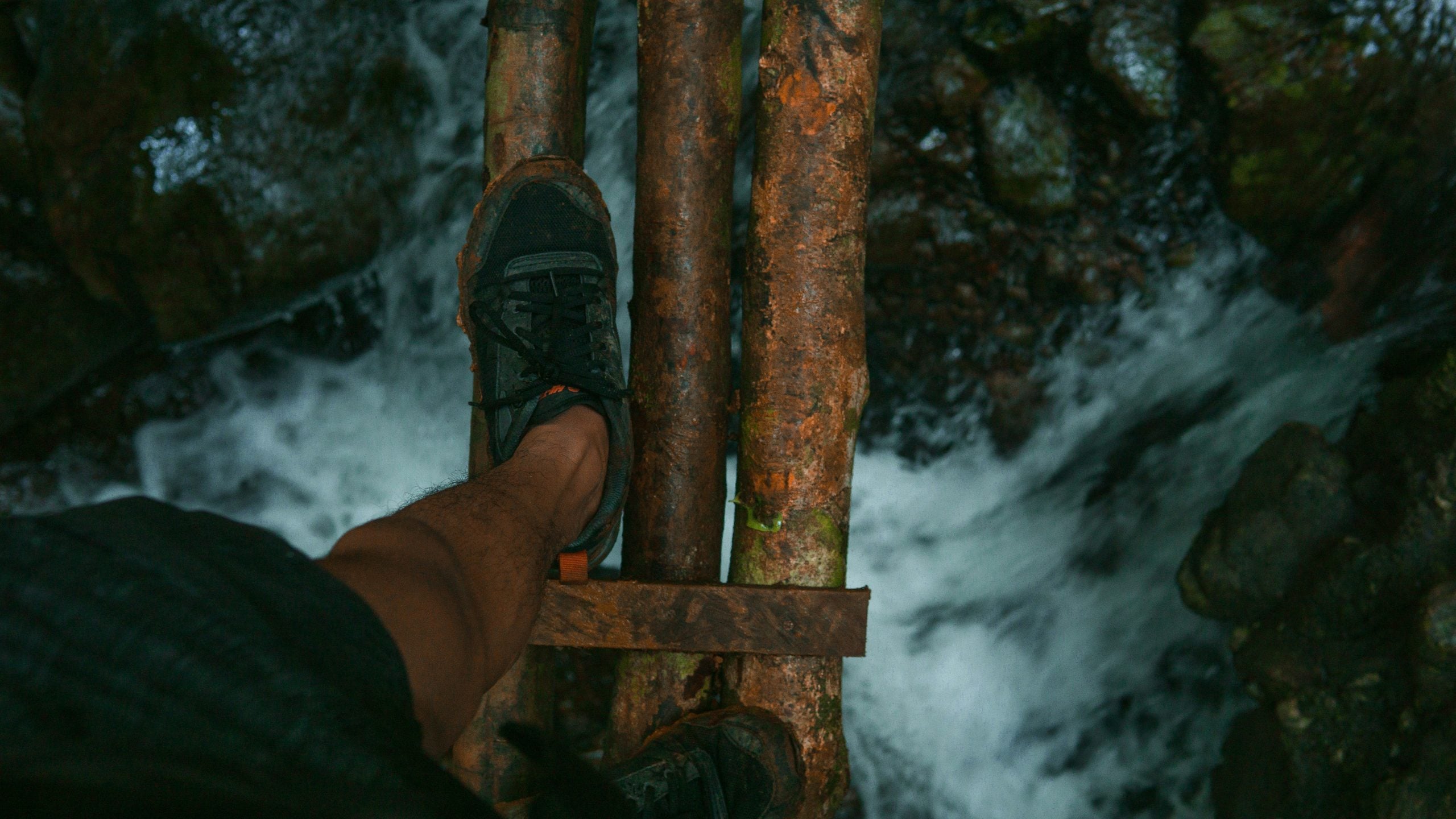
Such trends include “compressed hikes”, which takes existing (and very demanding) hikes that usually require more than a day’s worth of movement and shortens them so they can be completed within a day. You can probably guess that this isn’t the brightest idea, especially if an inexperienced hiker were to attempt it.
Another trend is peak-bagging (or bagging peaks), which is the loose hiking equivalent of Pokémon GO. But instead of catching critters, you’re climbing to the peaks of hills and mountains in specific locations, “adding” them to your collection.
While these things can technically be achieved without problems, their virality makes everyone believe they can do it with very little preparation or training (if at all).
But what kind of rules do prospective hikers in Malaysia need to follow, so as not to get themselves in trouble and take up unnecessary manpower?
Hikers will need to undergo pre-climb screening procedures, which include health declarations, medical history checks, as well as insurance coverage. Compressed hikes have also been restricted in high-risk areas in the state of Perak.
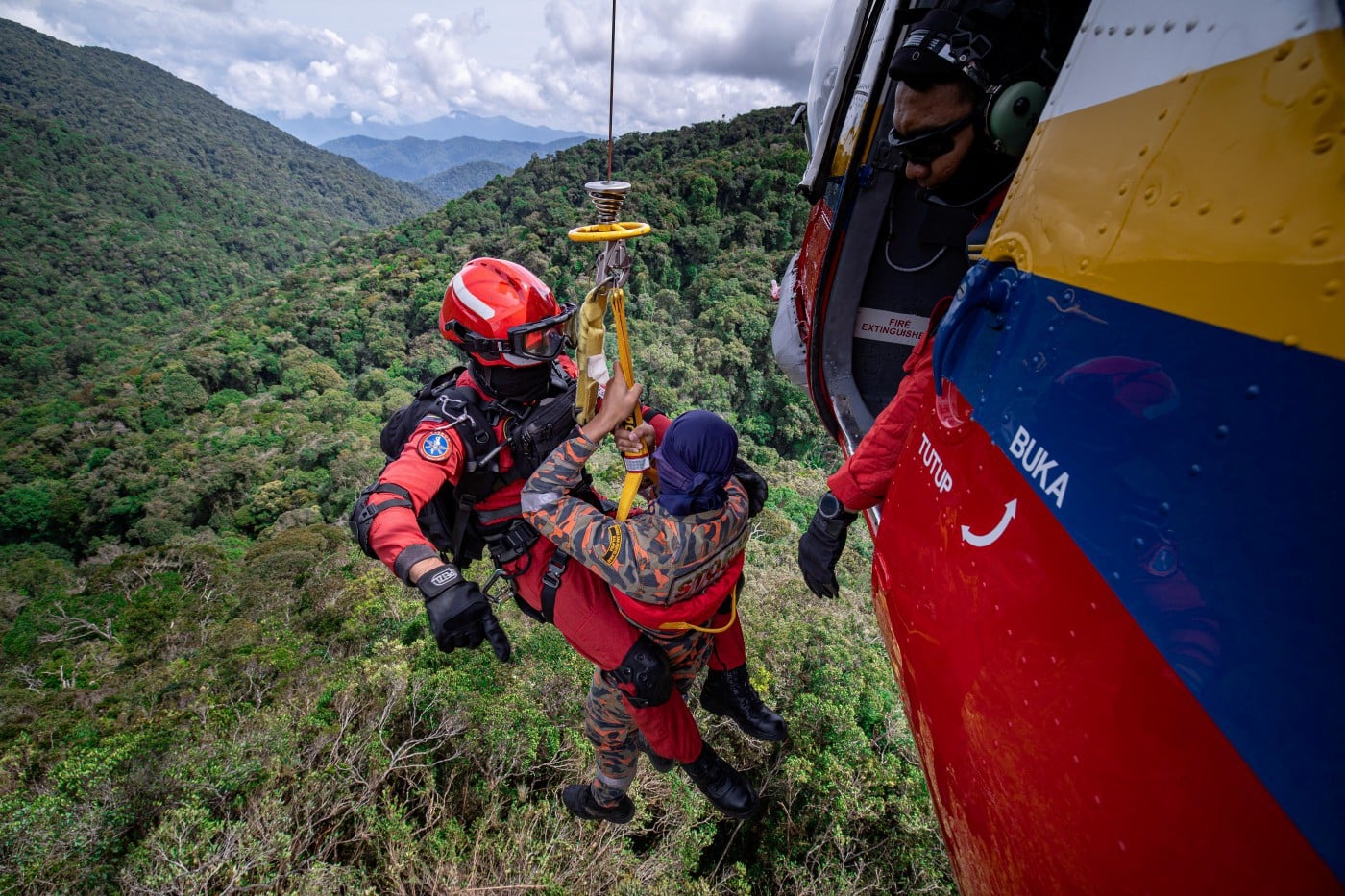
“The government’s priority is to reduce the risk of hikers getting lost and prevent accidents, thereby minimising the need for SAR operations, which require substantial financial resources and manpower,” said Natural Resources and Environmental Sustainability (NRES) Deputy Minister Syed Ibrahim Syed Noh.
“Our approach is aimed at preventing incidents before they occur by reducing the risks of extreme fatigue, disorientation, and other emergencies.”
For more news, click here.
Follow JUICE on Facebook, Instagram, and TikTok.

Read more:

Massive Attack “Surprised & Disappointed” By Ban Over Palestine Flag Display
Massive Attack have long been vocal about political issues, including the war in Gaza. Del Naja was also arrested earlier this year during a protest in London.

Global Warming Is Increasing Malaysia’s Jellyfish Population
While this might sound like a “nature is healing” moment, it’s the complete opposite, and it negatively effects every other marine species as well.
Malaysia Aims To Produce First Local Human Vaccine by 2028
Aside from cutting costs, a locally produced vaccine will also help Malaysia better prepare for future health crises, like the COVID-19 pandemic.