
 Get Audio+
 Hot FM
 Kool 101
 Eight FM
 Fly FM
 Molek FM
KL Ranks 2nd in SEA Salaries, but It Doesn’t Feel Like It
 Thirsty for JUICE content? Quench your cravings on our Facebook, Instagram, TikTok and WhatsApp
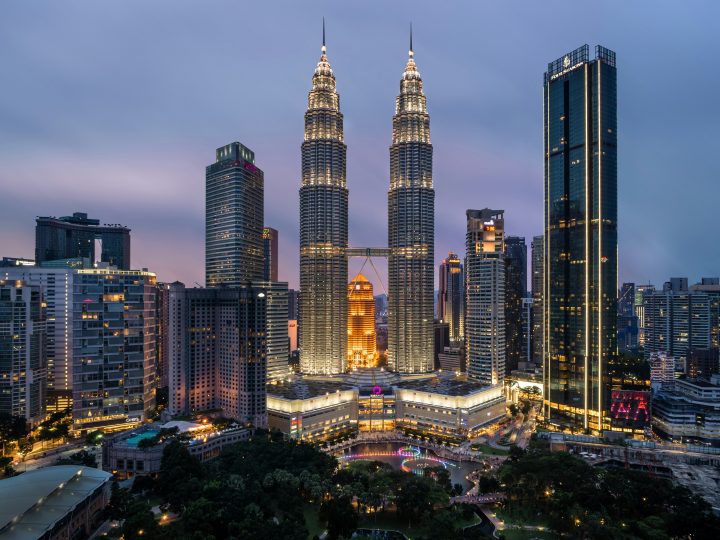
According to a recent survey that compiled publicly available labour and wage data from various ASEAN countries, Kuala Lumpur has the second highest average monthly salaries in Southeast Asia.
The city that tops the list is, of course, Singapore. No one’s surprised by that. But KL’s second place ranking might come as a reflection of changing times in the Malaysian capital.
On paper, the numbers look pretty solid. The average KL worker earns about US$1,321 (around RM5,208), putting the capital ahead of major cities in Thailand, Indonesia, and the Philippines.
Malaysia dominates the upper end of regional salaries
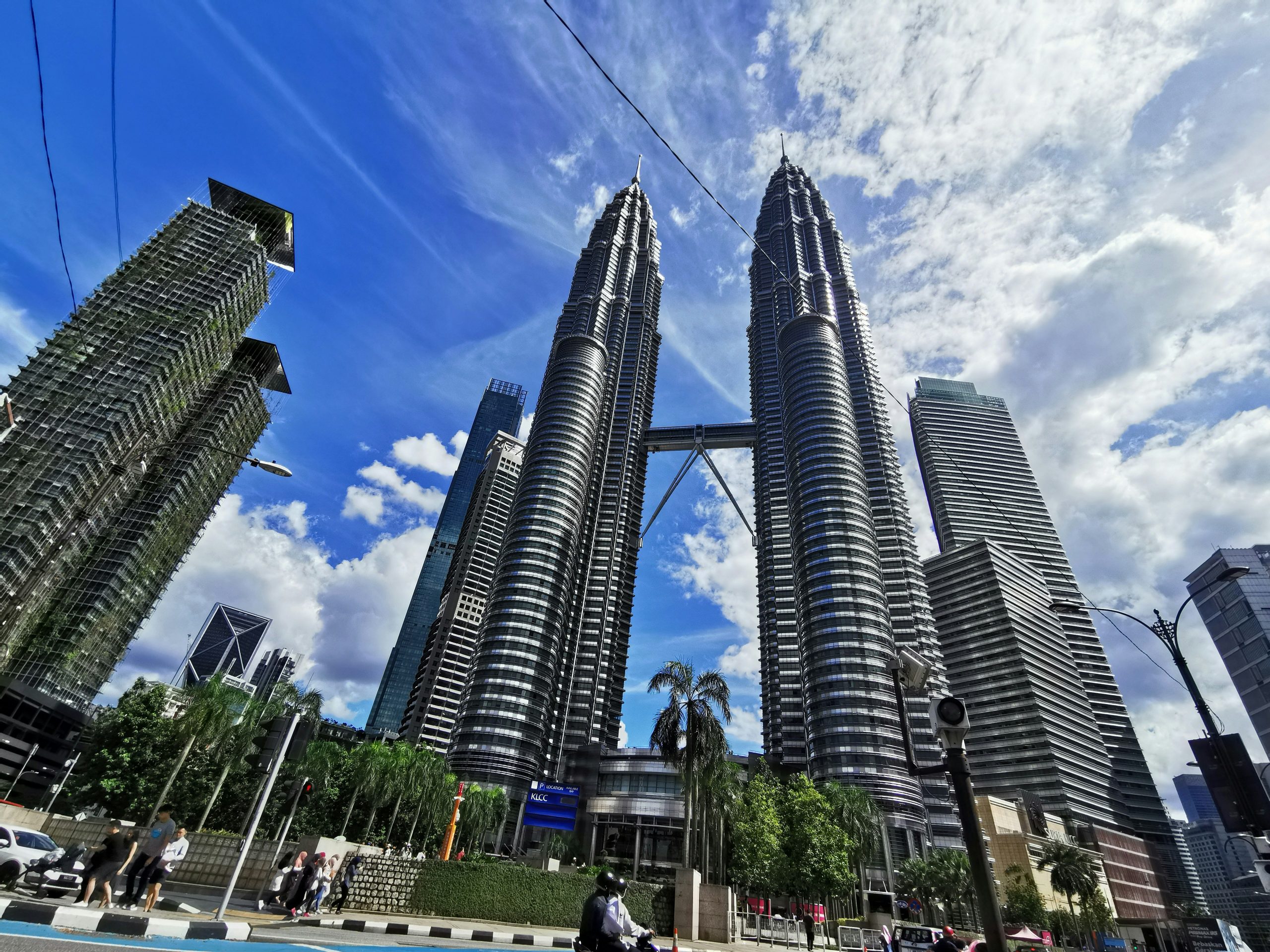
You might expect to see other major cities like Bangkok and Jakarta in the upper ranks of the list, but a few more Malaysian cities and states take those spots. They include Putrajaya (third), Selangor (fourth), as well as Labuan, Penang, and Johor.
All these cities pay higher average wages compared to other regional hubs.
But here’s the part many KL folks (and Malaysians in the grand scheme of things) will raise an eyebrow at: if you’re B40 or M40, working in the city, that RM5,200 “average” probably doesn’t feel like your reality at all.
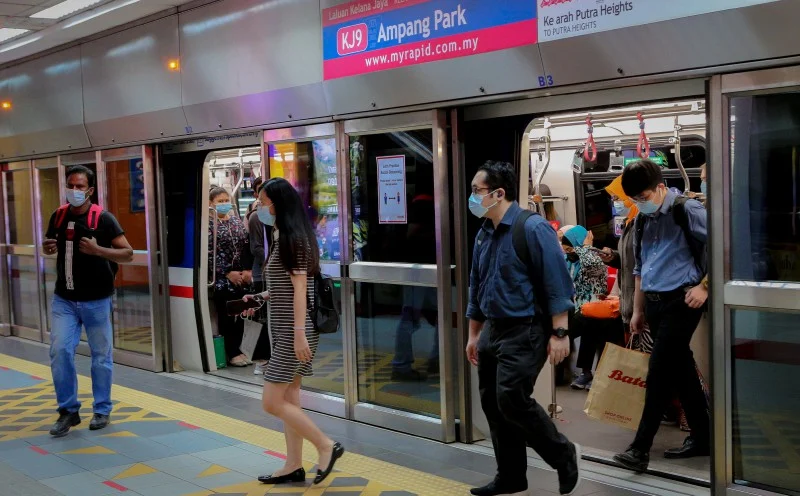
Averages have a tendency to smooth over the messier bits of data. They blend fresh grads earning RM2,500 with professionals taking home five figures, then present the result as something everyone is supposedly close to.
In a city where rent and other essential bills can completely decimate a paycheck, and lunch rarely costs under RM10 anymore, that average will start to feel more theoretical than realistic.
For KL’s working class, especially those commuting daily, juggling childcare, or supporting family back home, the cost of living often outpaces whatever wage growth (if any at all) shows up in reports.
Housing remains the biggest pressure point. A salary that looks competitive regionally can feel painfully tight once rent, loans, groceries, and transport are factored in.
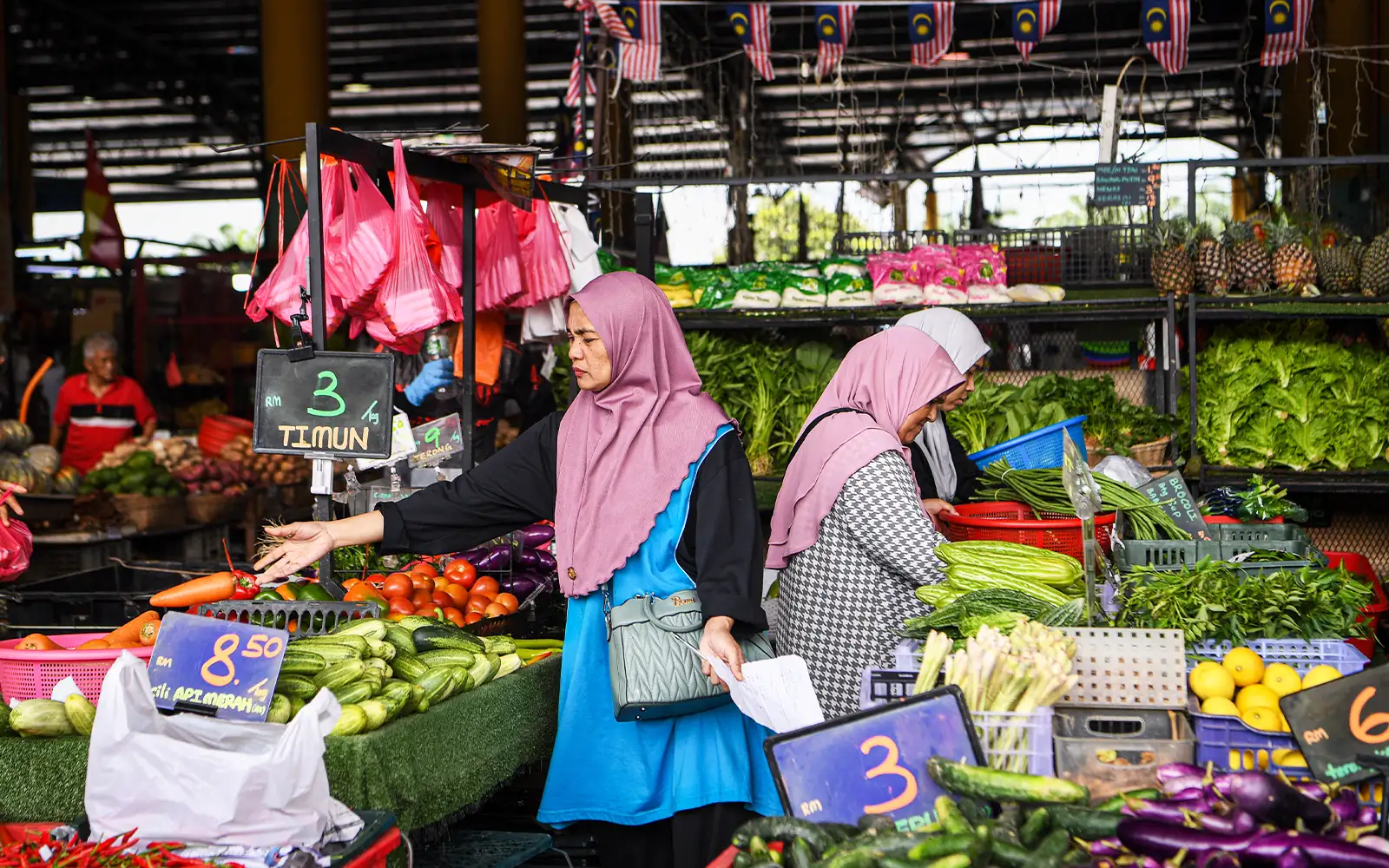
While you might see the ranking as proof that KL is still economically relevant and globally competitive, others might view it as yet another reminder that figures don’t necessarily amount to real-world experience.
Economists, however, do agree that the data is useful. It’s just not definitive, is all. It’s essentially a benchmark that doesn’t reflect the quality of life. It also doesn’t capture income gaps, job insecurity, stagnant entry-level wages, or how far RM1 can actually get you in KL today. Hint: not far at all.
KL might be Southeast Asia’s second-best-paying city on average, but for many of us, the real quesion isn’t where the city ranks, but whether our salary can even keep up with life here.
For more news, stick with JUICE Malaysia.

Read more:
Anthony Loke Wants To End JPJ Roadblocks With ANPR Tech
Loke says there’s just one problem with roadblocks. They’re inefficient. Stopping vehicles en masse creates narrow bottlenecks that waste a lot of time.

PAS Flags “Cultural And Safety Concerns” Over Bukit Bintang Water Festival
“Tourism should not be viewed purely as entertainment,” Sukri wrote, adding that it should prioritise community wellbeing, and the country’s image.
Kuala Lumpur Ranks Among Asia’s Top 10 Lunar New Year Destinations
Lunar New Year, which also marks the arrival of spring and a fresh start, remains a meaningful time for reconnecting with loved ones and embracing renewal.