
 Get Audio+
 Hot FM
 Kool 101
 Eight FM
 Fly FM
 Molek FM
iPhone 17 Pro, 8 Months Later: The Whole Is Greater Than the Sum of Its Parts
 Thirsty for JUICE content? Quench your cravings on our Facebook, Instagram, TikTok and WhatsApp
I’ve spent just over eight months with the iPhone 17 Pro, and after all this time, I’ve come to view it as one of Apple’s most polished smartphones to date. It might sound like a broken record at this point, especially in the context of the last two or three iPhone generations, but it still rings true nonetheless.
It certainly isn’t perfect (I’ve got some gripes with it, which I’ll discuss in this review) but it all depends on your expectations. First, if you were expecting a dramatic redesign with the 17 Pro, it seems Apple is saving that for a later iPhone, Camera Plateau aside.
In terms of software, don’t expect any radical changes there either, aside from a cosmetic makeover with Liquid Glass.
But like the title of this review says, focusing on one particular area doesn’t make the iPhone 17 Pro a compelling device. When you put them all together? That’s something worth talking about and unpacking.
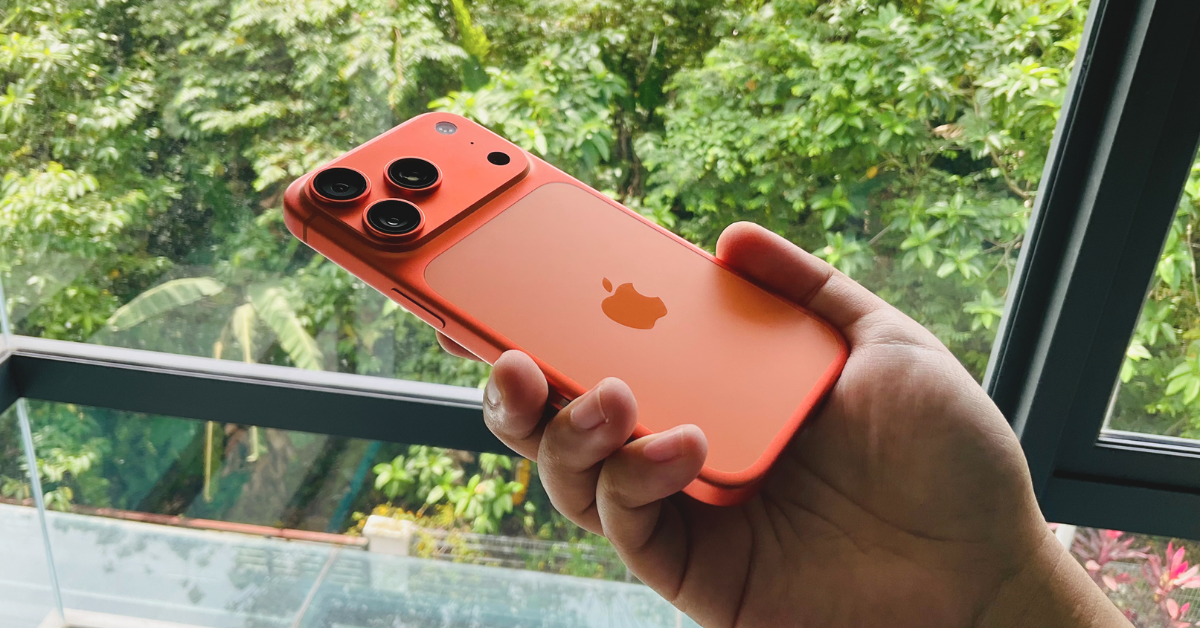
An all-new aluminium construction in Cosmic Orange: You either love it or hate it
When I first got my hands on the iPhone 17 Pro in September last year, I decided to go at least the first month caseless, considering I got what’s perhaps the most fun and vibrant colour ever offered in a “Pro” iPhone: Cosmic Orange.
While I traditionally lean towards Silver or White variants (I still maintain that “Natural Titanium” is KING), I found Cosmic Orange to be a pleasant addition to the colour options for this iPhone lineup. But because it’s such a vibrant colour, it’s also become the most divisive option.
Critics argue the colour in real life strays too far from official photos, pointing to the dual-tone look caused by the back glass panel (we need it to be glass in order to retain MagSafe charging).
I quite like it, though. It’s a chameleon. Under different lighting, the colour gracefully shifts between copper, bronze, and sometimes even rose gold. If you’re not a fan of any of those colours, maybe Cosmic Orange isn’t for you and this argument is null and void.
View this post on Instagram
That said, the 17 Pro’s finish isn’t perfect. The iPhone 15 Pro and 16 Pro shifted from stainless steel to titanium, upping the phone’s durability and premium feel. The 17 Pro, on the other hand, is primarily made of aluminium, which has proven to be much more prone to scratching and denting.
It’s admittedly got a less premium feel compared to its predecessors, but since the back of the phone is not entirely glass anymore, I don’t worry too much about fingerprints and smudges. They’re not as visible on aluminium.
The camera plateau, among other things, is a welcome change
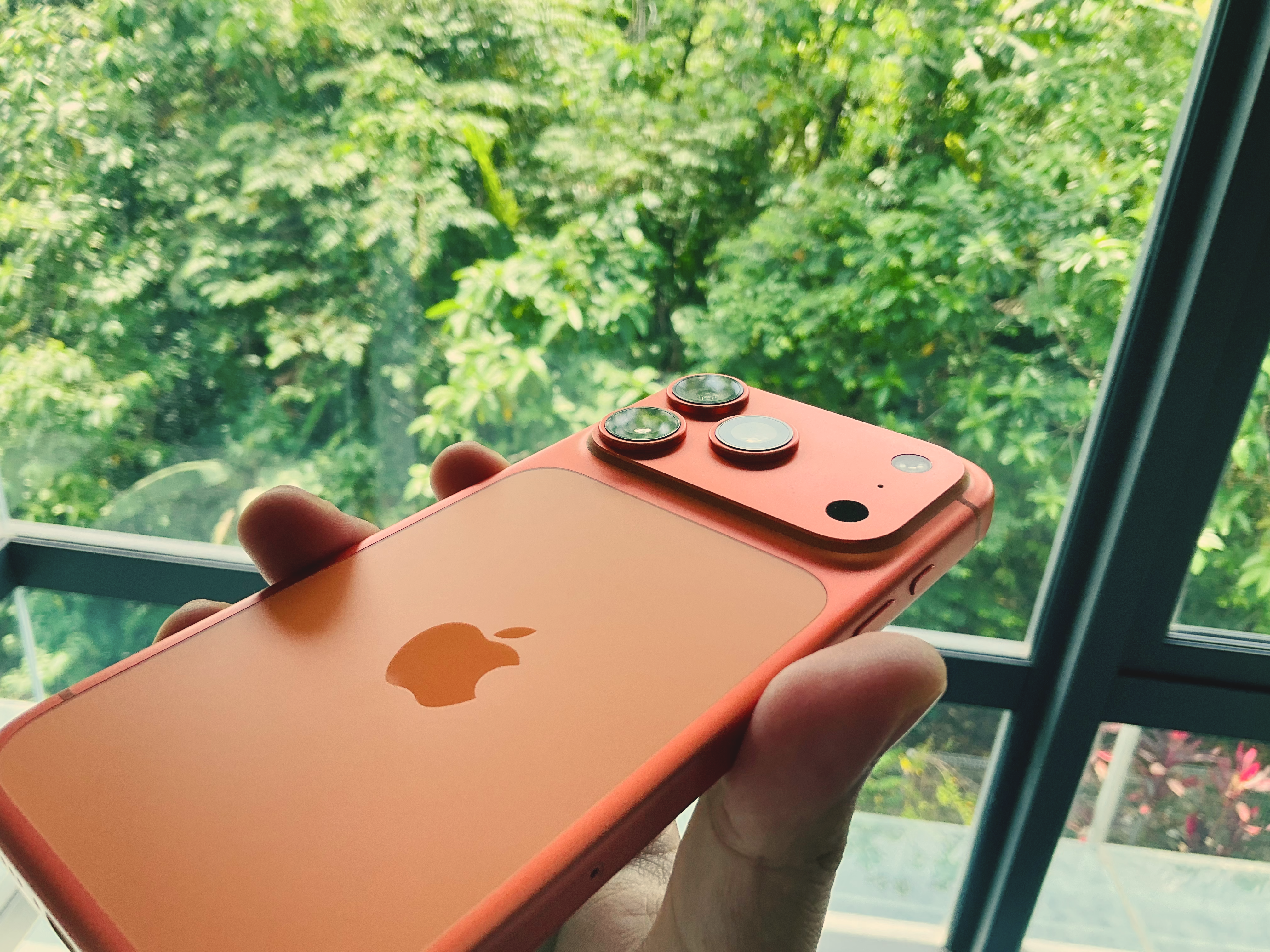
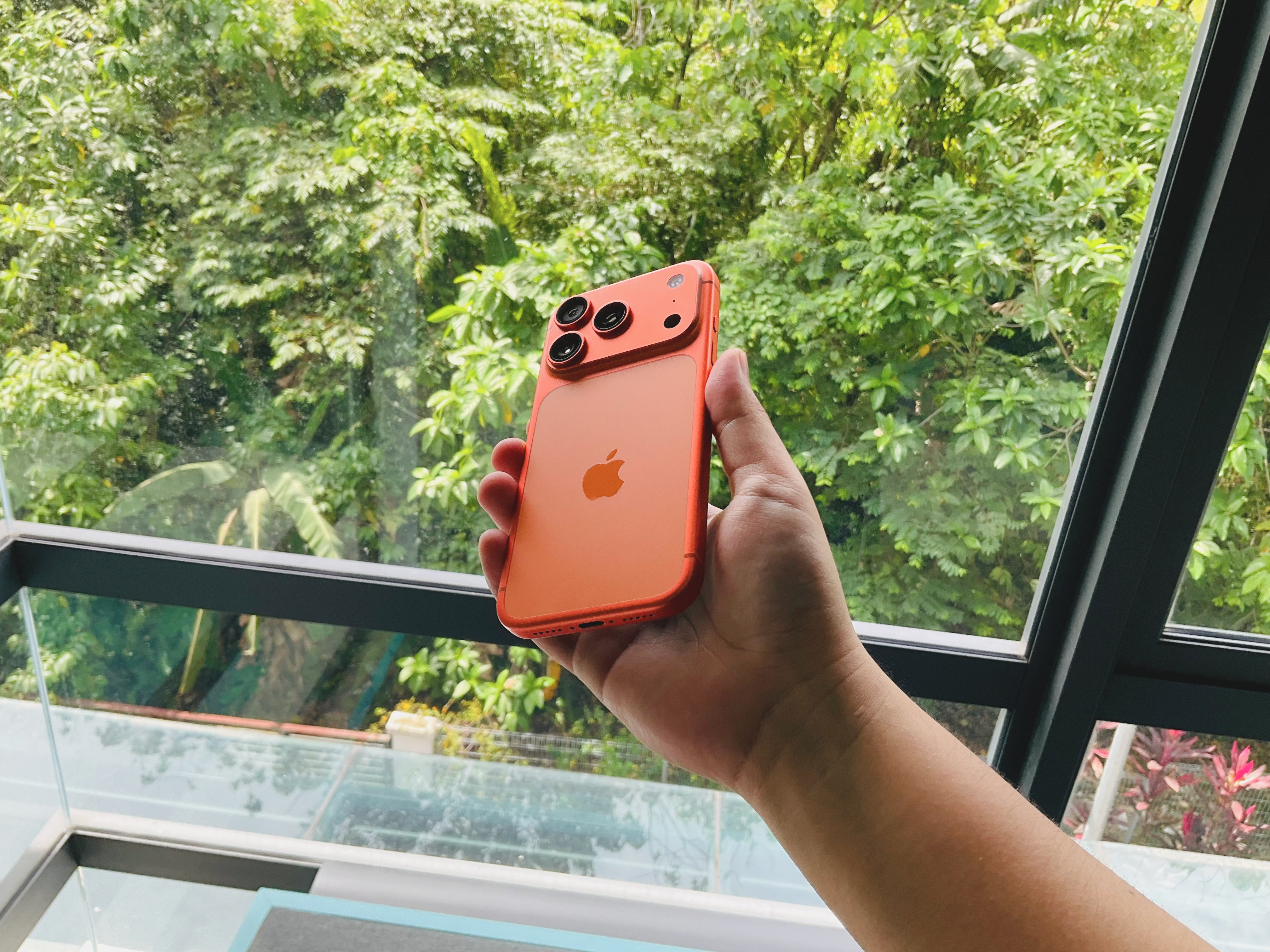
When I first looked at leaked renders of the 17 Pro a few weeks prior to its official announcement, I have to admit I was quite frankly confused by the camera bump’s transformation into the “Plateau” we all know today.
But as you might already know by now, its design is intentional, as with everything Apple makes. It houses extra components that are used to bolster performance, which frees up the rest of the phone for the battery and thermal management. That’s impressive use of space.
Despite my initial surprise, I’ve come to appreciate the Camera Plateau not just for its looks but for its real-world practicality as well.
My phone doesn’t wobble as much when I put it on the table, face up. The lower edge of the Plateau also gives my finger a perfect “anchor” point for when I’m holding the phone. It’s quite a secure grip, especially for those who prefer their iPhones naked.
A more efficient battery and thermal management make the iPhone 17 Pro a true workhorse
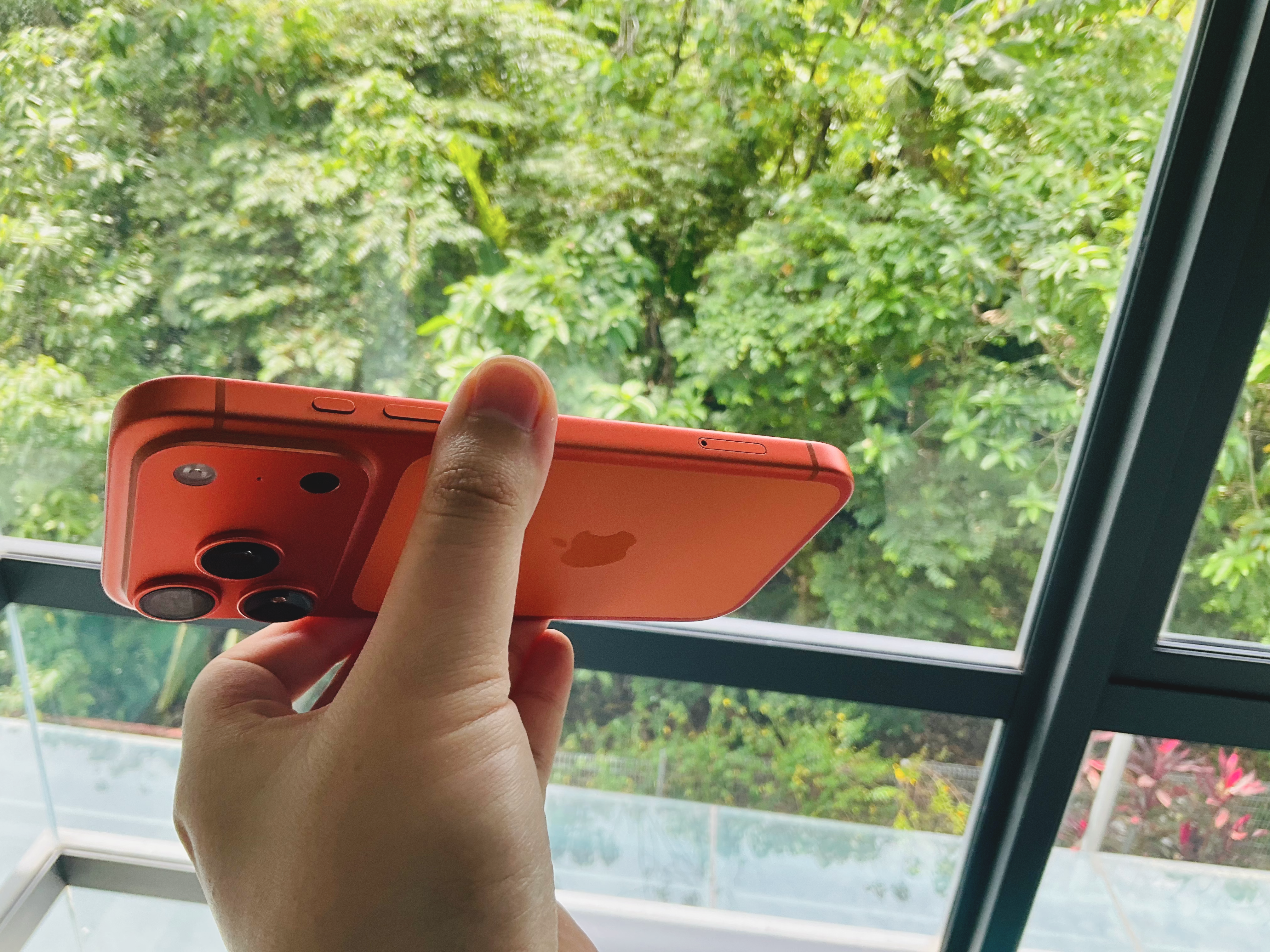
For customers in North America, Mexico, Japan, and the UAE, the iPhone 17 Pro is offered as an eSIM-only model. For the rest of the world, including Malaysia, our only choice is the conventional SIM version, which naturally features a physical SIM tray.
Why am I harping on about SIMs? According to various reports, 17 Pro models that come as eSIM-only units feature a slightly bigger battery than their conventional SIM counterparts.
The most logical explanation for this difference in battery size is the fact that a physical SIM tray takes up a little more space in the iPhone’s body, thus reducing battery capacity.
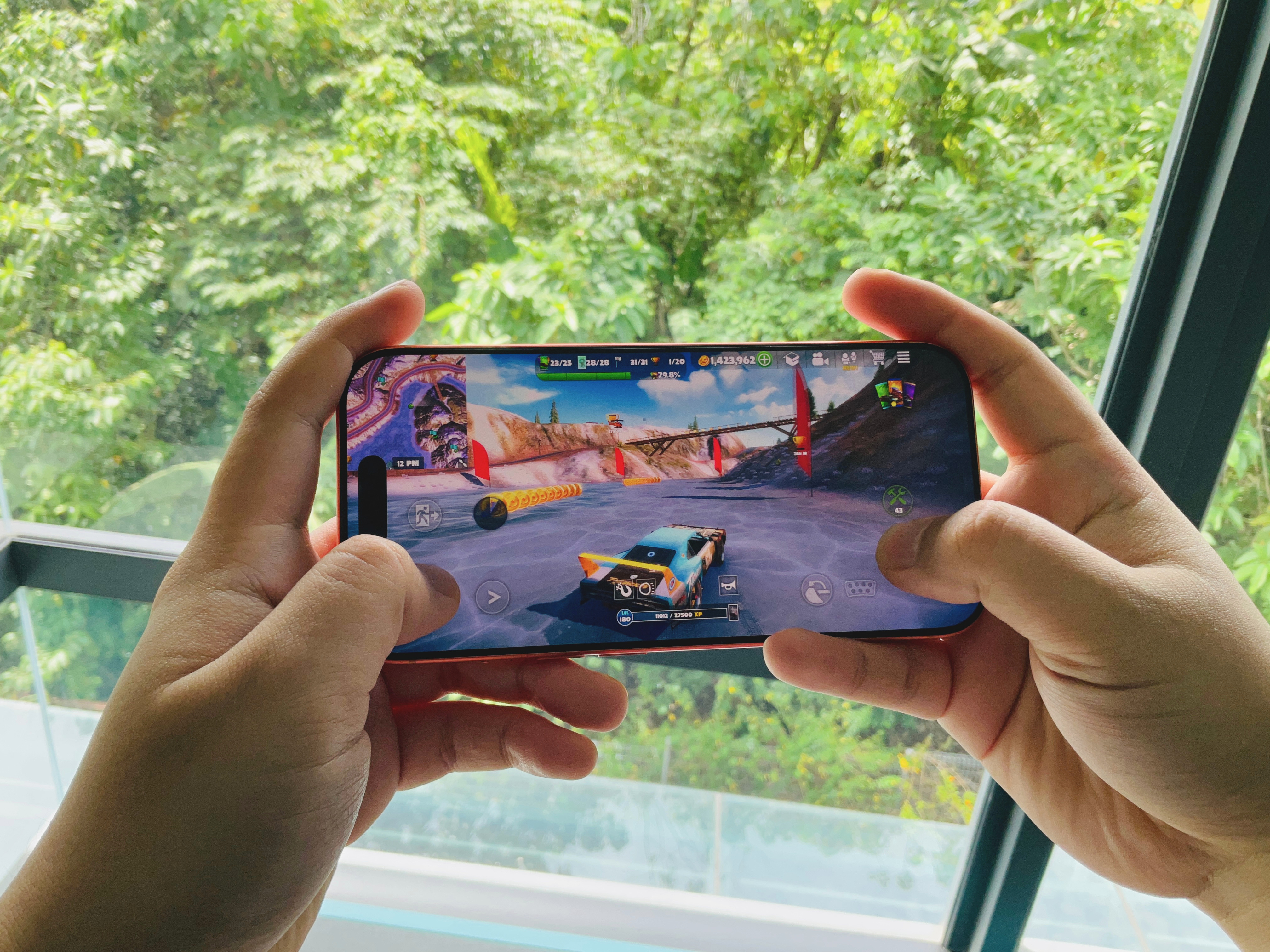
Still, I don’t feel like I’m missing out at all in terms of all-day usage. I can easily get through an entire day (9 a.m. to 9 p.m.) on a single full charge. Am I cutting it a little close as the day comes to an end? Sure. But it’s definitely doable.
All I need to do is give it a quick 30-minute charge before bed and I’ll have more than enough juice to get through to the next morning, when I charge it fully. Your charging habits may differ and produce varying results.
Even when I’m putting the iPhone 17 Pro through its paces, the worst it ever gets is warm, not uncomfortably hot like past models sometimes got.
It’s all thanks to the newly introduced Vapor Chamber, which contains a small amount of liquid that turns heat into steam (or vapor), redistributing it to cooler areas of the phone, where it eventually cools down and turns back into liquid. It’s pretty nifty.
The front and rear camera setup is more reliable than ever
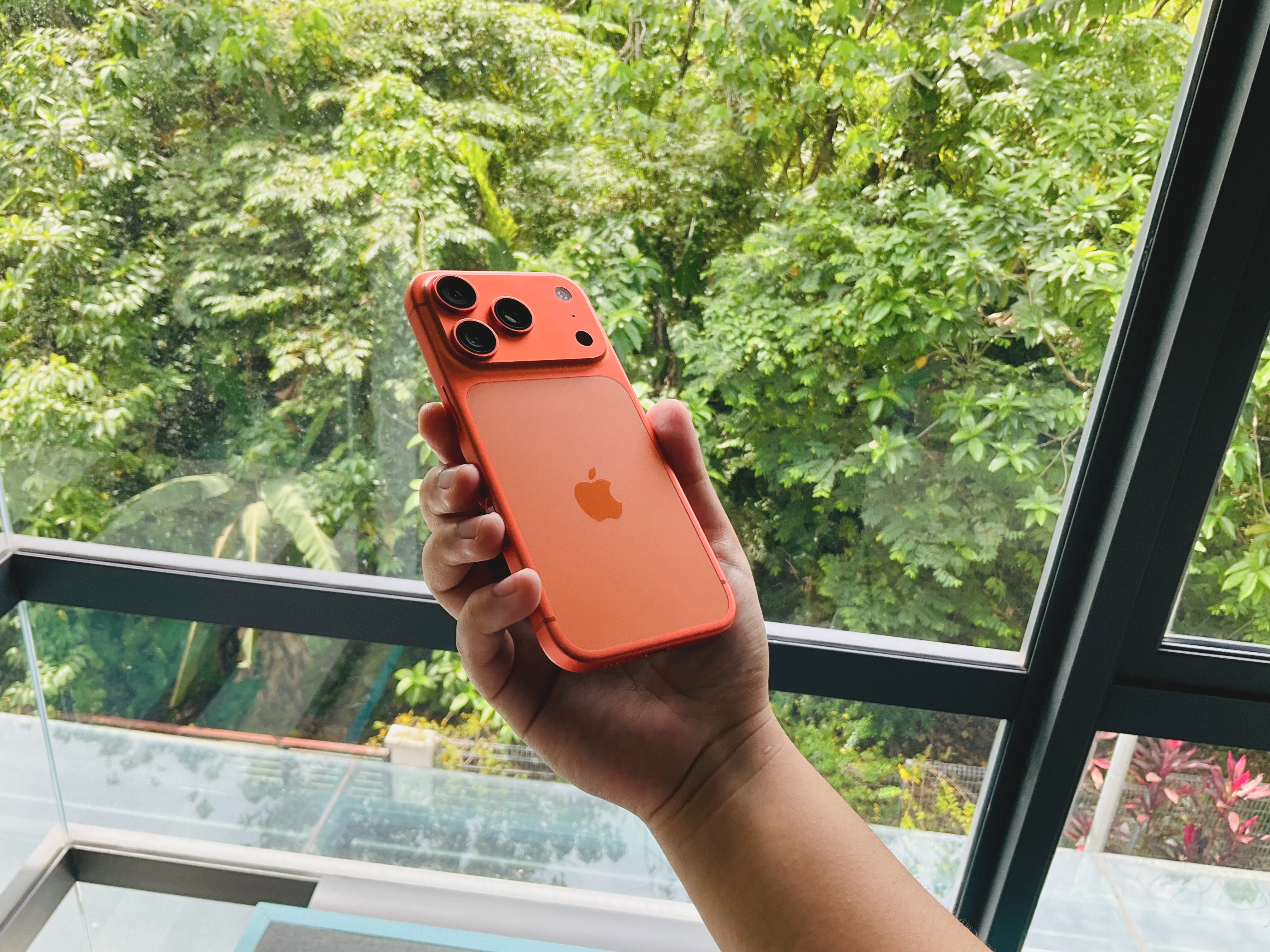
The iPhone 17 Pro brings with it an upgraded telephoto camera, which now makes all three rear cameras 48MP.
While I’m not one to pixel-peep (at the end of the day, megapixels only matter if you plan on blowing up your photos into large prints), I have to admit it’s nice having the impressively clean 8x optical zoom not turning my photos into a blurry mess. Do I even use the 8x zoom much? Not really, but I’m glad to have it anyway.
And as always, the iPhone’s Portrait mode is something that I feel many competitors fail to match in terms of quality. A lot of them come close, but none are equal (just my opinion, please don’t come running after me waving your Android phone in the air like a proverbial pitchfork).
Video, as is no surprise, remains one of the camera’s most reliable features. This time it allows for Dual Capture, which records both front and back (using the front and rear-facing cameras simultaneously); something I feel bloggers might find particularly useful.
What impressed me the most this year isn’t found in the main camera setup; it’s in the 18MP front-facing Center Stage camera. Introduced with the entire iPhone 17 lineup is a new square image sensor that automatically widens or tightens the frame, depending on how many people are in the photo. It also lets you shoot horizontal/vertical photos while still holding the phone vertically.
This has actually proven to be more convenient than I thought.
Overall, the camera package this year is incredibly solid and something a wide variety of people can rely on without any hiccups or fussing about.
Software is where the iPhone 17 Pro feels less convincing
The launch of the iPhone 17 lineup brought with it a new naming convention for iOS. We’re no longer following a chronological numbering system.
Instead of the latest software being called iOS 19, it’s been changed to match the year; in this case it’s iOS 26 (yes, the iPhone 17 lineup was technically launched in 2025, but the majority of its product promotion cycle takes place in 2026).
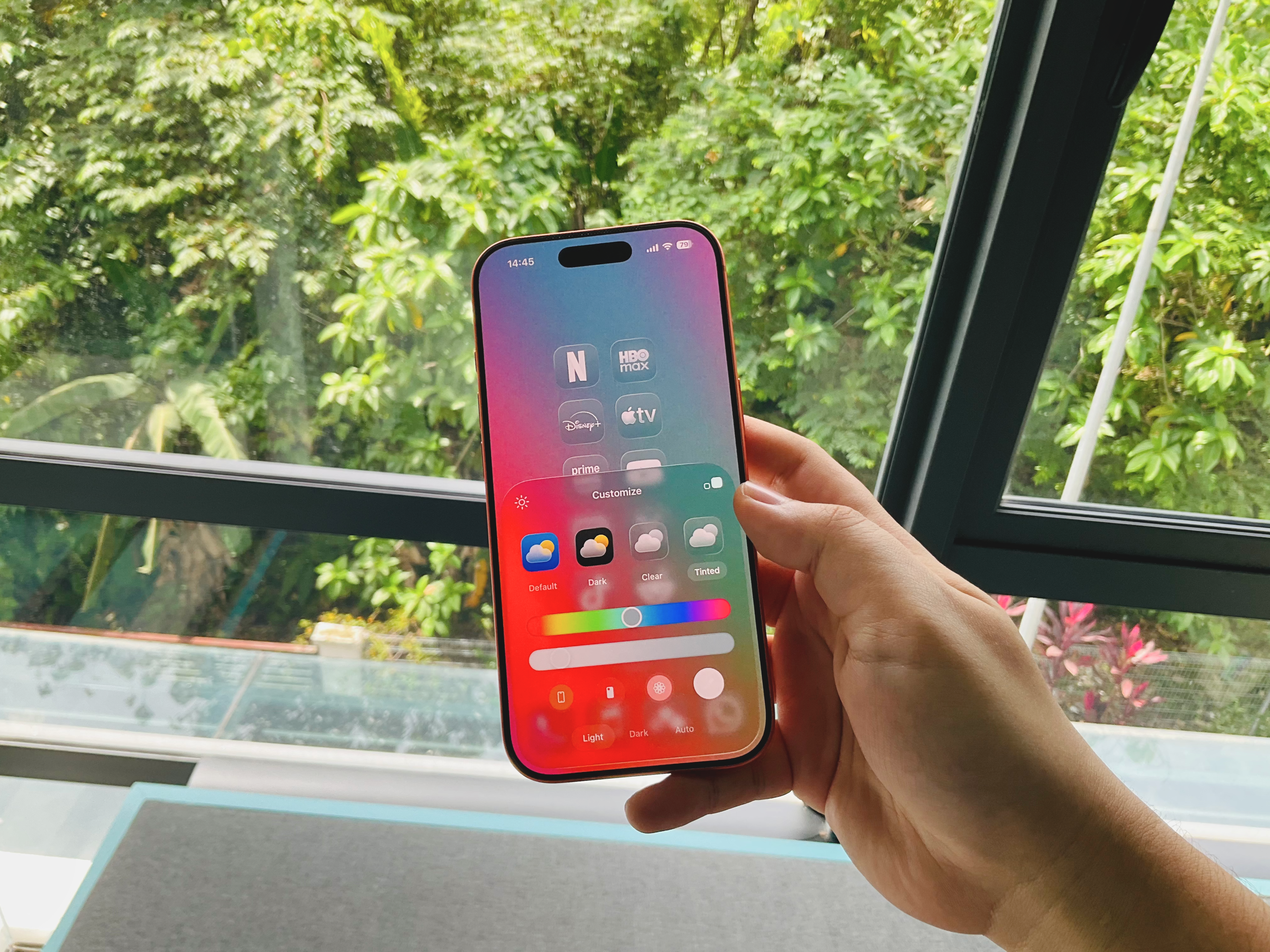
One of the biggest changes brought on by iOS 26 is Liquid Glass, which really functions as more of an aesthetic revamp. It gives the UI a more fluid look, with icons and buttons taking on more transparency. Some users refrained from updating to iOS 26 because of this. I found it a convincing reason to make the jump.
Plus, we can now rearrange apps in more customised placements and give them different looks based on wallpaper, or really, your mood at the time. I personally prefer a clear (or close to clear) look for my apps. Those of us who prefer a clean and minimal home screen can finally take more control.
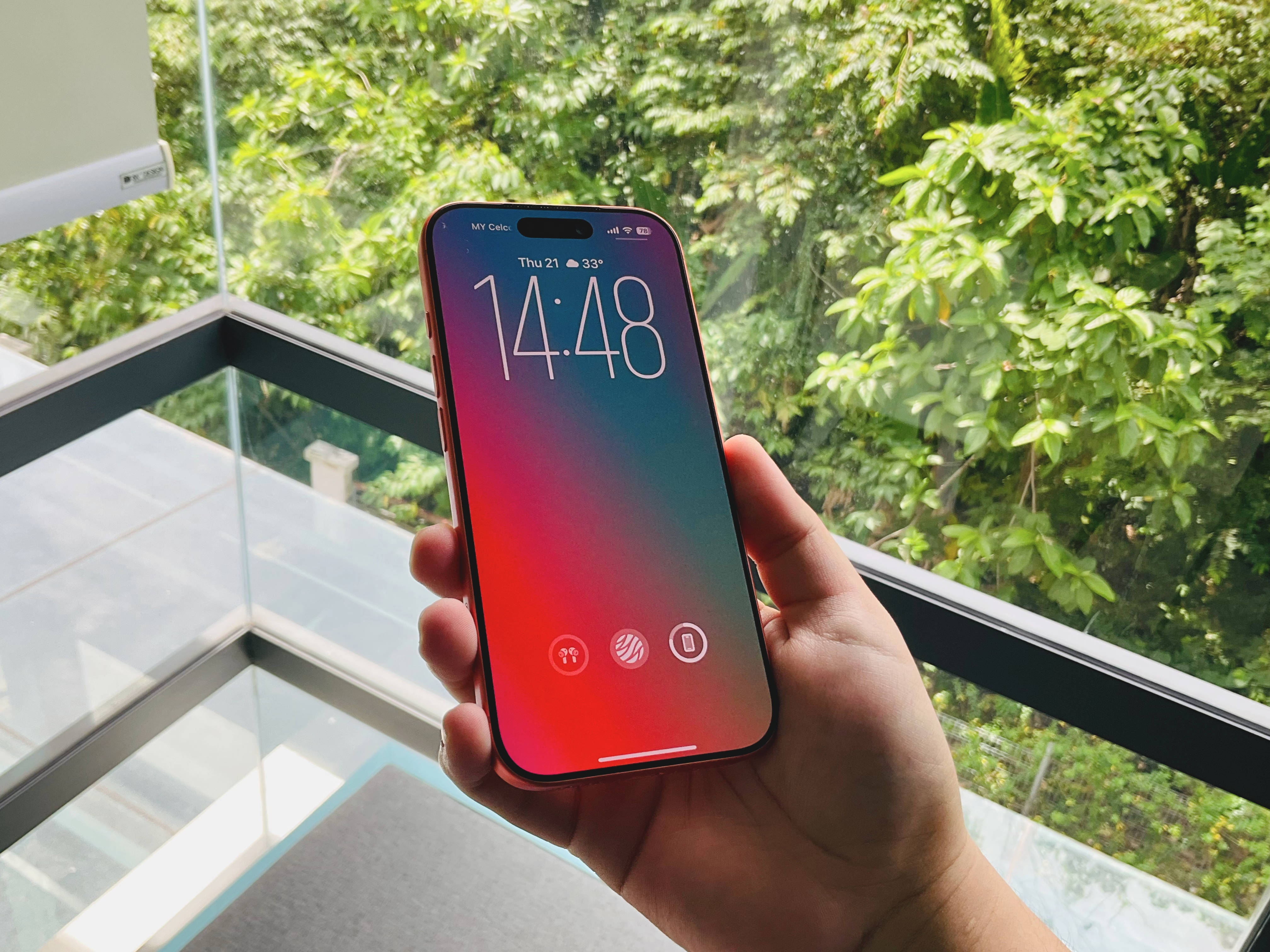
On the lock screen, you can now change the size of the digital clock, as well as the strength/opacity of the Liquid Glass look (though the former is only available with the default font). What got me more excited is the fact that I can now move my lock screen widgets to the bottom half of the screen.
Other than that, Apple Intelligence still leaves a lot to be desired. At this point, it feels a little incomplete.
While we’ve certainly gotten some new updates on this front, they haven’t really amounted to much of a difference in the grand scheme of things. It feels like the software is still playing catch-up with the hardware.
To put it in layman’s terms, it’s same-same, but different.
An incredibly easy recommendation
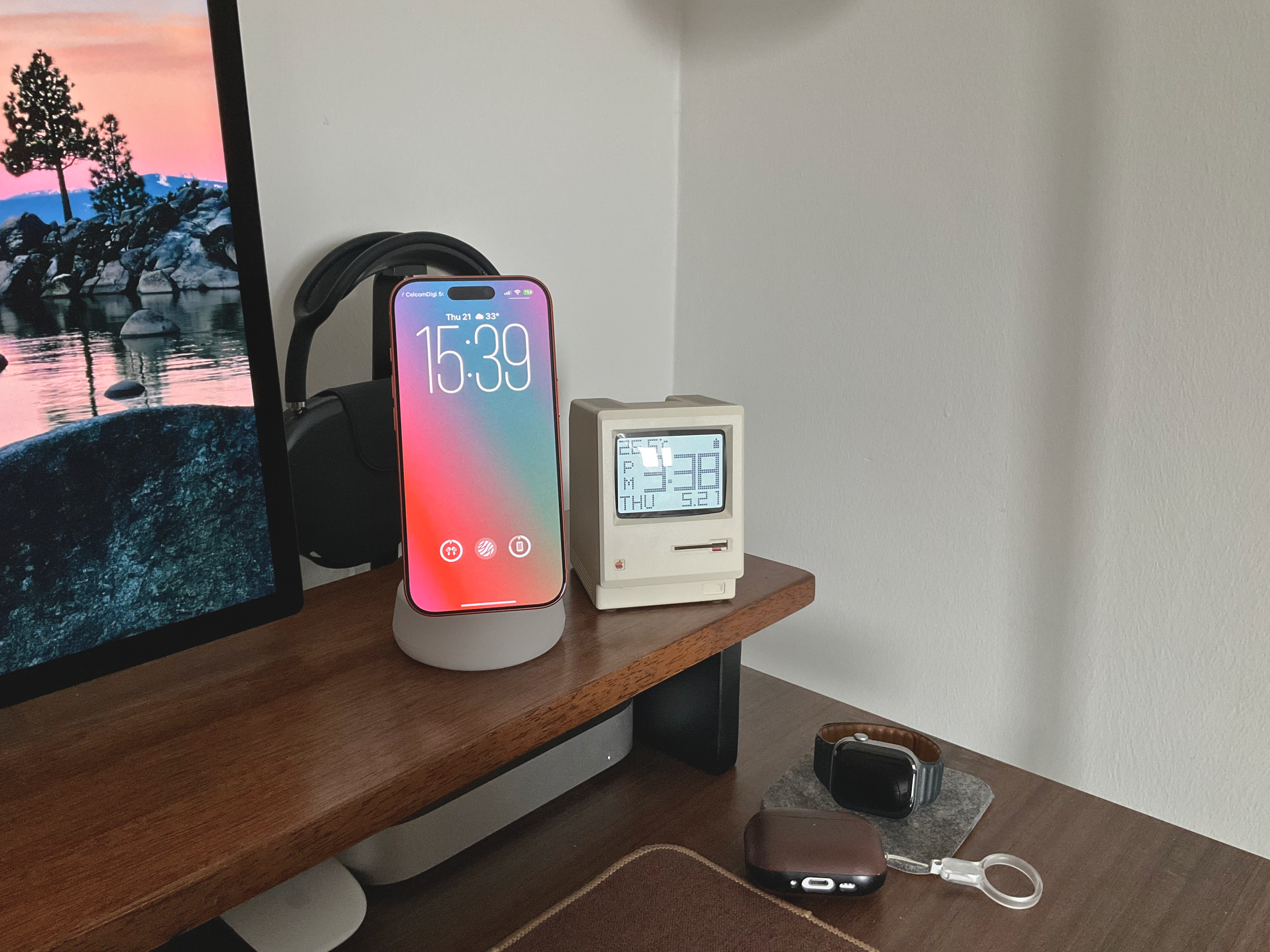
By this point you might be thinking I’m an Apple shill trying to push products to more people. But the truth of the matter is, iPhones aren’t popular because they offer revolutionary features or bleeding-edge tech, they’re popular because they just work as intended.
And that’s exactly what the iPhone 17 Pro is: a smartphone that does everything it promises, and it even surprises you every now and then. It’s the result of many little things coming together to make a reliable, premium, and efficient device (CC: this review’s headline).
You can get the iPhone 17 Pro at Apple Malaysia, starting from RM5,499 (iPhone 17 Pro) and RM5,999 (iPhone 17 Pro Max). You can also look out for deals from third-party sellers.
For more tech stories, click here.
Follow JUICE on Facebook, Instagram, and TikTok.
Read more:
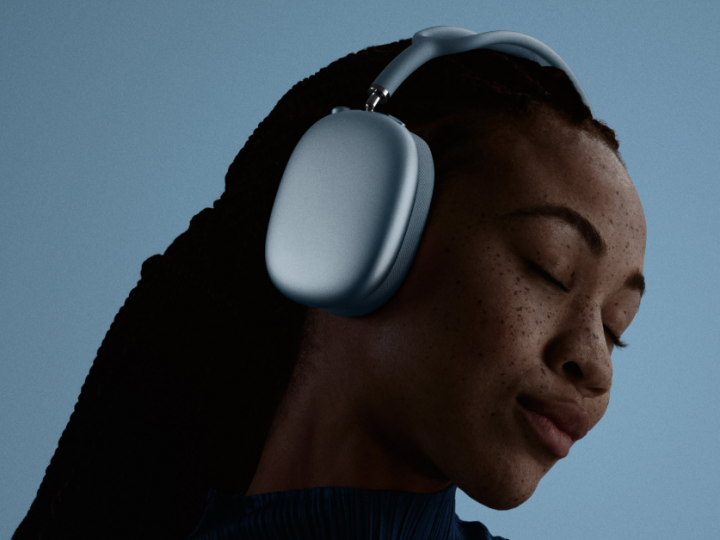
Apple AirPods Max 2: Same Beautiful Looks, Much Bigger Brain
Apple’s newly announced AirPods Max 2 start from RM2,299 and come in five colours: Blue, Purple, Midnight, Starlight, and Orange.
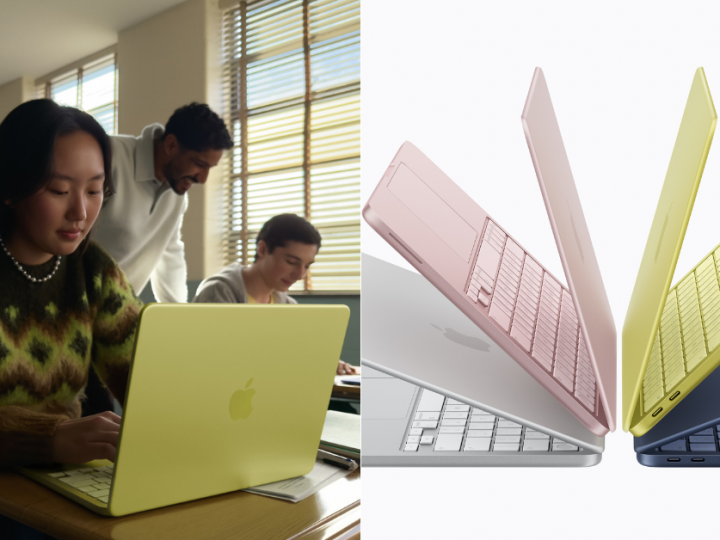
Apple’s MacBook Neo Makes the Mac More Accessible Than Ever
The MacBook Neo lowers the barrier of entry into the Mac world in a way that doesn’t force you to deal with major compromises.
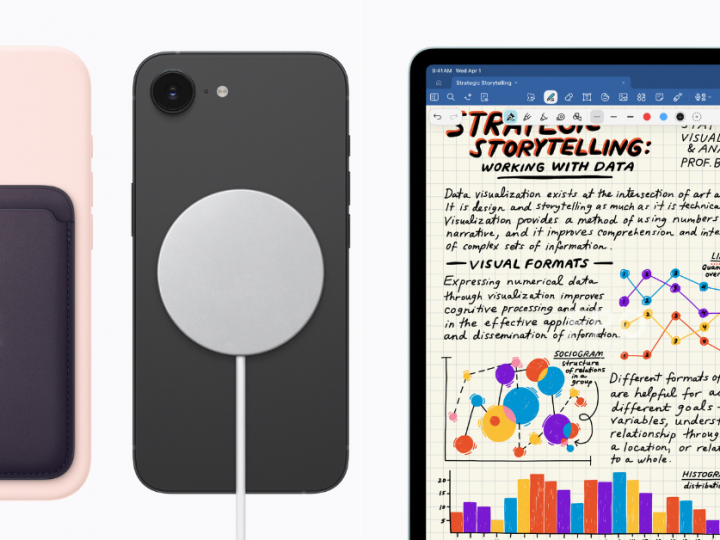
iPhone 17e & iPad Air M4 Are Apple’s Smartest Upgrades Yet
Neither of these devices really scream for any attention, but they quietly make a very strong case for your hard-earned cash.