
 Get Audio+
 Hot FM
 Kool 101
 Eight FM
 Fly FM
 Molek FM
STUDY: 2 or 3 Cups of Coffee/Tea a Day Lower Dementia Risk
 Thirsty for JUICE content? Quench your cravings on our Facebook, Instagram, TikTok and WhatsApp
A major new study published in the Journal of the American Medical Association (JAMA) has found that drinking two to three cups of caffeinated coffee (or one to two cups of tea) a day could be linked to a lowered risk of dementia and slower cognitive decline.
The study, which tracked more than 130,000 people over a period of 43 years, used data from the long-running Nurses’ Health Study and Health Professionals Follow-Up Study, which are two of the largest ongoing investigations into chronic diseases in women and men respectively.
A good excuse for that second cup of kopi-o or your mid-afternoon pot of tea
Over the study’s 43-year follow-up period, 11,033 participants developed dementia. But those who drank the most caffeinated coffee saw an 18% lower risk compared with people who rarely drank it. Tea drinkers saw very similar results as well. Surprisingly (or not so), decaf didn’t deliver the same results.
“While our results are encouraging, it’s important to remember that the effect size is small and there are lots of important ways to protect cognitive function as we age,” says senior author Daniel Wang. “Our study suggests that caffeinated coffee or tea consumption can be one piece of that puzzle.”

In the grand scheme of things, your daily brew might not be a miracle deterrent of dementia, but it’s definitely doing your brain some favours.
And for the regular coffee/tea drinkers among us, it’s just another (scientifically backed) reason to head to the kopitiam.
According to the researchers, the “sweet spot” is actually two to three cups a day. If you’re already there, congrats! If you’re not, well, it’s not really the end of the world either. There are plenty of other ways to lower your dementia risk.
What’s intriguing is that this “new” discovery might not be that surprising in parts of Asia, especially East and Southeast Asia
Traditional Chinese Medicine (TCM) has long treated tea as more than a casual beverage. In fact, some of TCM’s earliest accounts of the health properties of tea date back more than 2,000 years ago, evident in classical texts like the Huangdi Neijing (or The Yellow Emperor’s Classic of Medicine).
Green tea in particular has been described as clearing heat, sharpening the mind, and promoting alertness. While the texts don’t make specific mentions of dementia, it’s pretty clear what they refer to, especially in the underlying idea that certain plant compounds can preserve “mental clarity”.
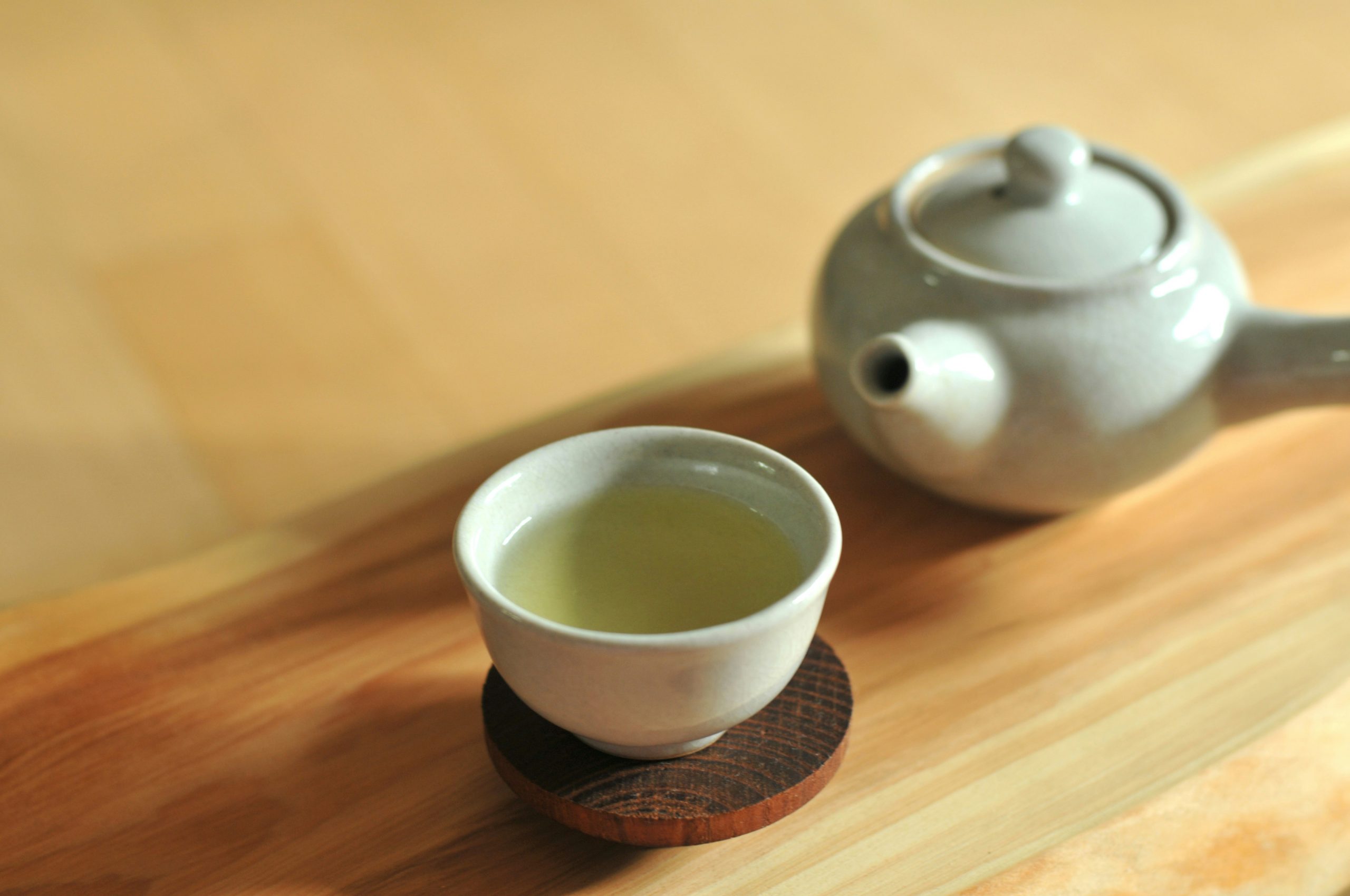
It’s basically living proof that the cultural instincts of people in Asia already lead them to believe that tea supports mental vitality, even without Western science backing up those claims. It’s been tried and tested through many centuries.
But of course, no single habit can ever “solve” the mystery of dementia. Other lifestyle factors like exercise, blood pressure control, sleep quality, and even social engagement play huge roles in maintaining brain health.
For more features, stick with JUICE Malaysia.

Read more:

7 Ways To Prevent Foggy Glasses While Wearing a Face Mask
Nothing is more humbling than walking around, only to be blinded by your own breath. But you can make some small adjustments to prevent that from happening.

How Clubbing May Have Just Saved My Life
Sometimes you need to step outside the cathedral of your suffering and scream ‘Gasolina’ with a hundred strangers who do not know your last name.

Bling Your Bite Like A Street Style Icon At ‘The Cat’s Fang’
Trends are temporary but a signature smile sticks. The Cat’s Fang makes dental jewellery a statement of who you are and how you want the world to see you.