
 Get Audio+
 Hot FM
 Kool 101
 Eight FM
 Fly FM
 Molek FM
AI Reduces Critical Thinking in M’sian Students, Study Finds
 Thirsty for JUICE content? Quench your cravings on our Facebook, Instagram, TikTok and WhatsApp
Malaysian students who rely too much on digital aids like smartphone calculators and AI tools like ChatGPT can actually be doing their basic critical thinking skills a lot of harm, according to a recent study by Universiti Kebangsaan Malaysia (UKM).
While the common argument today posits that AI is making people “faster but dumber”, UKM senior lecturer Kalaivani Chellappan argues that technology still has a place in improving efficiency and learning support, but it shouldn’t be used as a one-size-fits-all solution to basic everyday problems.
Fewer chances for children to actually work with numbers

According to Kalaivani, today’s modern lifestyle limits children’s exposure to situations that require them to work with numbers. The fewer these situations come up, the less compelled they feel to use their critical thinking skills.
“Modern lifestyles are increasingly limiting opportunities for them to work with numbers in their daily lives,” she told Bernama.
“This is not just about academic achievement, but also reflects a decline in the ability to think, analyse, and make rational judgements.”
UKM conducted a two-year study involving 12 schools in suburban Sepang, and their findings show that over 80% of students aged between nine and 12 were unable to solve mathematical problems using basic calculation and reasoning.
In fact, many of these students relied heavily on smartphone calculators as well as AI apps like ChatGPT.
“This becomes a concern when technology is used as a substitute for learning rather than a complement,” Kalaivani warns.
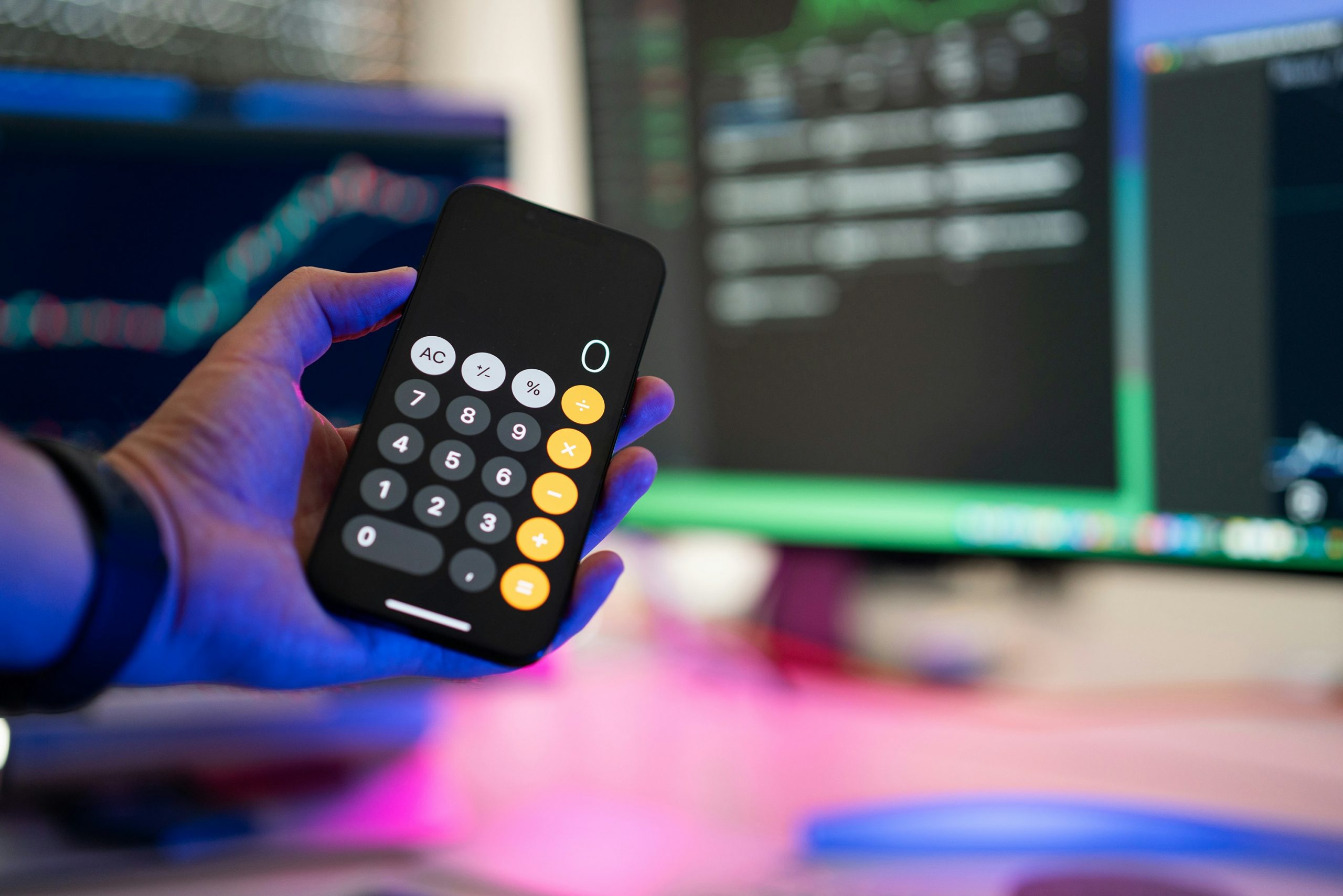
She stressed the importance of building a strong foundation before introducing technology as a form of support. This way, children will actually be able to solve basic math problems independently.
Technology in this ideal scenario would only serve to speed up or validate their critical thinking and deduction skills, not replace them entirely.
“Calculators and ChatGPT can provide answers. However, it is thinking ability that enables a person to assess whether an answer is reasonable and whether the information is reliable,” she said.
The findings don’t mean that kids should avoid technology altogether. Instead, they should practice math in regular, everyday situations, like comparing shopping prices, measuring ingredients while cooking, or even something as simple as reading an analogue clock.
“The solution is not to reject technology. Such a response would be unrealistic and counterproductive. Instead, Malaysia must rebuild a culture of thinking,” she says.
The endgame is to make kids realise that maths isn’t just a school subject, it’s the “language of thinking.”
For more news, click here.
Follow JUICE on Facebook, Instagram, and TikTok.

Read more:

Rosmah Ordered To Pay RM67.5M or Face Possible Bankruptcy
Bankruptcy proceedings are only a last resort, if all other legal avenues fail to yield favourable results, Global Royalty’s rep said.

BIGBANG Is Returning To Malaysia With A New World Tour
Ticketing details, pricing, and the official setlist have not been announced yet, but anticipation is already building fast among fans worldwide.

70% of Malaysians Earn RM5,000 or Below With Minimal Savings
Even more worrying is the fact that 80% of Malaysians live paycheck to paycheck, barely leaving anything to put in their savings or emergency funds.