
 Get Audio+
 Hot FM
 Kool 101
 Eight FM
 Fly FM
 Molek FM
Saving the Malayan Tiger Takes More Than Awareness, CAP Says
 Thirsty for JUICE content? Quench your cravings on our Facebook, Instagram, TikTok and WhatsApp
The Malayan Tiger has long been an icon for Malaysians. It plays a prominent role in the Malaysian coat of arms, and its a symbol of pride for those in sports. After all, we literally call our national football team Harimau Malaya.
But what’s the point of all that if we don’t actually have anymore living Malayan Tigers in the future? With fewer than 150 remaining in the wild, the International Union for the Conservation of Nature (IUCN) reclassified the animal species as Critically Endangered back in 2015.
A crisis shaped by decades of bad choices, and raising awareness isn’t enough anymore

The forests that were once the protective and self-sustaining home of the Malayan Tiger have been sliced apart by plantations, highways, and industrial development. While one can argue it’s a necessary evil that benefits us humans, we’re left to deal with the severe decline of a national and cultural symbol.
What’s left of their habitat is extremely fragmented, making life that much harder for the Malayan Tiger and the entire ecosystem they anchor. They help regulate prey populations, keeping the forest healthy, water systems stable, and biodiversity intact.
Once the Malayan Tiger is gone for good, it’ll impact other species too. But the Consumers’ Association of Penang (CAP) argues that awareness campaigns alone aren’t nearly enough to save the Malayan Tiger.

What really needs to happen is the enactment of stricter poaching laws, serious funding for patrols, tougher action against wildlife-related crime and corruption, as well as the development of forest corridors (or bridges) that help reconnect isolated habitats.
Most importantly, CAP argues that indeginious communities should be given more prominent conservation roles owing to their deeper knowledge of the forest.
“If the tiger disappears, it will not be due to ignorance, but to a failure to do enough to protect it,” warns CAP president Mohideen Abdul Kader, who calls the situation a conservation emergency and national crisis.
He also pointed out the irony of Malaysia calling itself a leader in environmental protection while failing to protect its most iconic species.
Poaching remains a persistent threat

The illegal wildlife trade and long-held myths about tiger parts bringing power and good fortune have made sure poaching remains a thriving illicit industry.
Between 2023 and 2024, six tiger deaths were linked to vehicle collisions, while a particularly shocking case saw a tiger carcass with six bullet wounds to the head hidden in the trunk of a car.
Thanks to online marketplaces that allow these illegal sales to slip through the cracks, enforcement is an uphill battle.
But it’s also the poaching of deer and other prey species that’s pushing tigers closer to extinction. They’re often hunted during festive seasons, which further reduces the food that tigers rely on.
Malaysia aims to raise the tiger population to 400 by the year 2030. Whether that target is actually feasible or not remains to be seen. But until Malaysia stops putting biodiversity in the backseat in favour of short-term economic gain, the Malayan Tiger’s future will remain uncertain.
For more news, stick with JUICE Malaysia.

Read more:

Malaysian Woman Sells Pokémon Cards to Fund Mission to Gaza
Her collection, comprising over 3,000 cards, includes a lot of rare limited-edition and hard-to-find cards that some people would pay a lot of money for.
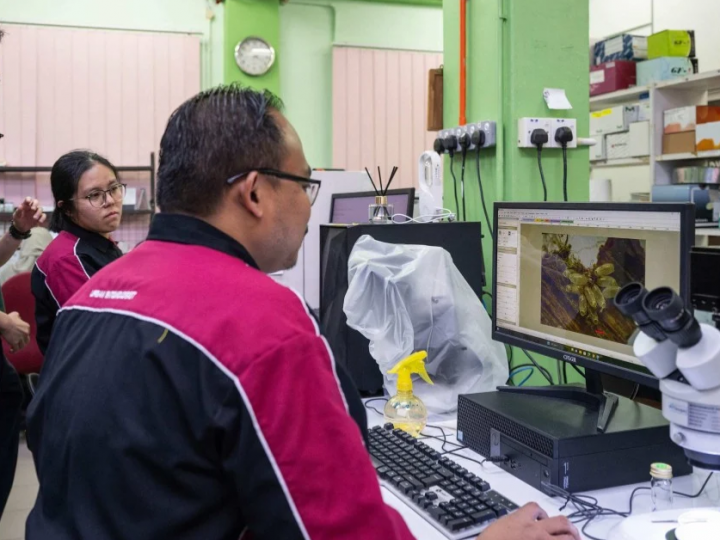
Malaysian Scientists Turn Bedbugs into Crime Scene Spies
Researchers at Universiti Sains Malaysia (USM) in Penang have discovered that tropical bedbugs can retain human DNA for up to 45 days after feeding.