
 Get Audio+
 Hot FM
 Kool 101
 Eight FM
 Fly FM
 Molek FM
Autonomous Black Metal In Today’s Age Of Algorithmic Decay
 Thirsty for JUICE content? Quench your cravings on our Facebook, Instagram, TikTok and WhatsApp
There’s black metal, and then there’s that strange thing your friend posted at 3AM.
Just a blurry waveform. No cover art, no band name, no tags. It sounds like a dying modem screaming into a canyon.
There’s no guitar solo, no blast beats, no corpsepaint selfies. It might have been made entirely on a cracked version of FL Studio with no instruments, no vocals… Just a wall of hiss and a whisper about “rotting inside.”
That? That’s autonomous black metal.
Not a subgenre. Not a movement. Just pure, raw, unfiltered emotion uploaded with no commercial intent. No press. No label. No gatekeepers. No rules. It’s music as a compulsion, not a product.
So what exactly is autonomous black metal?
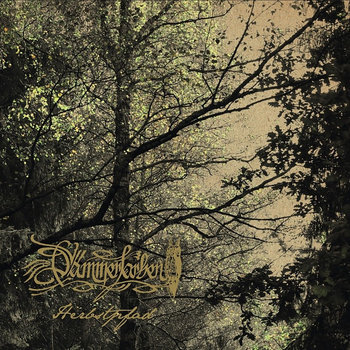
At its core, it’s black metal made in isolation. No bandmates, no studio, no PR rollouts. Sometimes not even a guitar. Think one-person projects recorded in bedrooms at 2AM, usually with minimal gear, sometimes entirely digital. The result is often lo-fi, eerie, and emotionally intense. The production is intentionally rough. Some tracks sound like corrupted files or forgotten cassette demos from another dimension.
The artists are usually anonymous or hidden behind obscure usernames. Sometimes they release one EP and disappear. Sometimes they upload an entire discography in one night and never say a word. No merch. No tour dates. No identity to stan. Just the sound.
What makes it different from “regular” black metal?
Black metal has always been underground at heart, but autonomous black metal takes it even further. It doesn’t care about genre rules or scene expectations. It doesn’t aim to impress purists or follow tradition.
\You might hear influences from DSBM, ambient, noise, dungeon synth, or industrial. You might not even hear any vocals. Instead, you might get grainy samples from TikToks, voicemails, old interviews, or field recordings. Some artists don’t scream at all. They mumble, speak, glitch their voice through effects, or just let the music breathe on its own.
It’s black metal stripped of performance. Not theatrical, just personal. Painfully so. Here’s an example:
View this post on Instagram
Why is this happening now?
Because the industry is exhausting. Because everything feels like content now. Because streaming platforms reward quantity over quality. Because even the underground sometimes starts to look like a clique. And because a lot of musicians are burnt out, broke, and done chasing visibility.
Making autonomous black metal is a way to create without compromise. No algorithm, no schedule, no audience to please. Just pure release. Some do it to process grief. Others do it to reclaim control. A few are just experimenting for the hell of it. It’s honest. Sometimes uncomfortably so.
And in a way, it makes sense. Black metal started as a rejection of commercial metal. Autonomous black metal feels like the next logical step—rejecting even the scene itself.
View this post on Instagram
But is it still black metal?
Depends who you ask. Purists might roll their eyes. There’s no proper distortion. No real instruments. No stage presence. But black metal has never been about technicality. At its most raw, it’s about atmosphere, intensity, and rebellion. Autonomous black metal keeps that spirit alive, just in a different form. More digital. More isolated. More ghost-like.
It’s less about community and more about catharsis. Less about rebellion, and more about collapse.
Any politics in this?
Sometimes. Some projects are openly antifascist, queer, or anti-capitalist. Others avoid any ideology altogether. There’s no unifying manifesto. But the act of making something like this (so personal, so unmarketable) can be a quiet form of resistance on its own. Not everything has to scream its politics. Sometimes just refusing to participate is a statement.
And sometimes it’s just about surviving.
Yes, ABM has arrived in Malaysia as well.
View this post on Instagram
The likes of Saiful Nizam Shukor (above) and Nirflar are examples of autonomous BM creators with pure Malaysian roots. Hell yeah, representation!
What’s the future of autonomous black metal?
Hard to say. That’s kind of the point. A lot of these artists aren’t interested in “building a future” or branding their work. They’re not trying to go viral or land a slot at Roadburn. They’re uploading a single file into the void and moving on.
But as mainstream music becomes cleaner and more curated, there will always be people who need to make something ugly, chaotic, and real. Even if no one hears it. Maybe especially if no one hears it.
Autonomous black metal might not care about legacy. But its presence in the scene is quietly important. It reminds us that music doesn’t need polish, permission, or even purpose. Sometimes it just needs to exist.
And sometimes that’s more powerful than anything trending this week.
More cool stuff on JUICE.
Missed these?
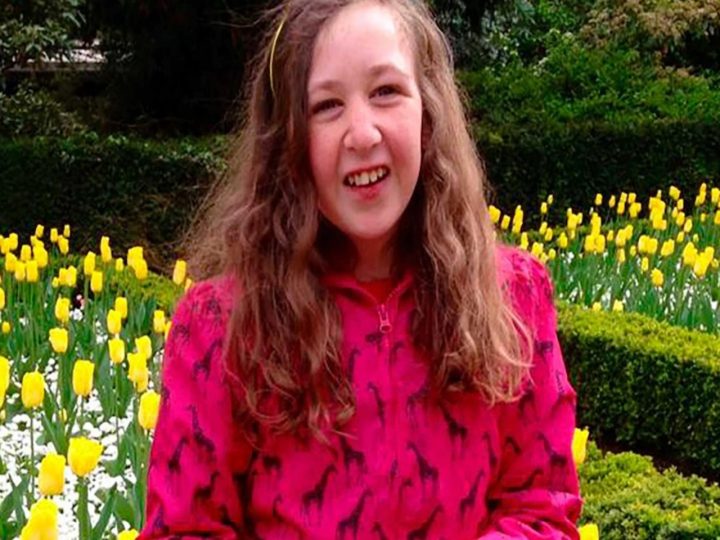
Remembering The Cryptic Death Of Nora Quoirin, Whose Undressed Corpse Was Found In A M’sian Forest
We wish justice upon Nora’s family.

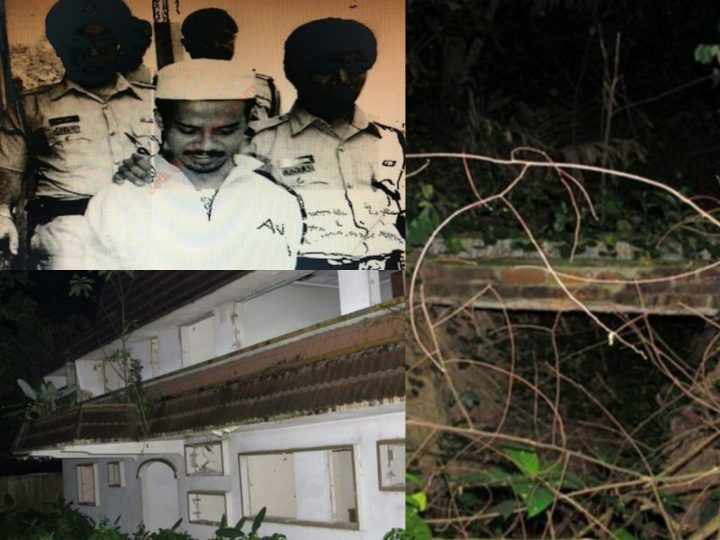
The Gruesome 1992 Triple-Murder Story Behind The ‘Haunted’ Jalan Turi Bungalow in Bangsar
This horrifying story is indeed true.