
 Get Audio+
 Hot FM
 Kool 101
 Eight FM
 Fly FM
 Molek FM
Iran in Turmoil: Protests, Powerplays, and an Uncertain Toll
 Thirsty for JUICE content? Quench your cravings on our Facebook, Instagram, TikTok and WhatsApp
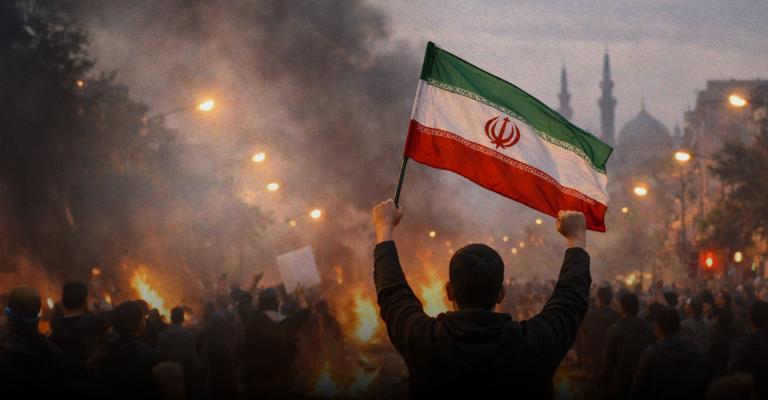
Iran is now at the centre of one of the most intense protest waves in nearly half a century, a storm that began in late December 2025 over deep-rooted economic pain.
Runaway inflation, a collapsing currency, and years of stagnating wages ignited demonstrations that first surfaced among bazaar traders before spreading rapidly to students, factory workers, and ordinary citizens across all 31 provinces.
What began as an economic outcry has since evolved into something broader and more volatile: a nationwide challenge to clerical authority.
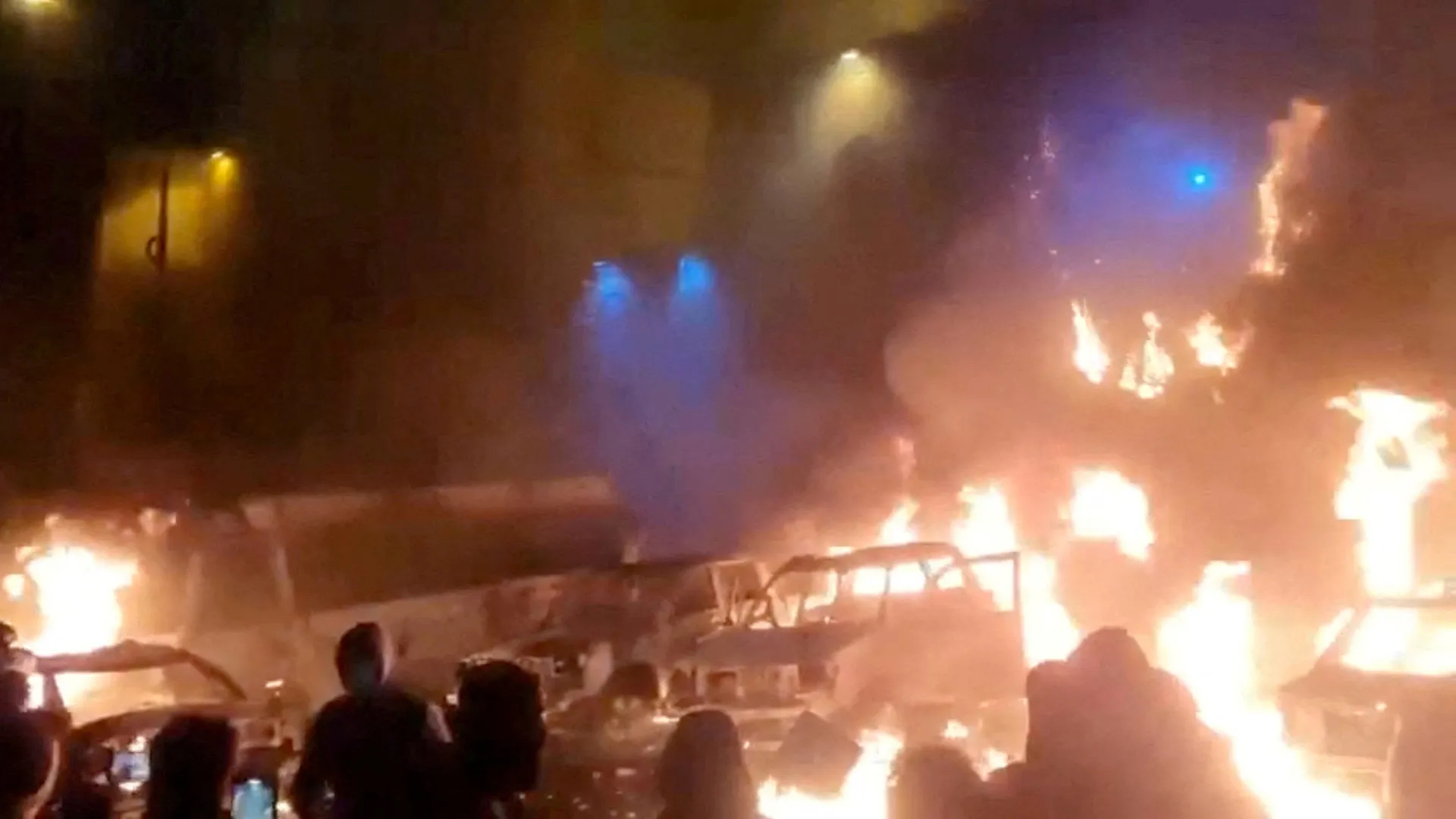
Estimating the human cost of this unrest has proven almost impossible. There is no single agreed death toll. Iranian authorities have released no comprehensive figures, while widespread internet and communications blackouts have crippled independent verification.
Human rights groups and opposition networks place the number of protesters killed anywhere from the high hundreds to potentially thousands, depending on methodology. What is clear is that the violence has been sustained and nationwide, with security forces repeatedly using live ammunition and mass arrests to crush dissent.
Hospitals and morgues, particularly in Tehran and other major cities, are reportedly overwhelmed. Eyewitness accounts describe bodies arriving faster than families can claim them, creating a grim parallel reality beneath the official silence. The uncertainty around the numbers has itself become part of the story, reinforcing public anger and deepening mistrust toward the state.
War Talk, Diplomacy Signals, and a Dangerous Standoff
As the death toll climbed, the crisis spilled far beyond Iran’s borders. In Washington, U.S. President Donald Trump confirmed that his administration is weighing “very strong options,” including possible military intervention, in response to Tehran’s crackdown on protesters. While officials stressed that no final decision has been made, the White House acknowledged that scenarios ranging from cyber operations to targeted strikes are under review.
At the same time, Trump suggested Iran had reached out to discuss talks, framing the moment as one where diplomacy and force are being considered in parallel.

Iran’s response has been equally dual-tracked. Foreign Minister Abbas Araghchi said the country is “prepared for war” if attacked, while also signalling that Tehran remains open to talks with the United States under what it calls fair and respectful conditions. Iranian leaders have repeatedly accused foreign powers of fuelling unrest, dismissing protesters as tools of outside interference even as demonstrations continue to erupt at home.
This uneasy mix of street-level fury and high-stakes geopolitics leaves Iran at a dangerous crossroads. With no verified death toll, no political off-ramp in sight, and growing talk of military intervention, the protests have become more than a domestic crisis. They are now a flashpoint with consequences that could ripple far beyond Iran’s borders.
For more news, follow JUICE.
Read more:
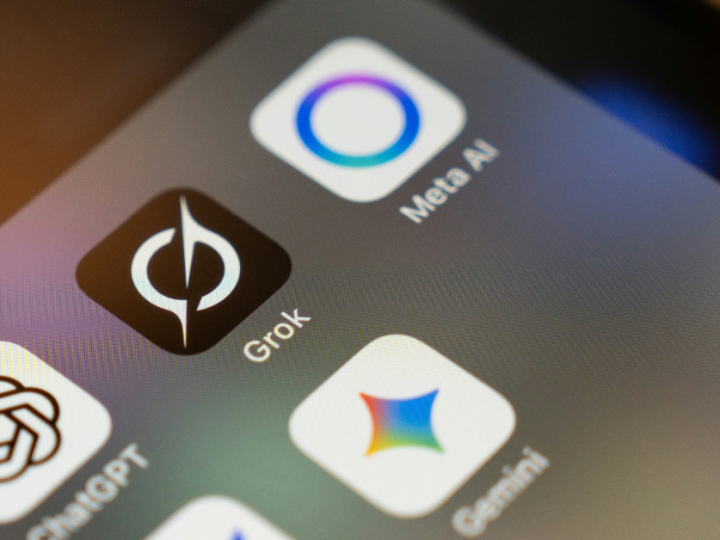
Malaysia Blocks Grok Over Non-Consensual AI Images
This comes just one day after Indonesia did exactly the same thing, making the two countries the first in the world to block Grok.
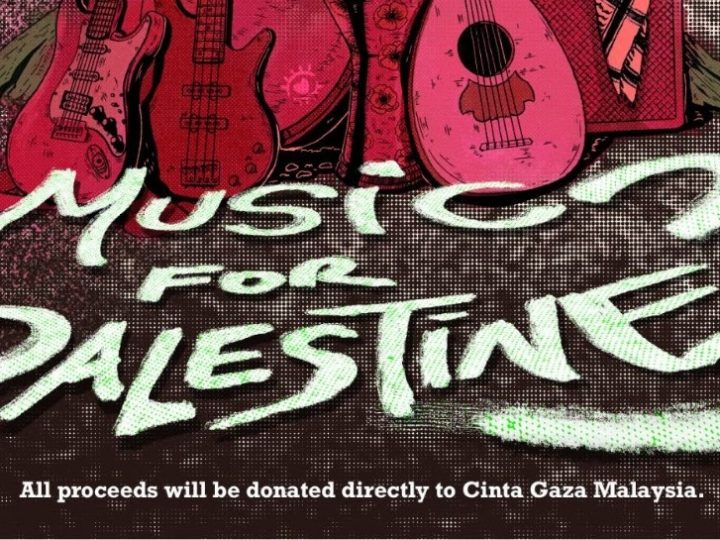
Music for Palestine III Offers A Full Day Of Raw Sound & Solidarity
Eleven bands, one venue, and a shared refusal to stay silent. For one long day in January, the local music community will make its stance unmistakably clear.

Malaysian Woman Sells Pokémon Cards to Fund Mission to Gaza
Her collection, comprising over 3,000 cards, includes a lot of rare limited-edition and hard-to-find cards that some people would pay a lot of money for.