Get Audio+
 Hot FM
 Kool 101
 Eight FM
 Fly FM
 Molek FM
Fish Are Getting High On Anxiety Drugs Found In Our Poop… But Are They Happier?
 Thirsty for JUICE content? Quench your cravings on our Facebook, Instagram, TikTok and WhatsApp
That’s right. You read the headline correctly.
It turns out that apart from polluting habitats of certain fishes with our chemical waste, we’ve also been sending them drugs.
Anti-anxiety prescription drugs (like benzodiazepines, AKA benzos) that aren’t totally absorbed by our bodies are being flushed down our toilets, ending up in the natural habitat of certain fish.
Now, scientists have discovered some major behavioural changes in them…
From Prescription to Pollution
When people take medications like benzodiazepines, not all of it stays in our bodies. Some gets flushed out and passes through wastewater treatment plants, which aren’t built to fully filter pharmaceuticals.
That means our leftover meds — from antidepressants and birth control to diabetes pills and paracetamol — are leaking into rivers, lakes, and oceans.
The end result? Aquatic life is being exposed to low levels of human drugs. Basically, fish are microdosing on our leftovers.
Fish Behaving Weirdly
Imagine a fish on a wellness retreat. Calm, curious, and maybe just a little too confident. Well, that’s just how some fish are reportedly reacting to being dosed with these medications.
Scientists have found that even small traces of human medication can change fish behaviour in big ways:
-
Male minnows exposed to synthetic estrogen started growing eggs in their testes.
-
Fish on Prozac grew larger genitalia and became aggressive in mating.
-
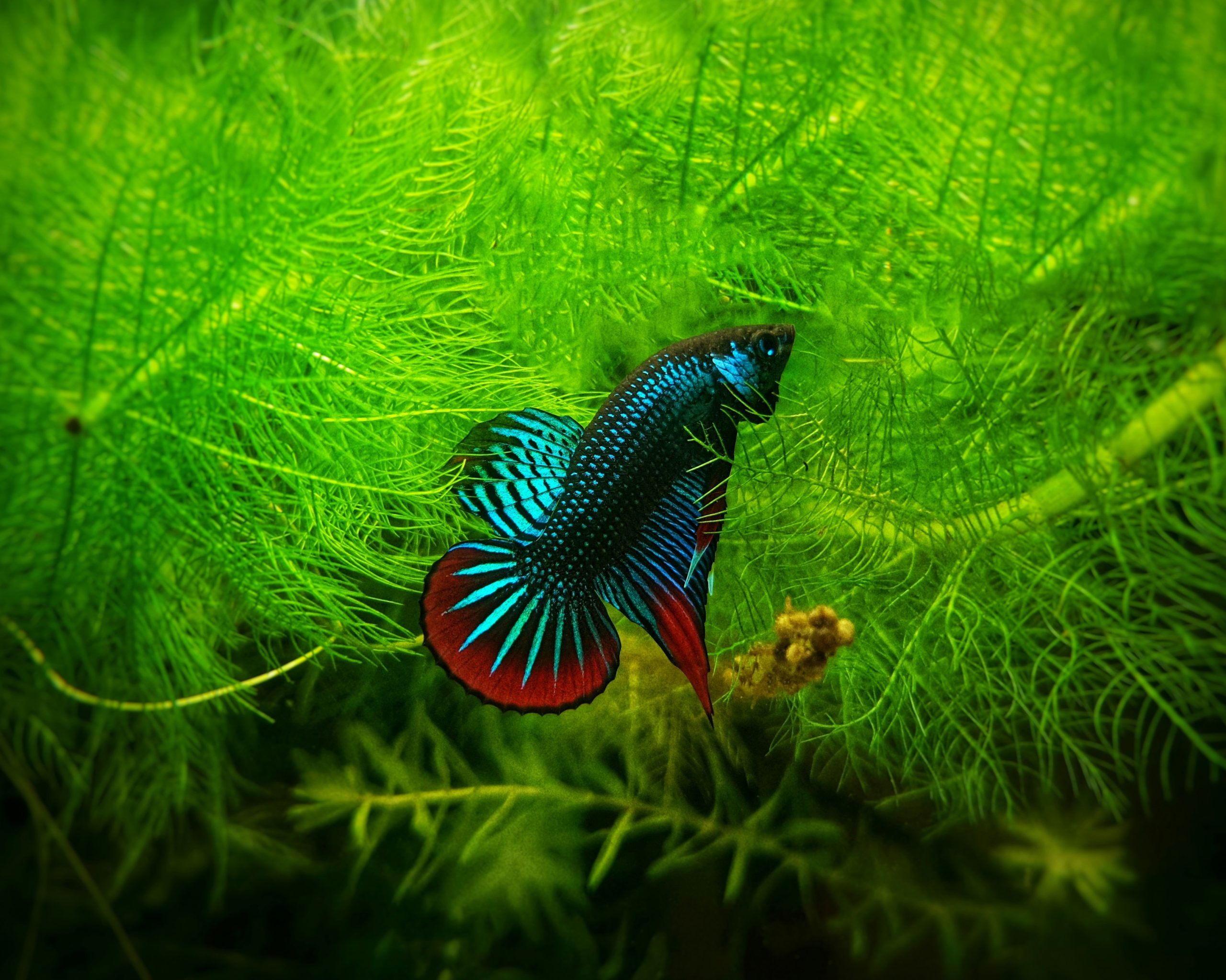
Metformin made betta fish (Siamese fighting fish) less aggressive — ironic, right?
-
Oxazepam and sertraline made fish bolder, less anxious, and more likely to explore risky areas.
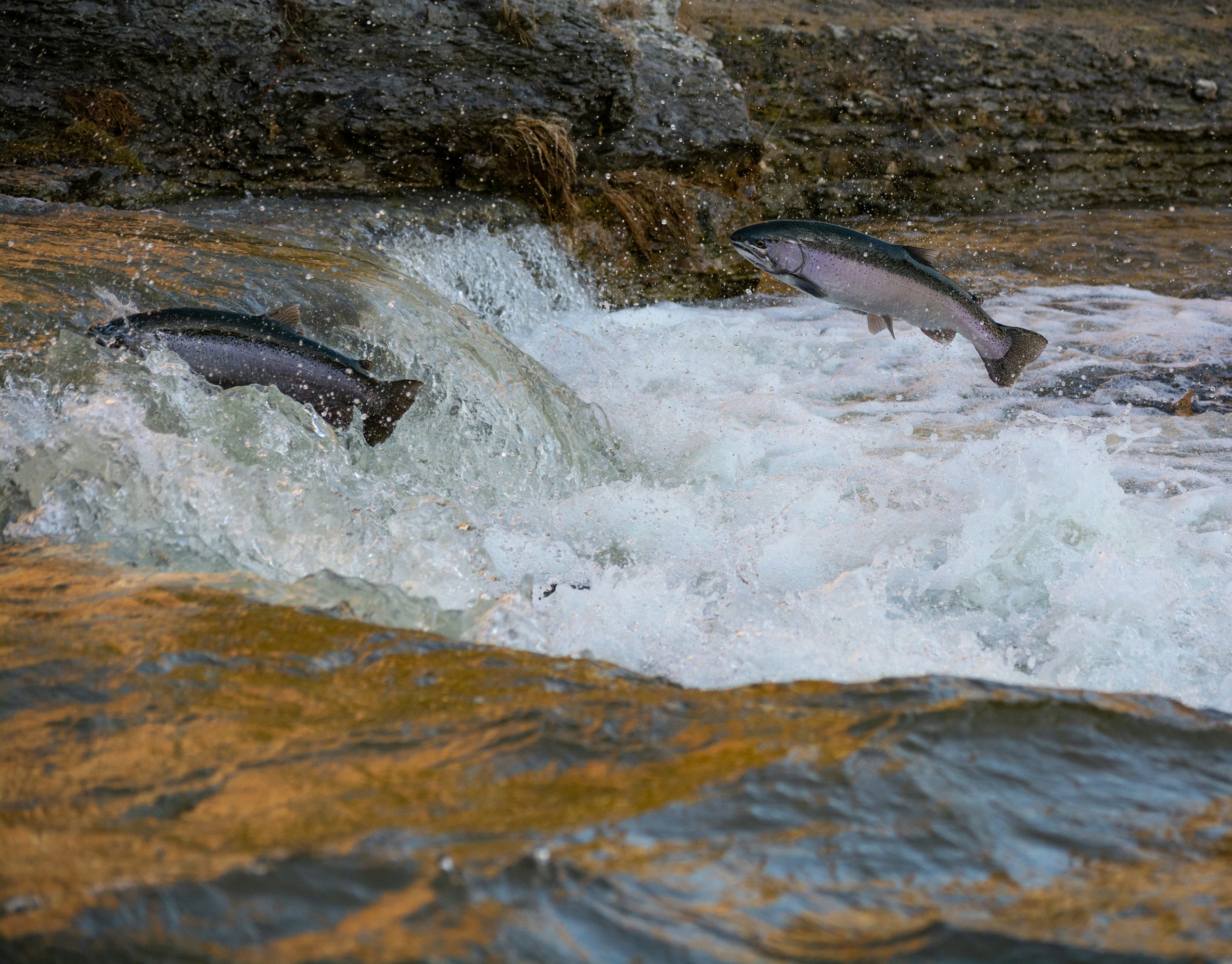
Whether this improves a fish’s chances of surviving in the wild is debatable, with some studies on salmon pointing to a half-yes — they navigated obstacles faster and appeared bolder, potentially because the benzos reduced their stress levels.
However, once the salmon have migrated, studies show that they might be more prone to being victims at sea, as they are less likely to group together in response to predators.
A Bigger, Invisible Threat
This isn’t just about salmon. Thousands of human pharmaceuticals enter our waterways each year. Most have unknown effects on wildlife — and that’s a big red flag.
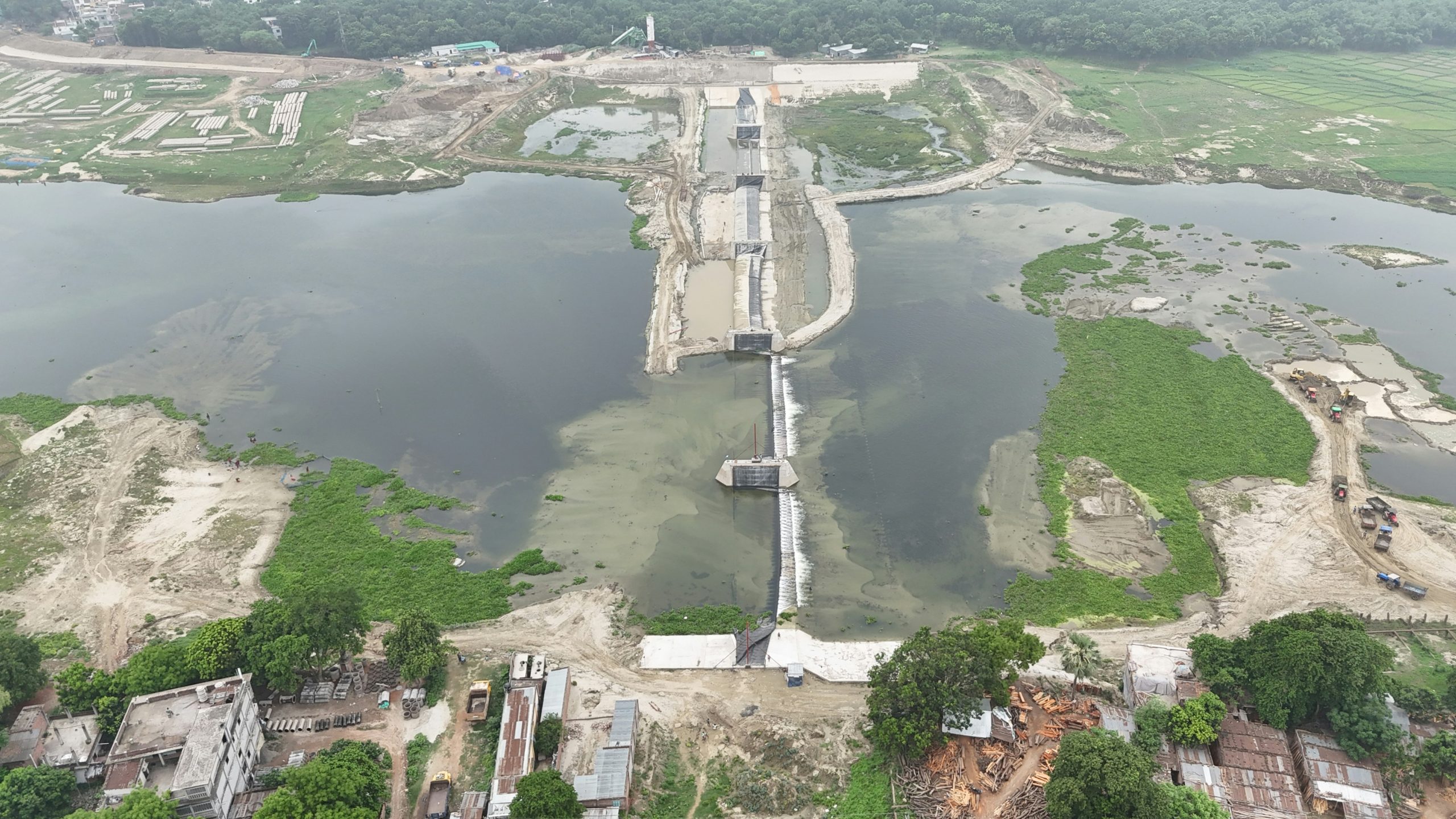
At least 25% of freshwater species are declining or threatened with extinction. While we focus on visible threats like dams and pollution, drug contamination is a silent, invisible force reshaping ecosystems.
As one ecotoxicologist put it: “If it changes natural behaviour, it could be a problem.”
So, What The Fish Should We Do?
Besides better wastewater treatment systems and more research into how pharmaceuticals affect wildlife, we can all start with being aware that what we flush down the toilet doesn’t just magically disappear.
So, next time you’re sitting on the throne, just remember: somewhere downstream, a salmon might be swimming through a dam, breathing deeply, and thinking, “I’ve got this.”
For more news, head to JUICE Malaysia.