Get Audio+
 Hot FM
 Kool 101
 Eight FM
 Fly FM
 Molek FM
P. Ramlee, Popcorn & Subang’s Short-Lived Cinema Era
 Thirsty for JUICE content? Quench your cravings on our Facebook, Instagram, TikTok and WhatsApp
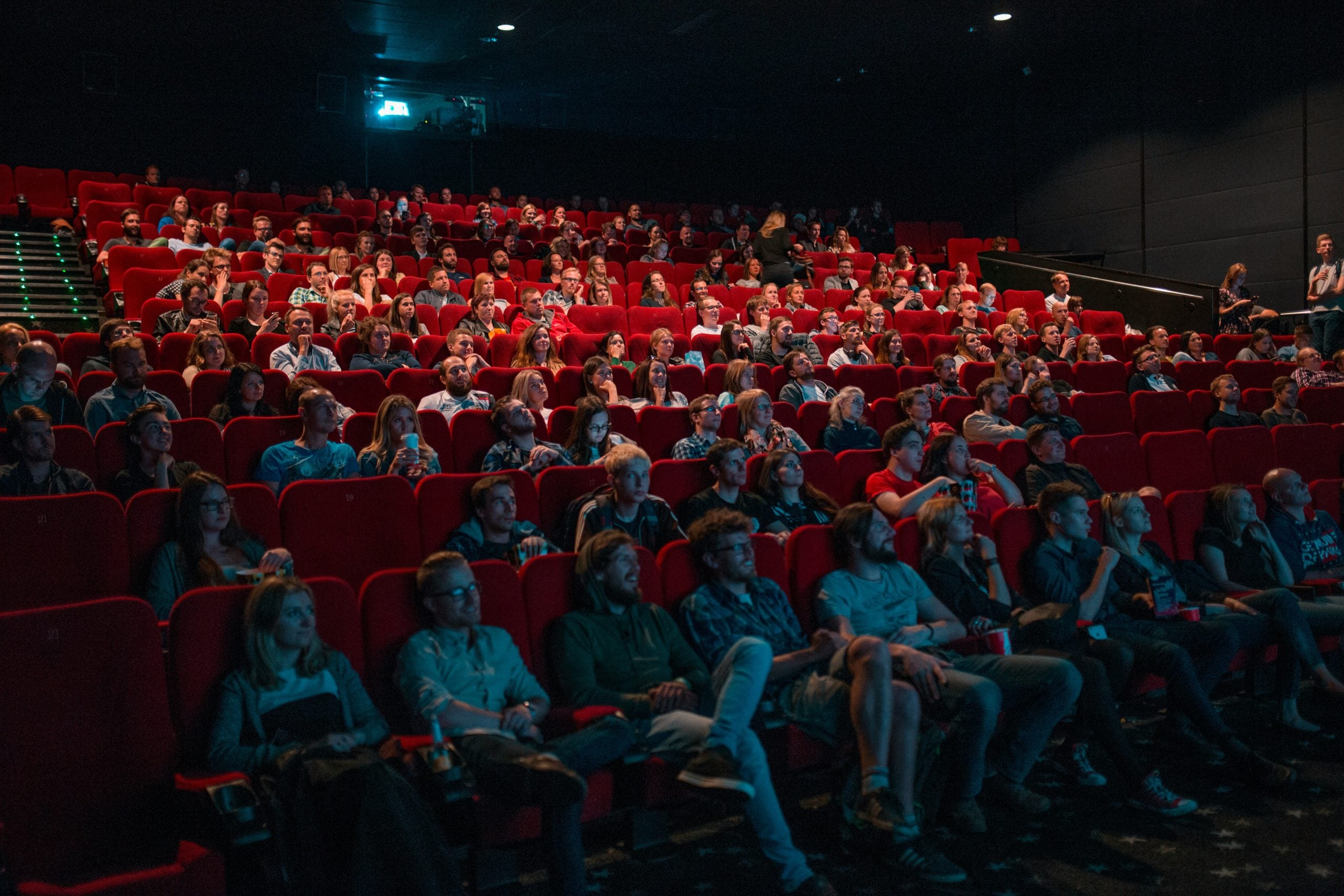
Before modern multiplexes took over Kuala Lumpur’s cinema culture, there was a quieter but fascinating chapter in the west of the Klang Valley, where early suburban cinemas shaped how people in Shah Alam and Subang Jaya experienced film for the first time.
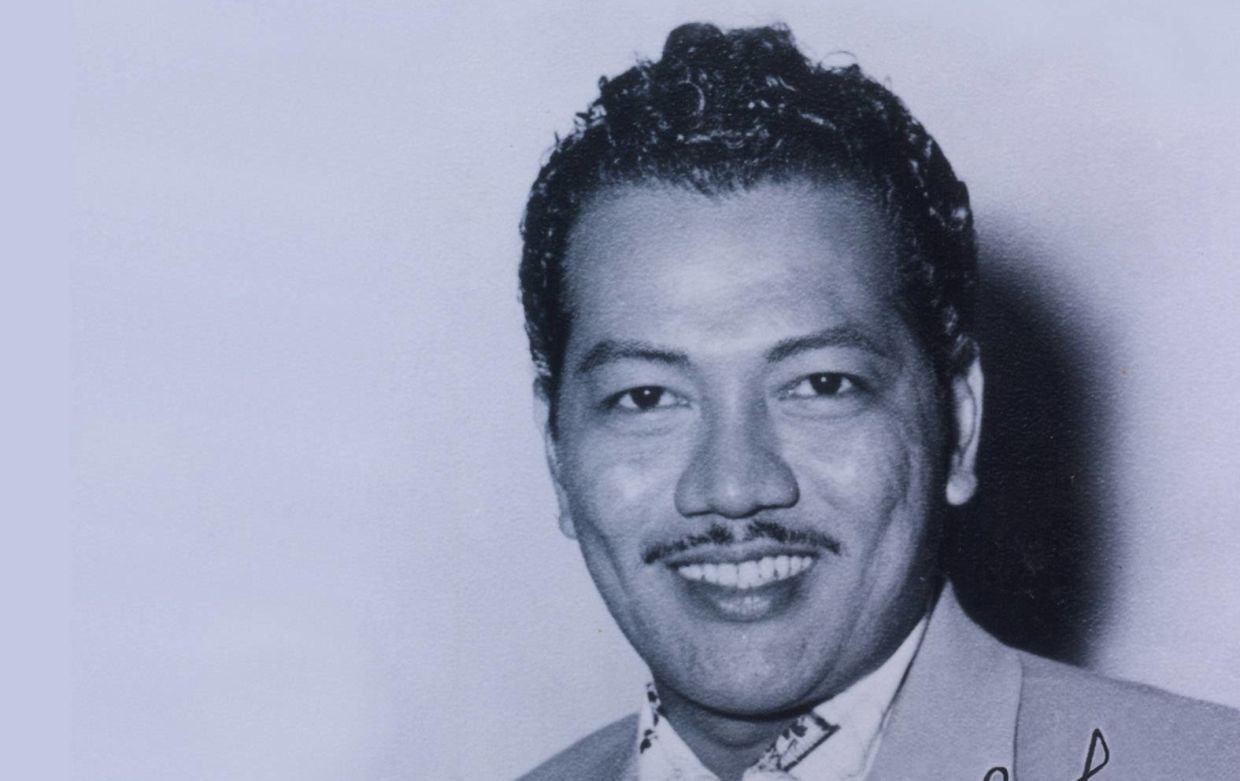
At the heart of this story is not just architecture or business experiments, but the cultural shadow of P. Ramlee, the legendary Malaysian filmmaker, actor, and composer who left behind a legacy so large it even shaped the language we use today.
The Malay word pawagam, now universally used to mean cinema, is widely credited to him. It is a shortened form of Panggung Wayang Gambar, and has been documented as part of his linguistic influence during the golden age of Malay cinema. Even today, it remains one of the most enduring everyday contributions from a figure better known for films, music, and performance than for word invention.
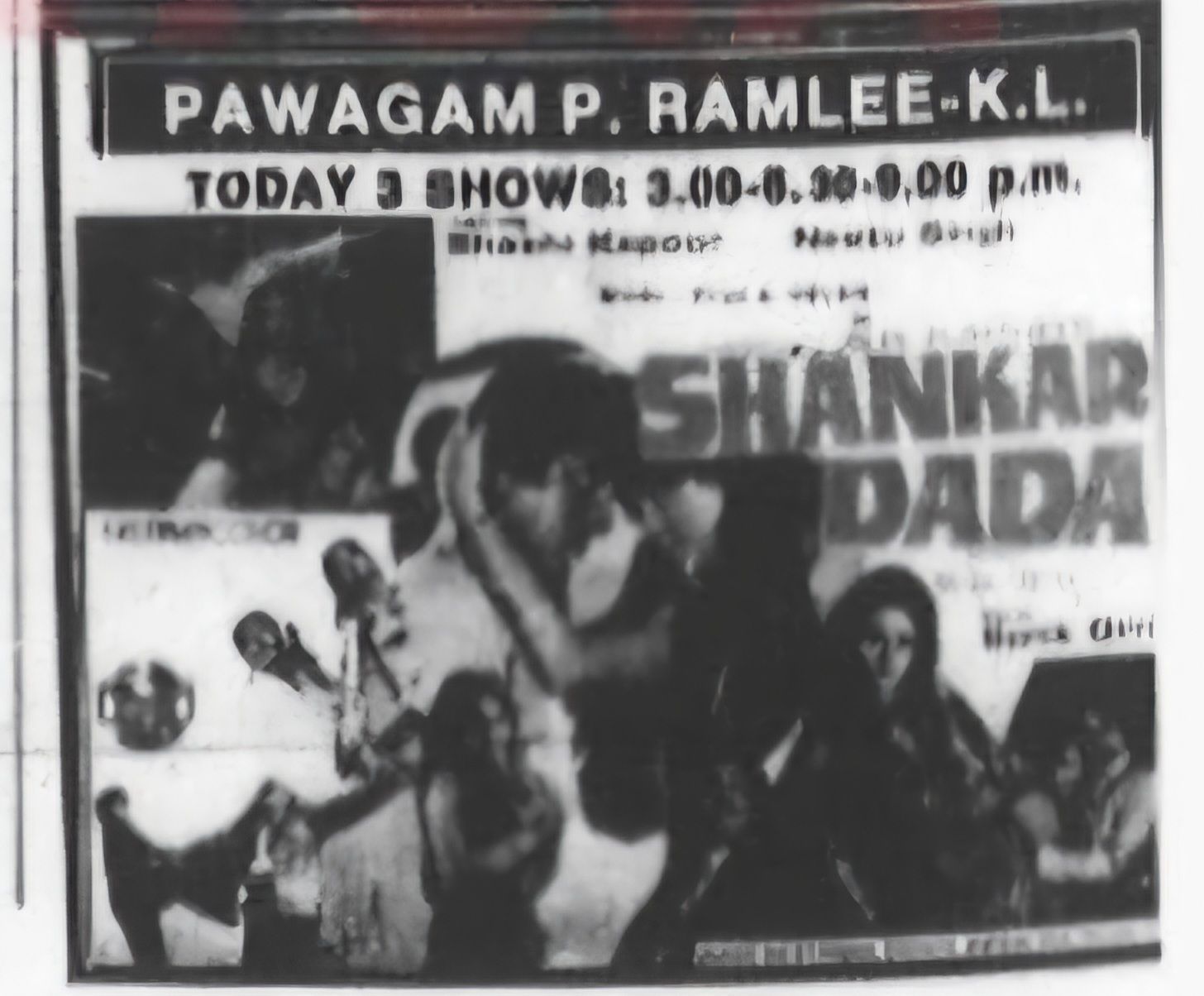
But his name also lives on in physical spaces.
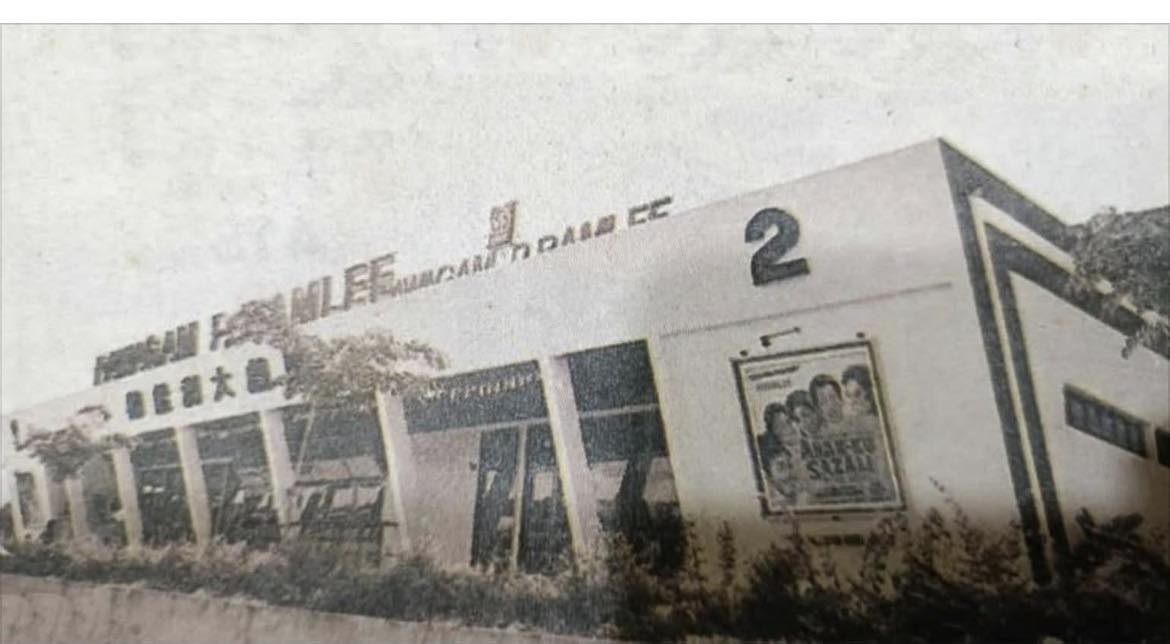
In the early 1980s, as suburban development expanded rapidly in Selangor, cinema operators began testing new audiences outside Kuala Lumpur’s city centre. One of the earliest was the twin cinema complex in Subang Jaya.
Originally launched in 1984 by Cathay Organisation, the venue was named P. Ramlee Twin Cinemas.
It was among the first multi-screen cinema concepts in Malaysia, at a time when most theatres still operated as single halls… though some accounts suggest that the original P. Ramlee cinema was actually located at the car park next to Quill City Mall, reportedly a venture tied closely to P. Ramlee himself and Tan Sri L. Krishnan, before it eventually moved to Subang Jaya.
Either way, this was a big deal for the era. Multiplex culture had not yet fully arrived in Malaysia, and the idea of choosing between two different films in the same building was still new.
However, despite its innovation, the cinema struggled. It reportedly closed within a year due to low audience turnout, a reminder that even forward-thinking ideas sometimes arrive before their time.
Across the highway in Shah Alam, the situation was even more surprising.
Although Shah Alam was developed as a planned “family city” in the 1970s, cinema facilities were not originally included in its early urban blueprint. The city, which was officially developed to serve as the Selangor state capital, focused on administration, housing, and public infrastructure rather than entertainment spaces in its initial phases.
So for many residents in the early days, the nearest cinema options were actually in Subang or Petaling Jaya, making places like P. Ramlee Twin a regional hub by default rather than design.
After its short-lived debut, the cinema was rebranded in 1988 as Subang 1 and Subang 2, marking a shift away from its tribute name into a more neutral commercial identity.
According to historical cinema records, Subang 1 typically screened English and Malay films, while Subang 2 focused more on Chinese-language releases. The venue found a second life showing reruns and second-run films, which made it especially popular with nearby college students and young audiences looking for affordable entertainment rather than premieres.
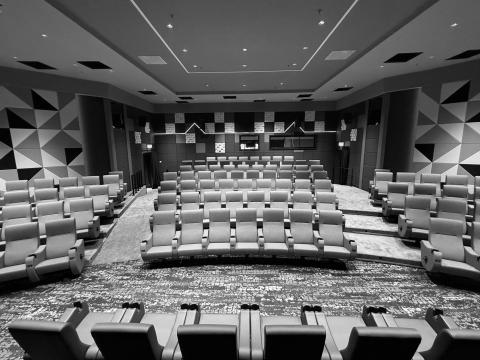
The atmosphere was reportedly simple and unpolished, especially in later years, but it had character. It was not a luxury cinema experience; it was a community one. The cinema eventually closed in the late 1990s after years of decline, as newer multiplexes and mall-based cinemas began dominating the market.
The presence of P. Ramlee in cinema naming was not accidental symbolism. It reflected how deeply he was embedded in Malaysia’s film identity.
His career, which began in the late 1940s and flourished during the golden era of Malay cinema, positioned him as a central creative force in acting, music composition, directing, and songwriting. His influence was so foundational that later generations of filmmakers and institutions often referenced him as a benchmark of national cinema identity.
He also passed away in 1973, just months before one of the most symbolic tributes to him opened: a cinema named in his honour along Jalan Tuanku Abdul Rahman. The timing reinforced how quickly his legacy was institutionalised after his death.
What makes the story of Subang’s early cinemas interesting is not just nostalgia. It reflects a transitional moment in Malaysian urban life:
- Shah Alam was being built as a planned administrative capital
- Subang Jaya was emerging as a new residential township
- Cinema chains were experimenting with suburban audiences
- And multiplex culture was just beginning to take shape
In that brief window, places like P. Ramlee Twin existed at the intersection of ambition and uncertainty, before the industry fully stabilised into the mall-centric model we recognise today.
So while the buildings are gone or renamed, they remain part of a wider cultural timeline: one where cinema wasn’t just entertainment, but also a marker of how fast Malaysian towns were changing.
And somewhere in that timeline sits a name that never really fades, even when the buildings do: the iconic P. Ramlee.
For more cool stuff, click here.
Follow JUICE on Facebook, Instagram, and TikTok.