
 Get Audio+
 Hot FM
 Kool 101
 Eight FM
 Fly FM
 Molek FM
Collective Soul Was Never a One-Hit Wonder—We Just Weren’t Listening
 Thirsty for JUICE content? Quench your cravings on our Facebook, Instagram, TikTok and WhatsApp
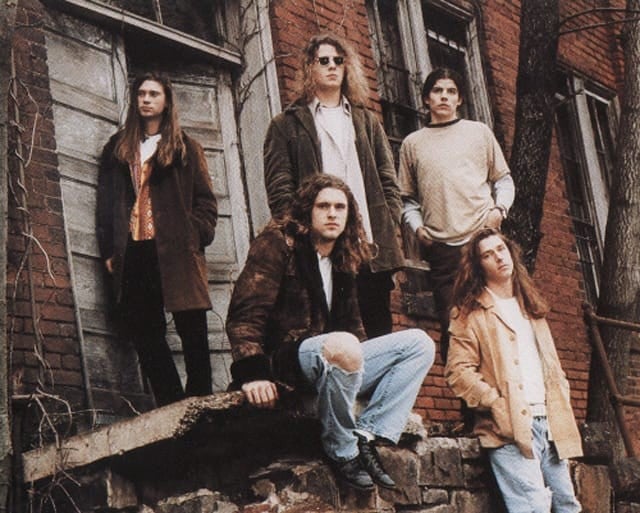
I’m revisiting a ‘90s band that I once dismissed as a one-hit wonder for the longest time. Collective Soul is that band. Either each member of this five-piece band has wildly different favourite genres, or they collectively love a few at once. Whatever the case, the differences come together like butter on toast.
At times they’re drop-D metal, sometimes almost nu metal before nu metal had a name, then psychedelic, pop, and alternative. Occasionally all of it lives in the same song, with string sections casually dropped in like it’s no big deal. Their famous hit, ‘Shine’—the song that unfairly glued the one-hit label onto them—is now enjoying a strange second life on DJ decks, used as a tension-breaker, a palette cleanser, a reminder that not all ‘90s rock was dour and self-serious.
But the real case for Collective Soul begins once you move past ‘Shine’. ‘December’ is brooding without being mopey, driven by a riff that feels simple until you realise how hard it is to forget. ‘The World I Know’ strips things back even further, proving they could do emotional weight without distortion or theatrics.
Then there’s ‘Gel’, which flirts with pop sheen while still sounding slightly off-kilter, like it’s deliberately refusing to settle into a single identity. Even ‘Heavy’, one of their more aggressive tracks, doesn’t lean into machismo. It’s taut, controlled, and oddly disciplined for a song that hits as hard as it does.
Great Music, No Uniform
What Collective Soul lacked wasn’t good songs, but a marketable image. Like their music, the band couldn’t be pigeonholed. If Nirvana was angsty and Green Day in their Dookie era was snotty, then Collective Soul felt more like blue-collar musicians. And blue collar wasn’t very sexy at the time (not in alternative circles which were either artsy-geeky or angsty-aggressive). They didn’t sell rebellion as a costume or angst as an identity. They just showed up, played well, and trusted the songs to do the work.
I also can’t shake the feeling that bands who later broke fully into the mainstream took notes from that approach. You can hear echoes of it in the melodic turn of Goo Goo Dolls, in the arena-sized earnestness of Creed, and even in the emotional directness that Pearl Jam leaned into as the decade wore on. Whether consciously or not, Collective Soul proved that you could be heavy without being hostile, melodic without being soft, and mainstream without completely sanding off your edges.
The band rose to fame at exactly the right moment. If the ‘80s gave us post-punk introspection and genre anxiety, the ‘90s felt like the end of that journey—collecting fragments from previous decades and reshaping them into something looser, less formal, more hybrid. That was the alternative era at its best, and Collective Soul embodied that spirit without ever announcing it.
They weren’t trying to rebel loudly against rock tradition; they simply ignored the rulebook and wrote songs that worked. Maybe that’s why they feel newly relevant now. That same instinct—creation through curation, pulling from everywhere and committing to nothing dogmatically—is alive in Gen Z’s music culture. Collective Soul didn’t invent it, but they practised it early, quietly, and better than most people remember.
More music on JUICE.
More JUICE:
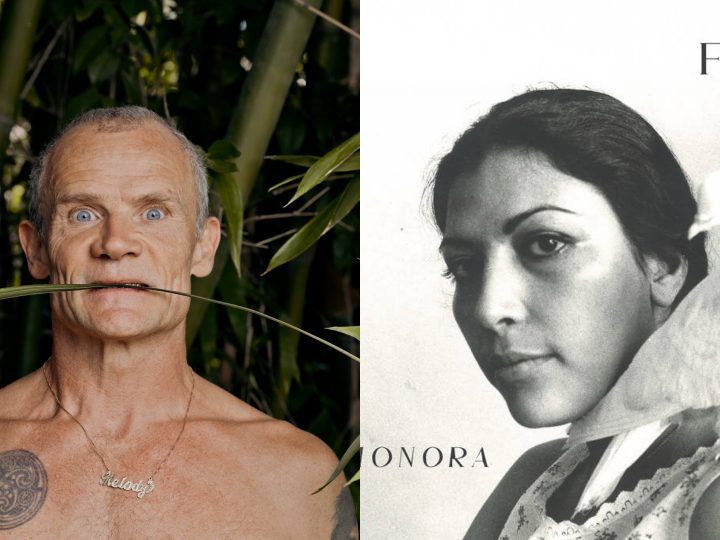
Flea Finally Goes Solo… And It Sounds Nothing Like You’d Expect
After 44 years with RHCP, Flea goes solo on ‘Honora’—a jazz-forward album featuring Thom Yorke, Nick Cave and more.

Fact Or Opinion? We Hated Nickelback More Than They Deserved
We explore the Canadian band’s rise to superstardom and its disgraceful fall to meme-worthy ridicule. Were they genuinely a bad band or did we all fall victim to a herd mentality?