
 Get Audio+
 Hot FM
 Kool 101
 Eight FM
 Fly FM
 Molek FM
When Screens Replace Playgrounds: What We’re Losing in Classrooms
 Thirsty for JUICE content? Quench your cravings on our Facebook, Instagram, TikTok and WhatsApp
As a Gen X kid, computers were never part of my daily school life. There was a computer lab, tucked away, and mostly occupied by the nerds playing computer games. At home, a single family computer and a wheezing dial-up connection were used sparingly, mostly for work, email, and the occasional curious browse. Screens existed, but they didn’t run our lives.
So when our kids come home talking about schoolwork done on tablets, it feels like progress. A leap forward. Something we never had, and perhaps wish we did. But somewhere between swapping worksheets for screens and turning classrooms into mini tech hubs, we may have missed a quieter cost.
Childhood development isn’t just about absorbing information. It’s about learning how to focus without constant prompts, how to talk to other humans, how to read a room, how to get bored and then invent something to do. These are not skills built by tapping icons or staring at glowing rectangles, even when the content is labelled “educational”.
That’s why researchers are increasingly questioning whether computers in classrooms are truly enhancing learning, or subtly undermining it. Studies on screen exposure have found consistent links between heavy digital use and difficulties with attention, language development, and social skills, particularly in younger children. The problem isn’t that screens exist. It’s that they’re quietly replacing the real-world experiences children need to grow, mentally and socially.
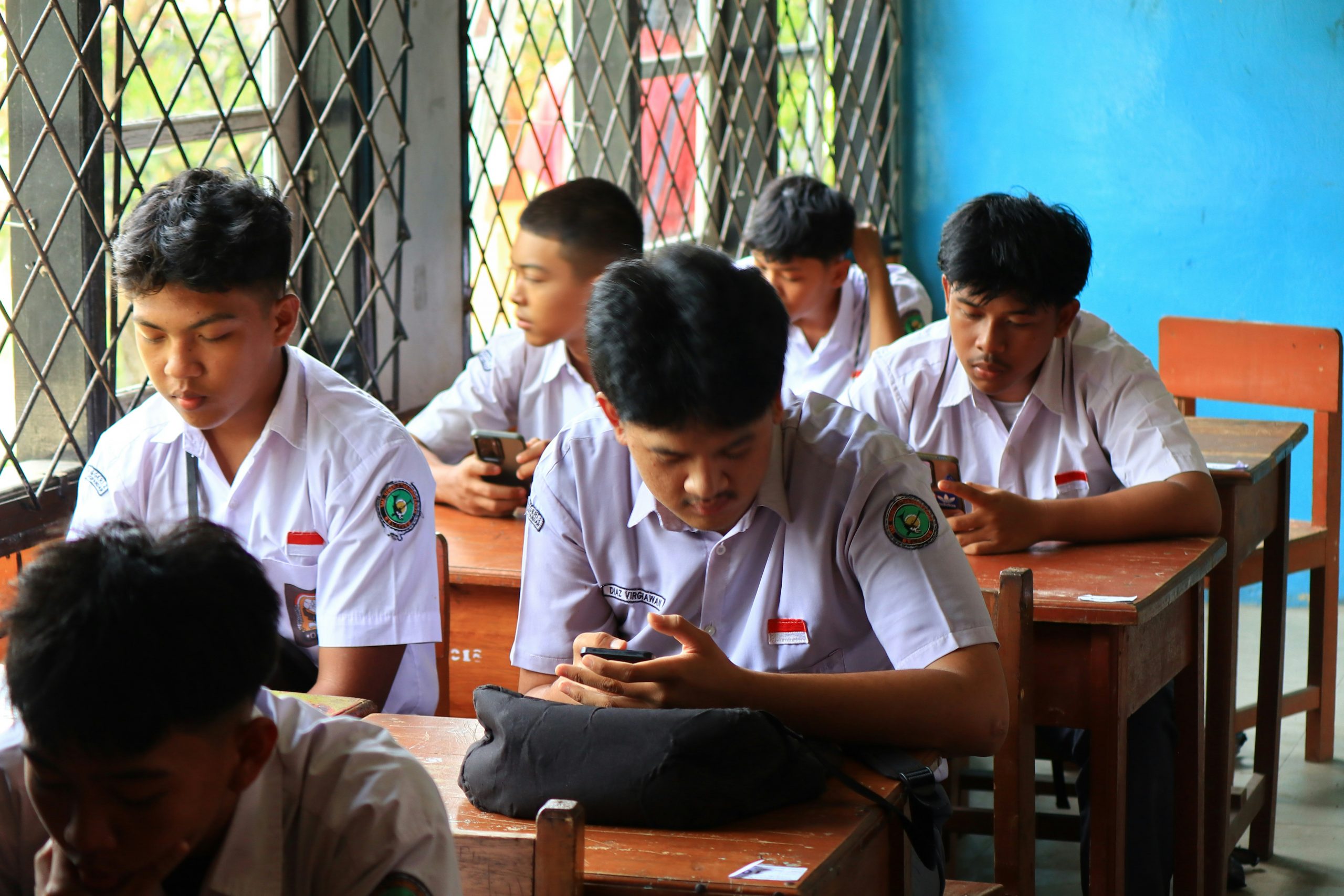
When Efficiency Crowds Out Human Skills
In a traditional classroom or playground, children negotiate rules, read facial expressions, handle frustration, and learn empathy through real interactions. When lessons move to individual screens, those moments shrink. A child might complete a task faster, but they miss the back-and-forth that teaches patience, cooperation, and emotional regulation.
Even so-called interactive learning can still be isolating. A tablet doesn’t notice when a child is confused in the way a teacher does. It doesn’t adapt emotionally. It doesn’t model human behaviour. Over time, the classroom risks becoming quieter, more efficient, and less human.
This concern extends beyond academics. Mental health researchers have linked higher screen exposure to increased anxiety, emotional dysregulation, and reduced well-being in children. When school hours are added to already screen-heavy home lives, children can end up spending most of their waking day in digital environments, with little space left for unstructured play or face-to-face connection.
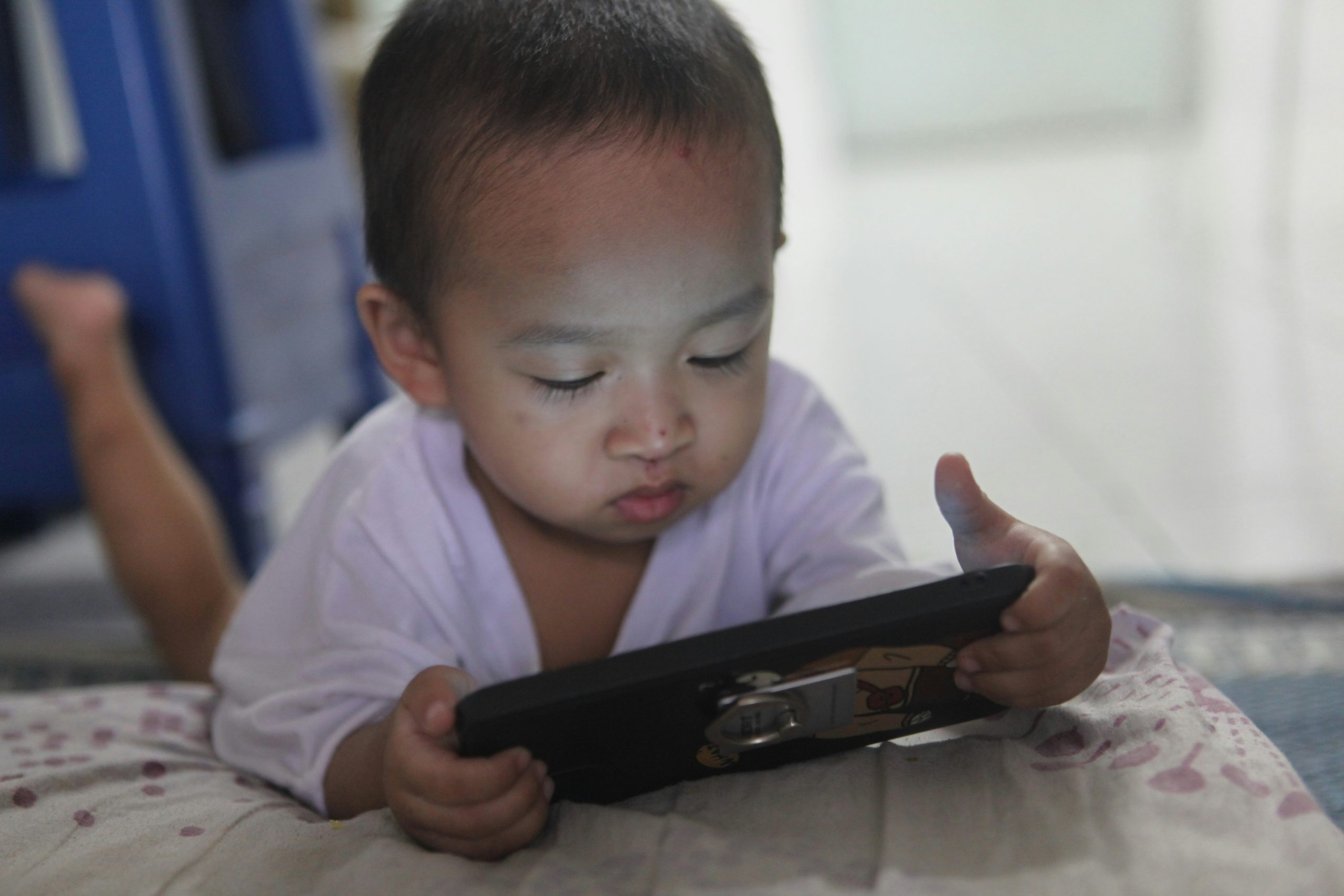
Why Governments Are Starting to Pull the Brakes
Policymakers are beginning to recognise these risks. Australia has announced a ban on social media for children under 16, acknowledging the psychological harm of early digital immersion. Malaysia has followed with plans to restrict social media access for under-16s by 2026. These moves signal a wider shift in thinking: not all exposure is healthy, and not all technology belongs in childhood by default.
None of this means technology has no place in education. Computers can be powerful tools when used deliberately and sparingly. But when screens become the default rather than the supplement, we risk trading deep development for shallow efficiency.
Children don’t just need information. They need friction, conversation, imagination, and time away from screens to become fully human. If classrooms forget that, no amount of digital innovation will bring it back.
For more features, stick with JUICE.

Read more:

The World’s Oldest Cave Art Was Just Discovered in Indonesia
The faint red handprint that researchers discovered dates back at least 67,800 years, more than 15,000 years older than previous cave art found in Sulewesi.

What To Know Ahead Of Thaipusam 2026 At Batu Caves
temple authorities have announced extended operating hours and special arrangements to accommodate the thousands of devotees undertaking vows, carrying milk pots, and performing kavadi.
No Hype, No Hero Trades: Emir Syazwan on What Trading Really Is
Day trading isn’t fast money. This musician-turned-trader explains the reality behind the charts, the losses, and the grind.