Get Audio+
 Hot FM
 Kool 101
 Eight FM
 Fly FM
 Molek FM
No Hype, No Hero Trades: Emir Syazwan on What Trading Really Is
 Thirsty for JUICE content? Quench your cravings on our Facebook, Instagram, TikTok and WhatsApp
If you imagine a day trader glued to screens all day, chasing every market move, Emir Syazwan is not that guy.
Most days, he’s done trading in under 20 minutes.
“People think trading is constant action,” he says. “It’s not. Most of the time, you’re waiting.”
That mindset helped Emir quietly dominate the Affin Hwang Investment Bank Derivatives Trading Challenge in late 2024. Starting with a simulated US$100,000 account, he turned it into US$692,391 in just under a month—a 592 percent return.
No flashy trades. No revenge trading. No last-minute heroics.
Just discipline.
Before trading, there was everything else
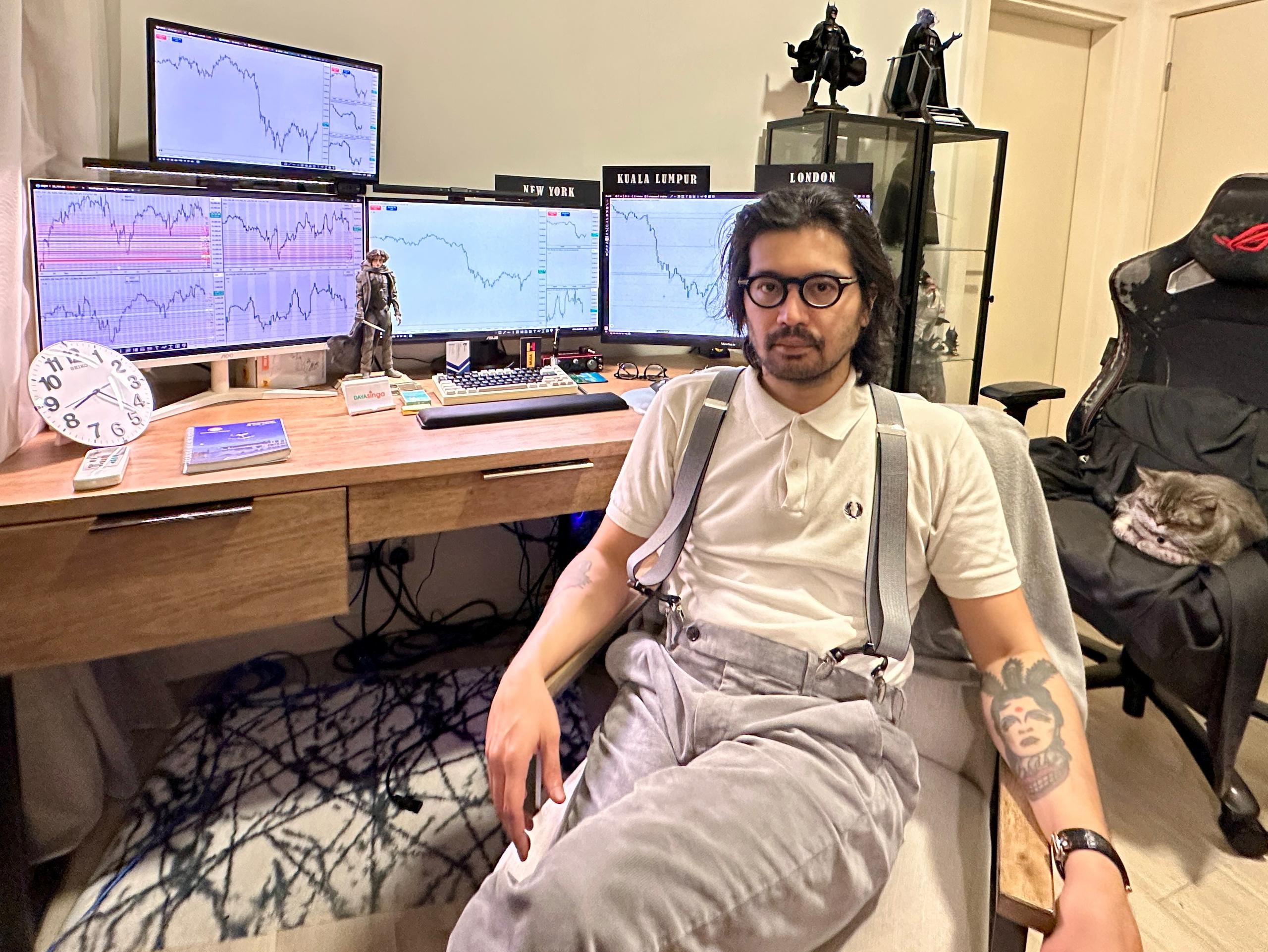
Trading wasn’t Emir’s first career pivot. Before charts and futures contracts, he was a musician with a record deal. Then came law school in the UK, a master’s degree in anthropology, and a senior corporate role in oil and gas and port operations.
By his early thirties, he was negotiating with government bodies and writing documents designed to look “inevitable”.
“It teaches you how power actually works,” he says. “And how slowly systems change.”
That experience also made him sceptical of blind trust—especially when a professionally managed fund wiped out a chunk of his savings in days.
“That was when I stopped believing in delegation as a virtue,” he says. “I can lose my own money. I don’t need help doing that.”
The myth of ‘easy trading’
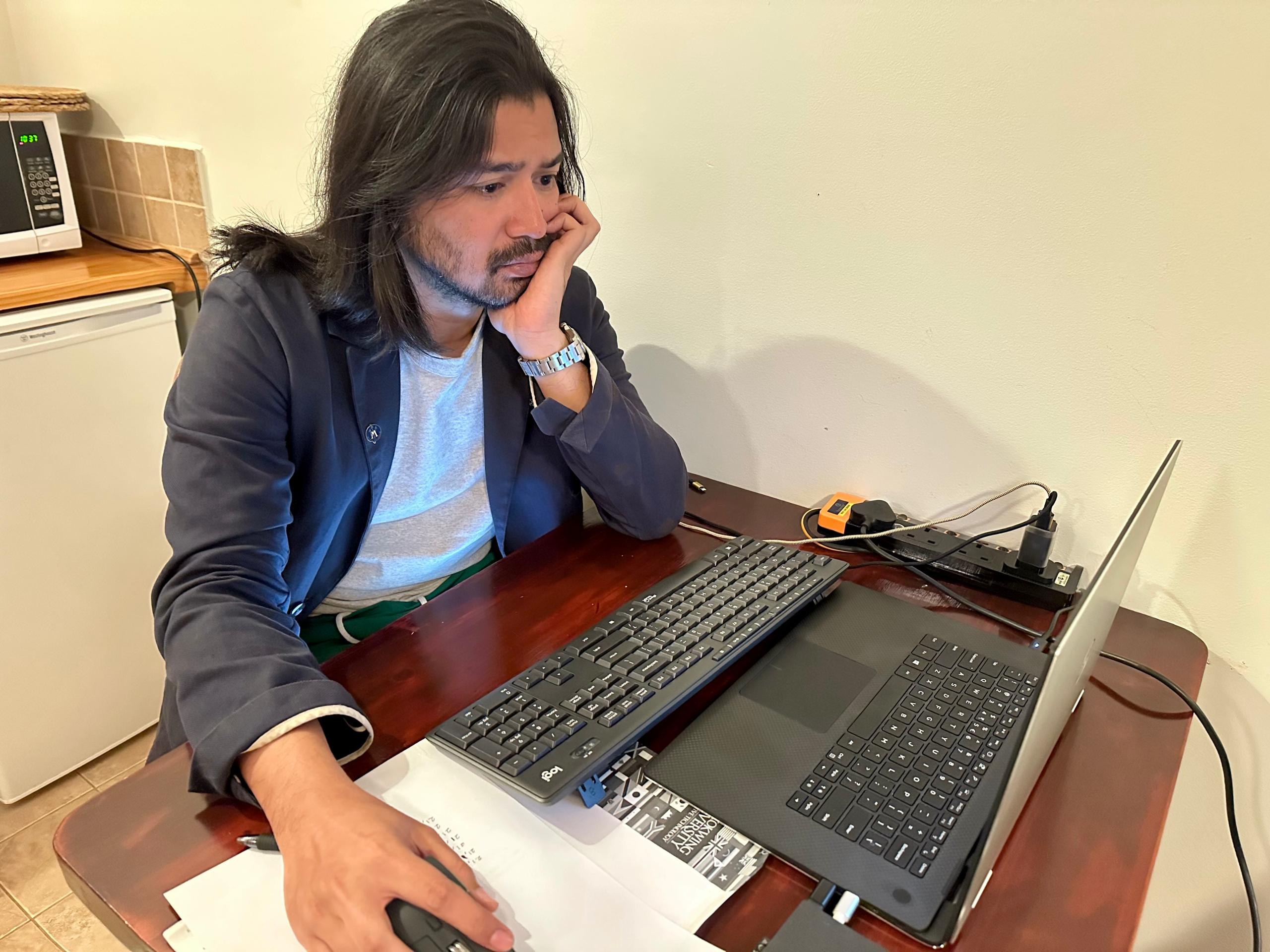
Like many people, Emir started trading seriously during the 2020 lockdowns. He assumed that reading the news and understanding macro events would be enough.
It wasn’t.
“I made small gains, then lost them,” he says. “Just enough to think I was getting better.”
What changed wasn’t intelligence, but humility. He stopped guessing and started building structure: journalling, back-testing, and studying traders instead of headlines.
“Trading isn’t about being clever,” he says. “It’s about not blowing up.”
That lesson hit harder when he moved into futures, where leverage punishes mistakes fast.
“Futures are brutal,” he says. “They show you exactly who you are.”
Trading vs gambling (where the line really is)
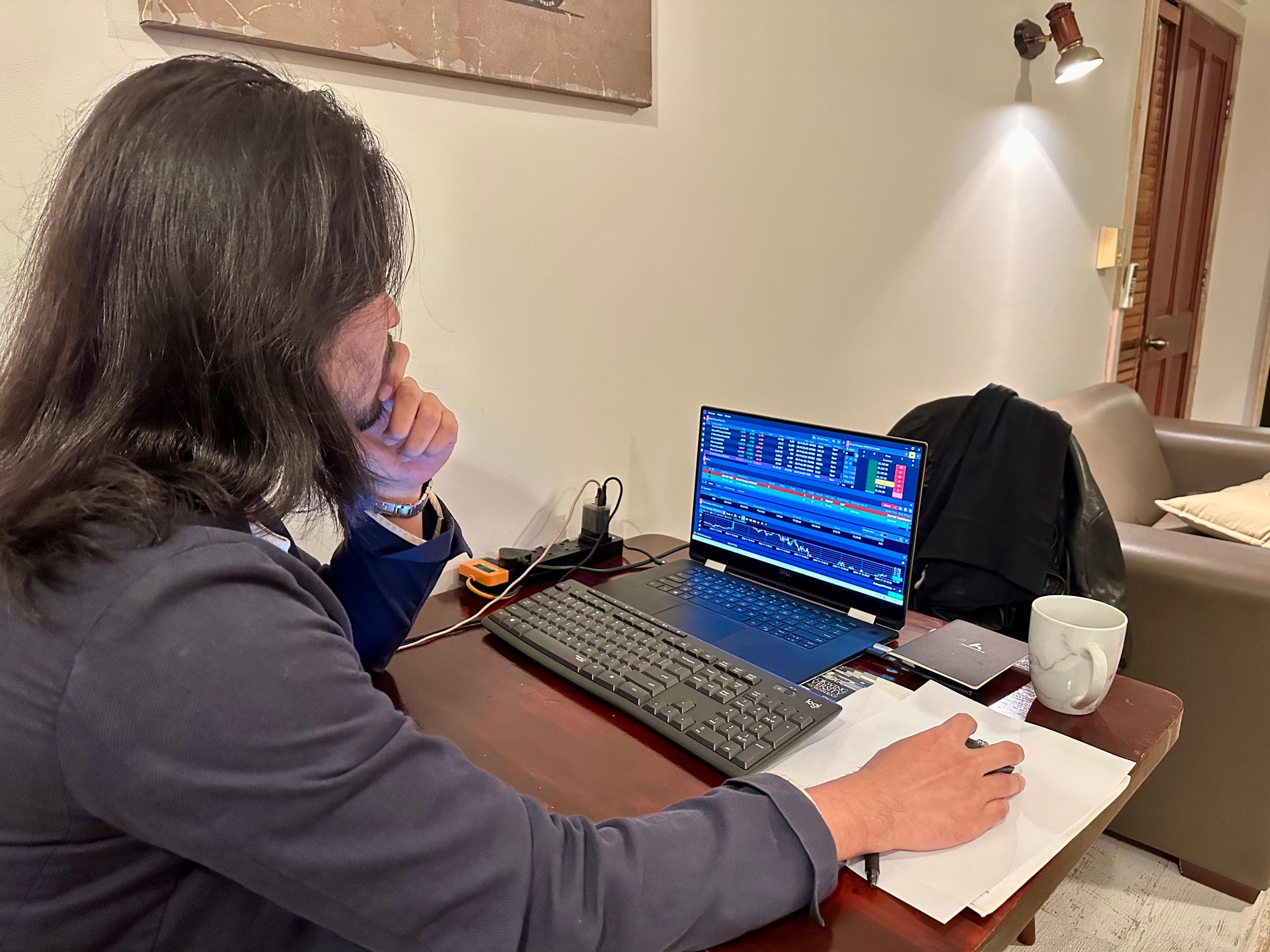
Ask Emir what separates trading from gambling, and his answer is blunt.
“The moment you don’t have rules, you’re gambling.”
He’s seen highly paid professionals trade massive positions casually, shrugging off losses like entertainment.
“They treated it like a sport,” he says. “I couldn’t.”
For Emir, trading has always felt serious, almost personal.
“A gambler asks how much they can make,” he says. “A trader asks how much they can lose.”
That difference showed during the competition. As others ramped up leverage to climb the leaderboard, Emir did the opposite.
“This is where most people self-destruct,” he says. “I reduced risk.”
Winning by not chasing

Midway through the challenge, Emir went on holiday. He traded lightly, sometimes not at all. When technical issues hit, he closed positions early instead of forcing trades.
People watching were confused. This was a competition. Aggression was supposed to win.
But by the final week, the most aggressive trader had been eliminated.
“For the last stretch, I traded one contract at a time,” Emir says. “Survival mattered more than growth.”
When the leaderboard refreshed on the final day, he was still on top.
How much money do you really need to start trading?
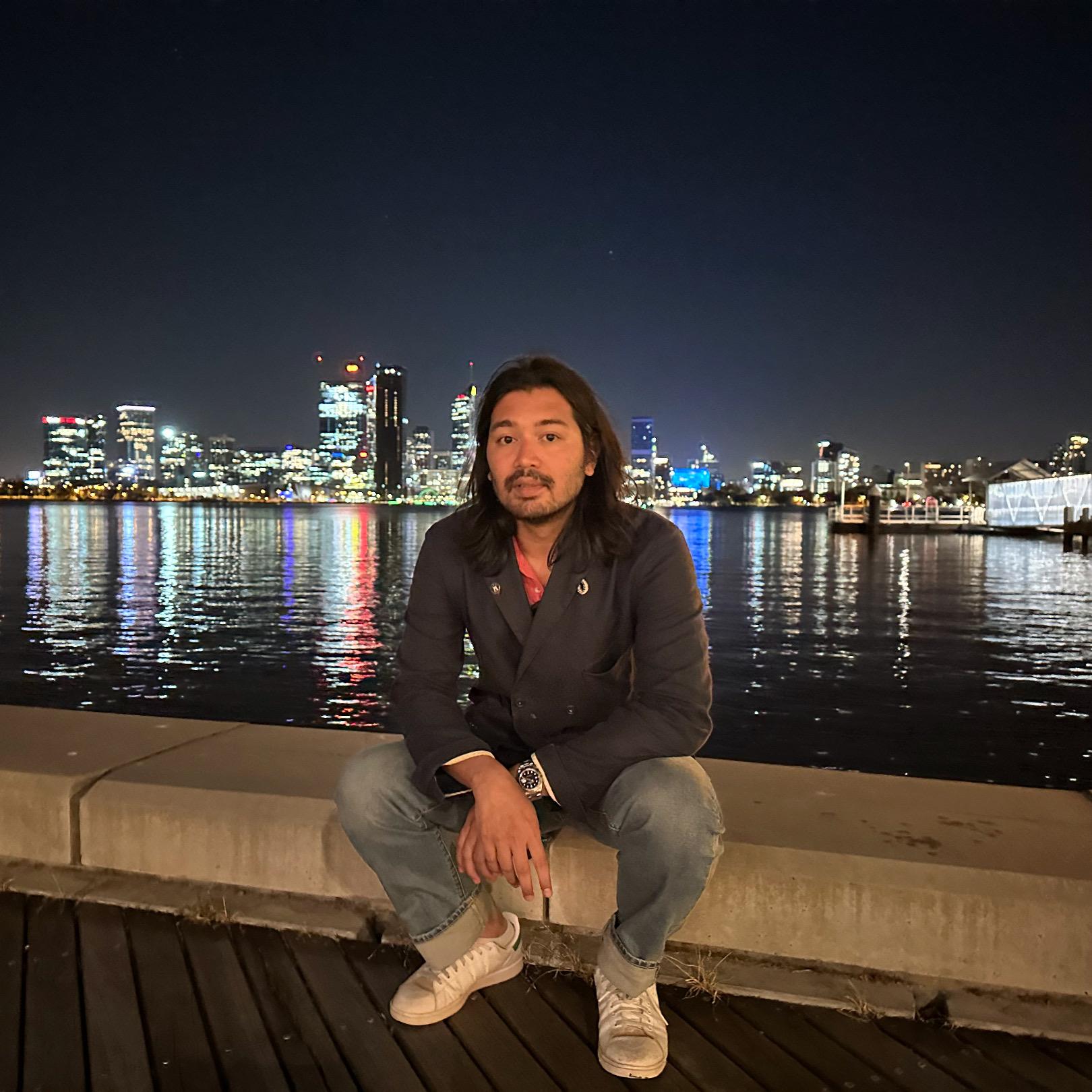
When people ask Emir how much capital they need to start trading, he pushes back.
“The real cost isn’t money,” he says. “It’s time.”
Time spent watching markets. Time spent making mistakes. Time spent not trading at all.
He tells beginners not to trade for at least a year. Three years, ideally.
“People rush results before they understand the process,” he says.
The cost of financial freedom
Today, Emir has stepped back from full-time trading to build Ninefold Trading Company, focusing on teaching risk literacy and structured decision-making.
He never planned to teach.
“But I realised ability comes with responsibility,” he says.
Despite the attention and invitations that followed his competition run, he remains cautious.
“All that glitters isn’t gold,” he says.
What trading gave him wasn’t overnight success or social media clout. It was autonomy.
“Trading didn’t give me freedom,” Emir says. “Consistency did.”
And in a space crowded with hype, that might be the most valuable takeaway of all.
For more features, stick with JUICE.