
 Get Audio+
 Hot FM
 Kool 101
 Eight FM
 Fly FM
 Molek FM
The Egg Principle: What 1950s Cake Mixes Can Teach Us About AI & Human Nature
 Thirsty for JUICE content? Quench your cravings on our Facebook, Instagram, TikTok and WhatsApp
A Post-War Kitchen and a Case of Unexpected Guilt
In post-war America, the kitchen was both sanctuary and stage. The 1950s sold the ideal of the perfect homemaker: cheerful, efficient, and wholly devoted to domestic arts. In that world, baking was not simply another task on a long list of chores. It was an expression of care, competence, and for many women who had few avenues for public life, one of the rare ways they could assert identity and pride. A cake carried more than flavour; it carried meaning.
So when Betty Crocker launched an instant cake mix that needed only water, something strange happened: people didn’t trust it.
A cake that required no effort felt like cheating. More importantly, it felt like someone else had made it.
An Egg-cellent Solution
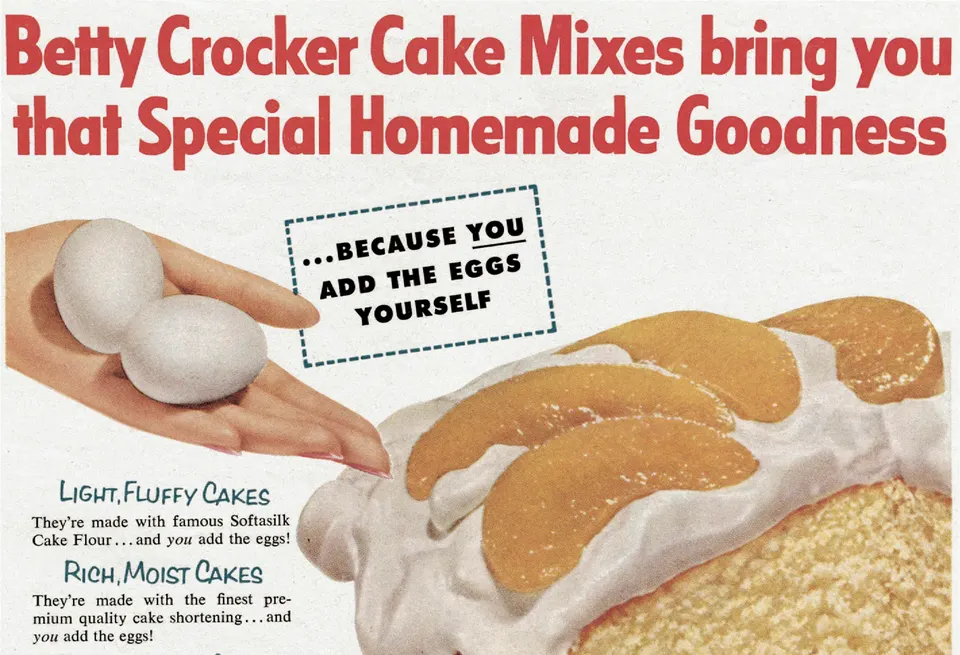
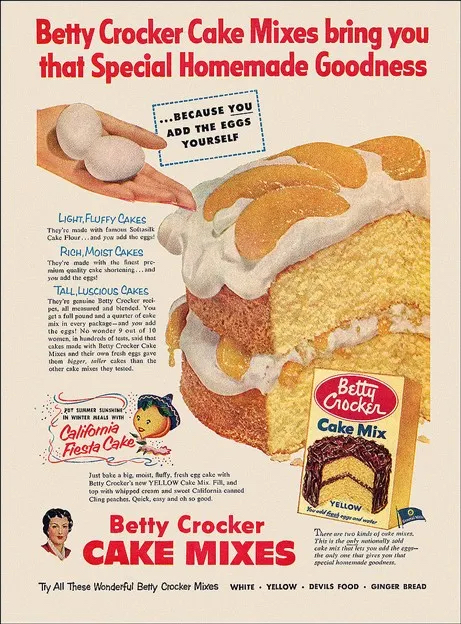
General Mills, the company behind Betty Crocker, eventually figured it out. They removed the powdered eggs in the mix and made homemakers add a pair of fresh ones. That one small action changed everything.
Real eggs improved flavour, sure. But the bigger shift was psychological. Cracking eggs made people feel involved again. It brought back a sense of “I made this”—even if the box did most of the work.
Some cultural critics even argue the egg carried deeper symbolism: femininity, creation, fertility, agency. Whether or not you buy that, the outcome was clear. Sales rose (though it took several years). The mix felt like “yours” again.
To be clear, General Mills didn’t come up with the “add eggs” idea—other brands were already doing it. What they did crack was the real reason their mix flopped. They thought homemakers wanted zero-effort for everything. True for household drudgery, but not for baking. Baking was personal.
We Love Things We Help Make
The cake-mix story became a classic case study because it hits on a universal truth: people value things more when they’ve put something of themselves into it.
Researchers later named this the “IKEA effect.” Build a wobbly shelf, and you’ll still love it more than a perfect store-bought one. Assemble your own snack, customise your shoes, choose your own ingredients in a meal kit—all these tiny acts of participation make the final result feel more personal.
We want to leave a fingerprint, even small ones.
AI Is the New Cake Mix
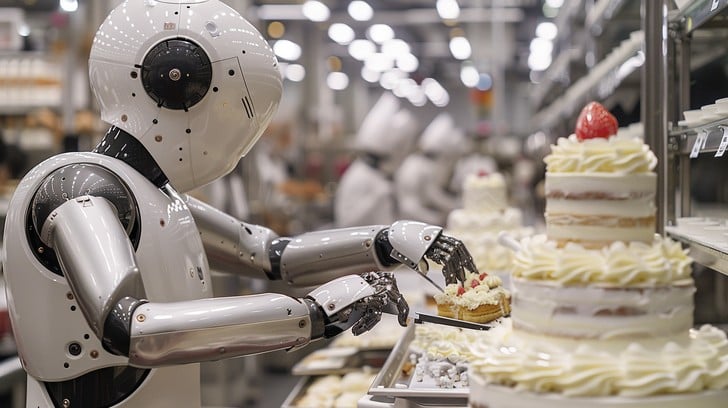
Fast-forward to today. AI tools can write essays, create images, and draft ideas in seconds. It’s the 2025 version of “just add water.”
But the output often feels a bit… meh. Technically correct, emotionally empty. That’s because, like the original cake mix, the process doesn’t require anything from us.
Ask AI for the whole cake, and you’ll get something edible but forgettable.
Add Your Egg, Get a Better Cake
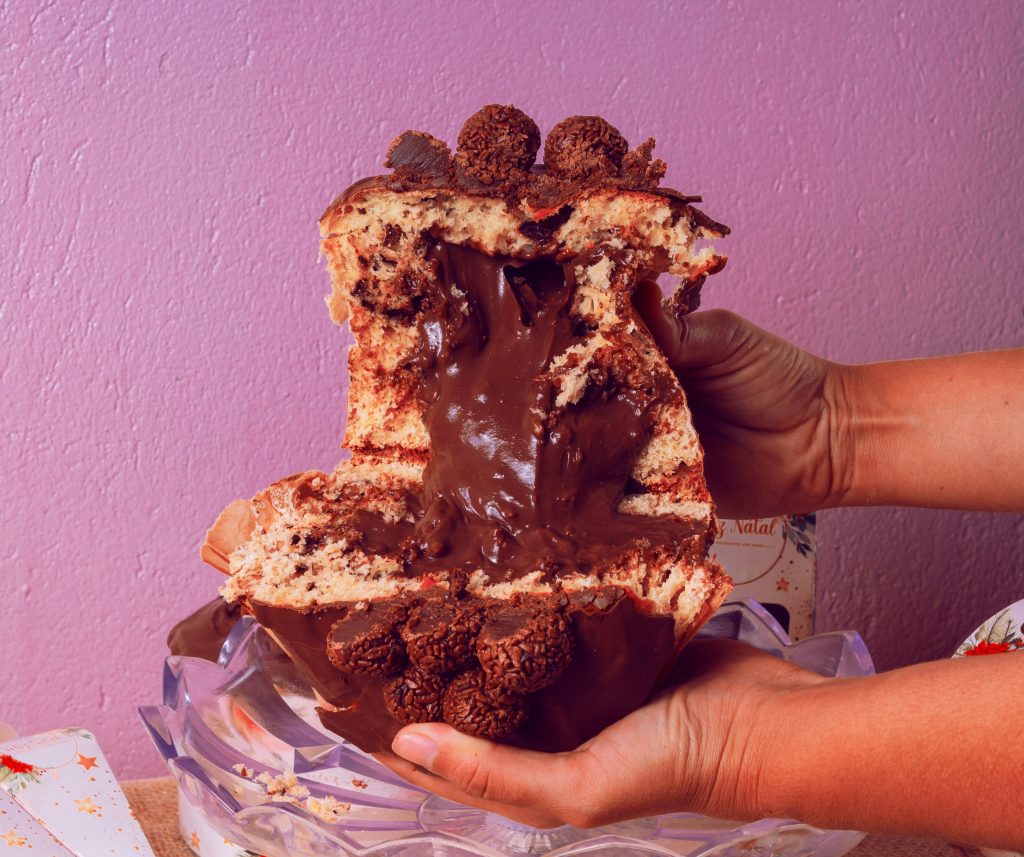
Here’s the twist: research shows AI works best when humans take the lead. When you give a detailed prompt, tweak outputs, push ideas, or add your own style, the results are often richer and more authentic. And that’s what people want, more of you being you.
When AI does everything and you just click “accept,” your connection to the work disappears. No egg, no ownership.
The Egg Principle isn’t really about baking. It’s about human nature. We like tools that help us, not ones that erase us.
AI will keep getting faster and smarter, but the meaning comes from what we add: the emotion, the taste, the perspective, the chaos, the personality.
If the 1950s taught us anything, it’s this: convenience is great, but the cake tastes different when we crack the egg ourselves.
For more features, stick with JUICE.
Read more:

Sigh, ‘Rage Bait’ Is Officially the 2025 Word of the Year
Rage bait refers to online content that’s designed to deliberately piss people off. It’s not supposed to provoke any kind of curiosity or joy.

10 Years of Wonder: Why 2025 Is the Best Year to Experience Wonderfruit for the 1st Time
Wonderfruit celebrates its 10th year this December with art, music, and sustainability in full bloom. If you’ve never been, now’s the time.
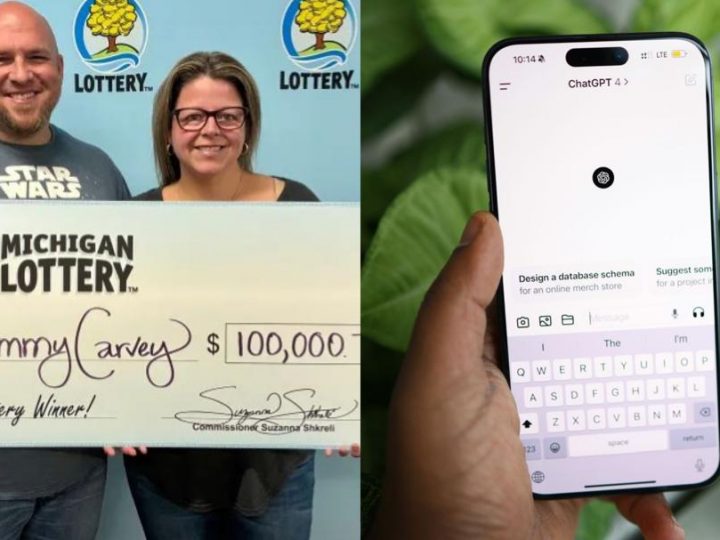
Can You Really Predict The Lottery With A.I.?
Can A.I. really predict the lottery? We explore how algorithms, bias, and a bit of “Ong” mix math, luck, and superstition in the game of chance.