
 Get Audio+
 Hot FM
 Kool 101
 Eight FM
 Fly FM
 Molek FM
Here’s Why You Shouldn’t Share The “Final Note” Of The BU School Murder Suspect
 Thirsty for JUICE content? Quench your cravings on our Facebook, Instagram, TikTok and WhatsApp
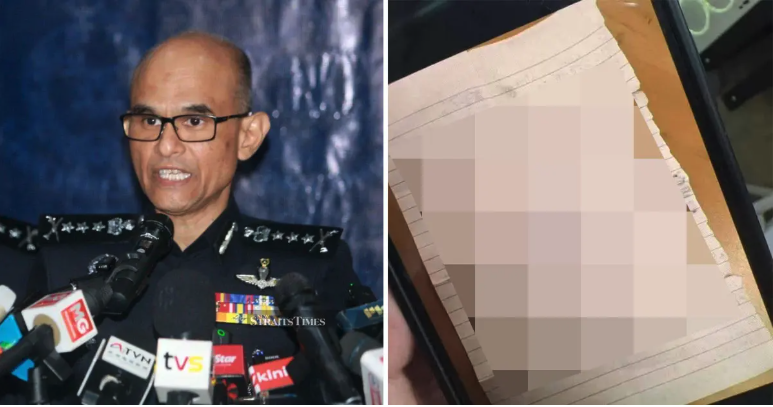
Police confirmed that the handwritten letter was seized during the suspect’s arrest—not at the crime scene—and is now being analysed by investigators. Selangor police chief Datuk Shazeli Kahar told reporters that early findings suggest the suspect had “intentions to kill,” based on the nature of the stab wounds.
That should’ve been the headline. But somehow, the note leaked and parts of it have begun circulating online, shared and reshared by people horrified, curious, or simply chasing engagement.
Here’s the uncomfortable truth: that’s exactly what the suspect wanted.

When Attention Becomes a Reward
The two-page letter, written mostly in Mandarin with bits of English, name-drops several infamous US school shootings from the past two decades. Each one a massacre. Each one a tragedy. And each one carried out by someone who also wanted to be remembered.
There’s a twisted logic here, a kind of fame-hunger that festers in the darker corners of the internet. When people share or discuss these “manifestos,” they’re not just spreading information. They’re feeding a fantasy—the delusion that violence equals attention, that death buys a name in headlines.
When such messages are shared online, they don’t just inform—they amplify. Criminologists and media ethicists warn that circulating manifestos or “final notes” risks turning murderers into anti-heroes.
And it works. Every repost, every screenshot, every reaction keeps that fantasy alive for the next lonely, angry person scrolling in silence.
The Copycat Effect Is Real… And Deadly
Studies from the US and Europe have long established what’s known as the “copycat effect.” The more attention given to a violent offender—their face, their writings, their motivations—the higher the chance that another individual will emulate them.
It’s why many international newsrooms now follow a “No Notoriety” policy: focus on the victims, not the perpetrators. Avoid publishing names, faces, or manifestos that might glorify the crime. The aim is to deny killers the spotlight they seek and keep the public’s attention where it belongs—on justice, prevention, and healing.
Don’t Feed The Algorithm
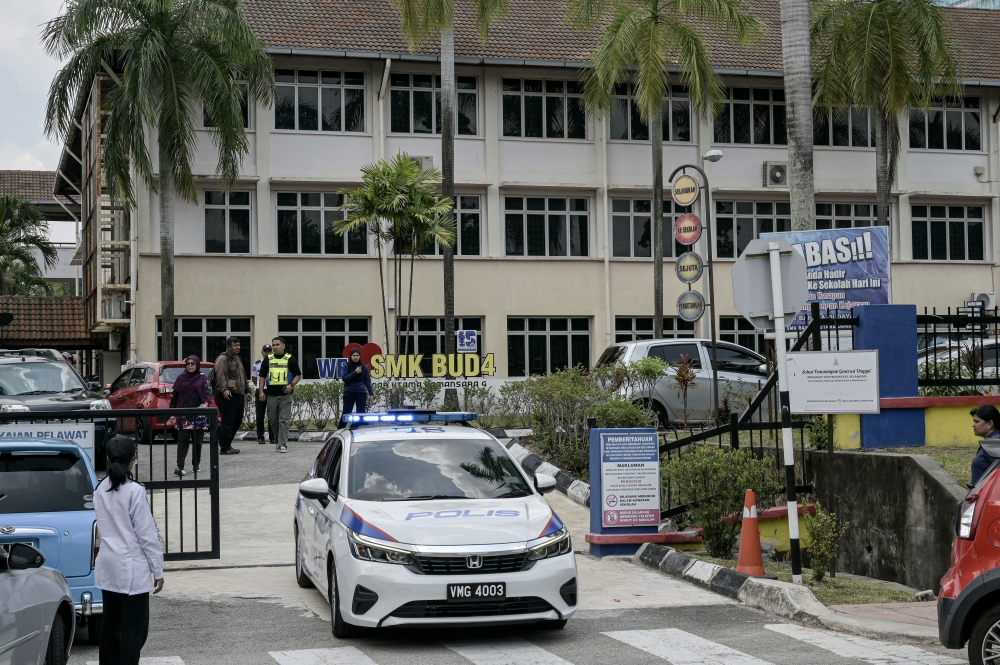
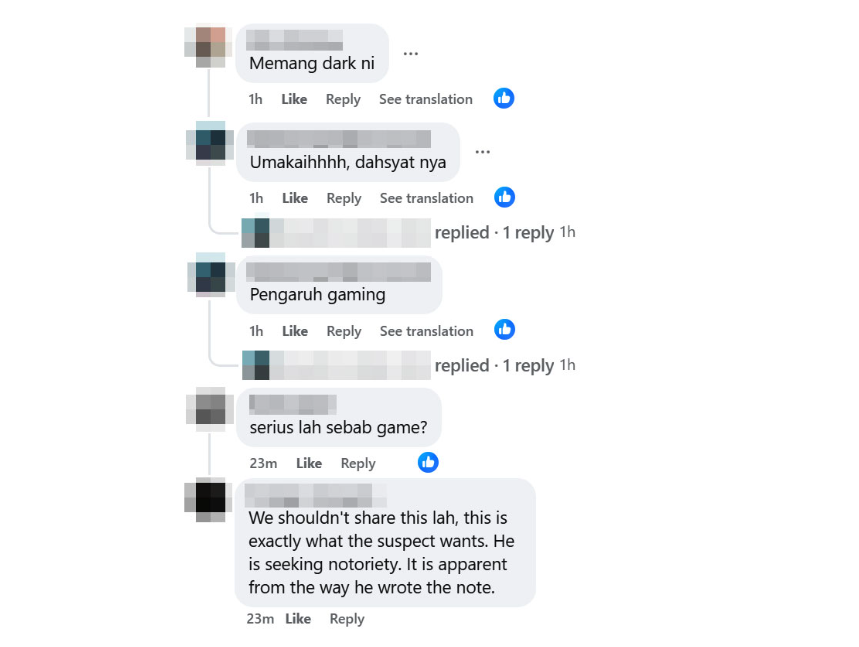
In Malaysia, this case has already triggered widespread emotional responses online. Every repost and reaction translates into algorithmic fuel—pushing the suspect’s message further while retraumatising the community.
If you really want to honour the victim and help prevent future violence, don’t share the note. Don’t translate it, don’t speculate, and don’t turn it into content. Report suspicious content, and let the police handle the investigation.
Some things deserve to stay offline, especially when sharing them only helps to spread hate.
The views and opinions expressed in this article are those of the author and do not necessarily reflect the official policy or position of JUICE.
Read more:

Who Was Daniel Lee, The Man Found Dead In A Suitcase In Penang?
Police uncovered a new lead following the discovery of a Toyota Vios, believed to have been driven by Boon Han, about 450 metres from his remains.
Man Who Allegedly Killed Wife & Kids Claims He Was “Scolded By One Piece”
An Indonesian man accused of killing his family claimed One Piece “scolded” him—shocking fans in a time when the anime’s flag has become a symbol of protest.
Remembering The Cryptic Death Of Nora Quoirin, Whose Undressed Corpse Was Found In A M’sian Forest
We wish justice upon Nora’s family.